Differential Effects of Aerobic, Resistance, and Combined Exercise on Skeletal Muscle Function in High-Fat Diet–Induced Obese Mice: Integration of Gut Microbiota and Metabolomics - Scorecard - MDSpire
Conexiant’s news site is now MDSpire News. Learn more
Advertisement
Comparative Impact of Aerobic, Resistance, and Combined Exercise on Skeletal Muscle Performance in Obese Mice Induced by High-Fat Diet: A Focus on Gut Microbiota and Metabolomic Changes
Clinical Scorecard: Comparative Impact of Aerobic, Resistance, and Combined Exercise on Skeletal Muscle Performance in Obese Mice Induced by High-Fat Diet: A Focus on Gut Microbiota and Metabolomic Changes
At a Glance
Category
Detail
Condition
Key Mechanisms
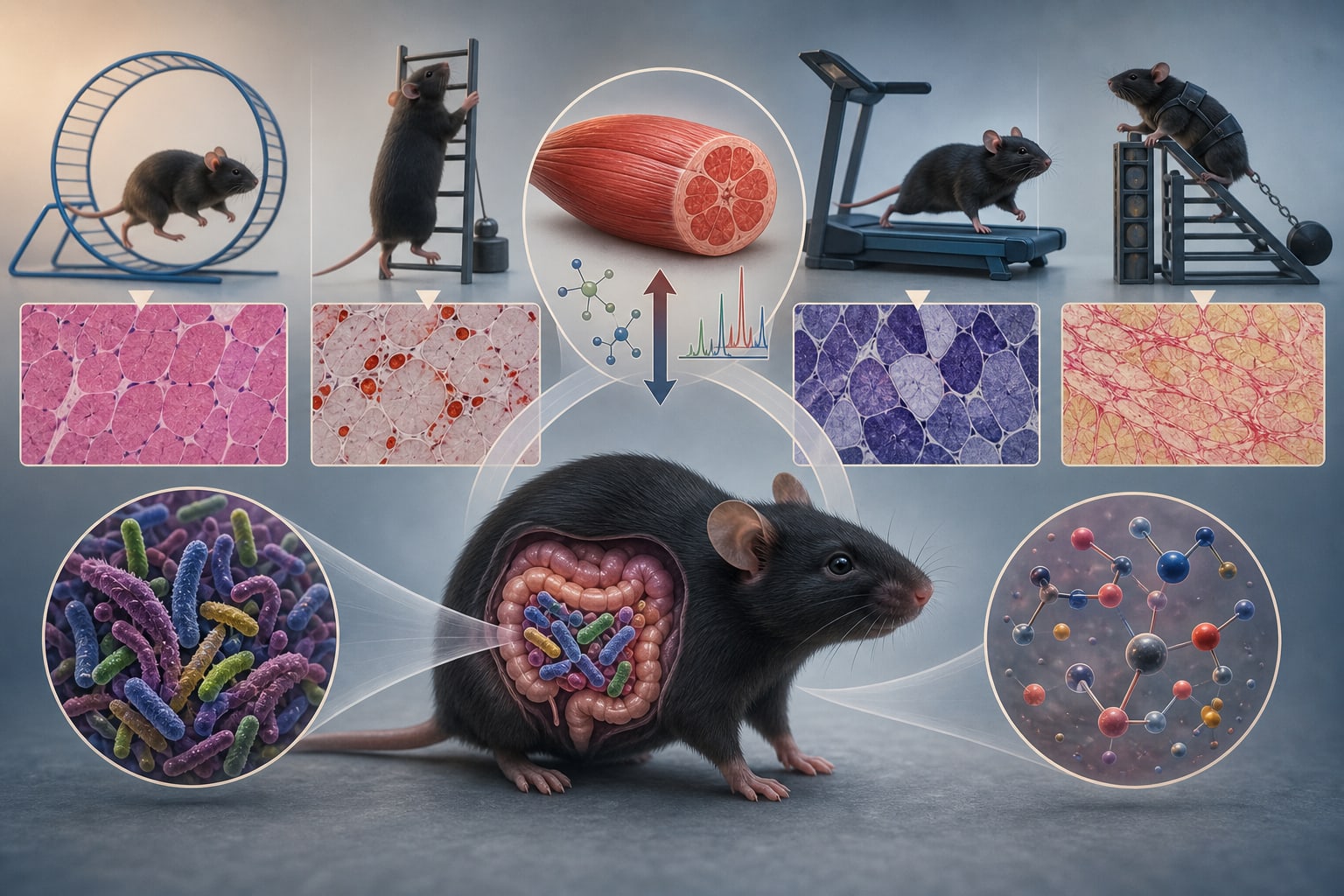
Modality-specific changes in gut microbiota composition and serum metabolic profiles observed in the study.
Target Population
Care Setting
Key Highlights
All exercise groups improved treadmill endurance and grip strength compared to the high-fat diet group, as reported in the study.
Combined exercise (HFAR) showed the most pronounced effects on muscle fiber morphology and mtDNA content, according to the findings.
Exercise interventions shifted gut microbiota composition toward that of the control group, as demonstrated in the results.
Distinct metabolic profiles were identified across exercise modalities in the study.
Correlation between specific bacterial genera and differential metabolites was significant, as reported.
Guideline-Based Recommendations
Diagnosis
Management
Monitoring & Follow-up
Risks
Patient & Prescribing Data
Aerobic, resistance, and combined exercise modalities were shown to differentially impact skeletal muscle function and gut microbiota in the study.