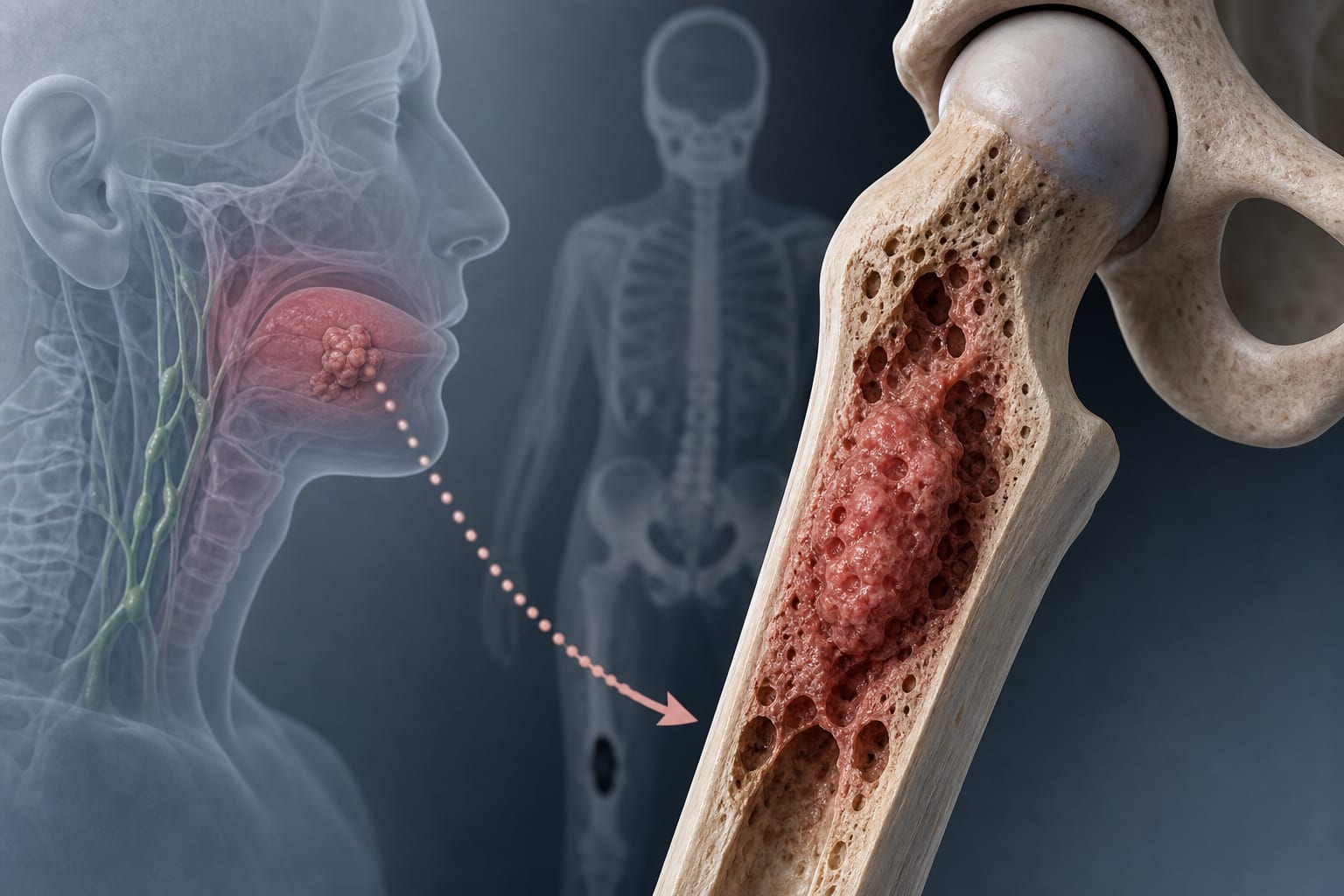
Prognostic significance of inflammation-based markers in nasopharyngeal carcinoma: a systematic review and meta-analysis
-
By
-
Yajun Wang
-
Leyu Zhang
-
Qianyu Liu
-
Yi Wu
-
July 7, 2026
-
Clinical Scorecard: Evaluating the Prognostic Value of Inflammation-Related Markers in Nasopharyngeal Carcinoma: A Systematic Review and Meta-Analysis
At a Glance
| Category | Detail |
|---|
| Condition | Nasopharyngeal carcinoma (NPC) |
| Key Mechanisms | Inflammation-based indices as prognostic indicators |
| Target Population | Patients with histologically verified nasopharyngeal carcinoma |
| Care Setting | Oncology clinical practice |
Key Highlights
- Elevated inflammation-based markers are associated with poor prognosis in NPC.
- Pooled hazard ratios for overall survival (OS) and progression-free survival (PFS) were 1.86 and 1.74, respectively.
- Systemic immune-inflammation index (SII) and systemic inflammation response index (SIRI) showed the strongest associations with poor outcomes.
Guideline-Based Recommendations
Diagnosis
- Utilize systemic inflammation-based biomarkers alongside conventional TNM staging.
Management
- Consider integrating inflammation-based indices into treatment decision-making.
Monitoring & Follow-up
- Monitor inflammation-based markers to assess prognosis and treatment response.
Risks
- Higher levels of inflammation-based markers correlate with increased risk of poor outcomes.
Patient & Prescribing Data
Patients diagnosed with nasopharyngeal carcinoma
Inflammation-based biomarkers are inexpensive and minimally invasive.
Clinical Best Practices
- Incorporate systemic inflammation-based biomarkers into prognostic evaluations.
- Conduct further prospective studies to validate findings and standardize biomarker thresholds.
Related Resources & Content