4,4′-DMAR in-vivo acute cardiotoxicity: differences between (±)cis-4,4′-DMAR and its coadministration with the (±)trans-4,4′-DMAR isomer - Scorecard - MDSpire
Clinical Scorecard: Acute Cardiotoxic Effects of 4,4′-DMAR in Vivo: Comparative Analysis of (±)cis-4,4′-DMAR and Its Co-Administration with (±)trans-4,4′-DMAR Isomer
At a Glance
Category
Detail
Condition
Cardiotoxicity and systemic effects due to 4,4′-DMAR
Key Mechanisms
Target Population
Care Setting
Key Highlights
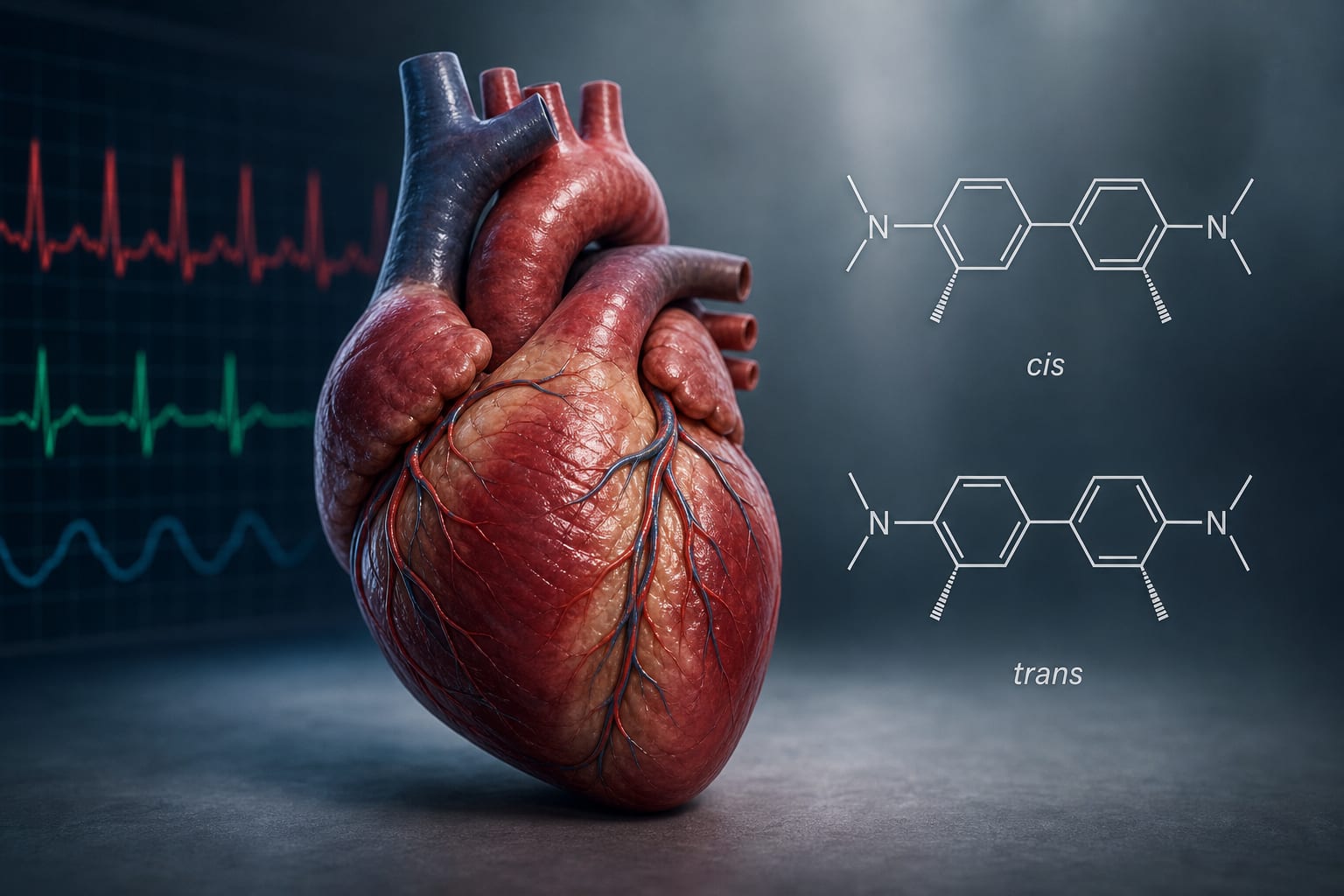
4,4′-DMAR induces severe cardiorespiratory toxicity.
Tachycardia and increased QT interval observed with higher doses.
Coadministration of (±)cis-4,4′-DMAR and (±)trans-4,4′-DMAR exacerbates toxic effects.
Significant alterations in inflammation and oxidative stress markers in cardiomyocytes.
Limited clinical investigations on cardiorespiratory toxicity of 4,4′-DMAR.
Need for further research on long-term effects of 4,4'-DMAR.
Guideline-Based Recommendations
Diagnosis
Management
Provide supportive care for tachycardia and respiratory impairments.
Consider advanced interventions for suspected overdose cases.
Monitoring & Follow-up
Risks
Patient & Prescribing Data
Caution advised with dosing and coadministration of stereoisomers; monitor for adverse interactions.
Clinical Best Practices
Assess for signs of intoxication in patients presenting with tachycardia and respiratory distress.
Educate patients on the risks associated with synthetic stimulants.
Implement follow-up care strategies for patients post-intoxication.