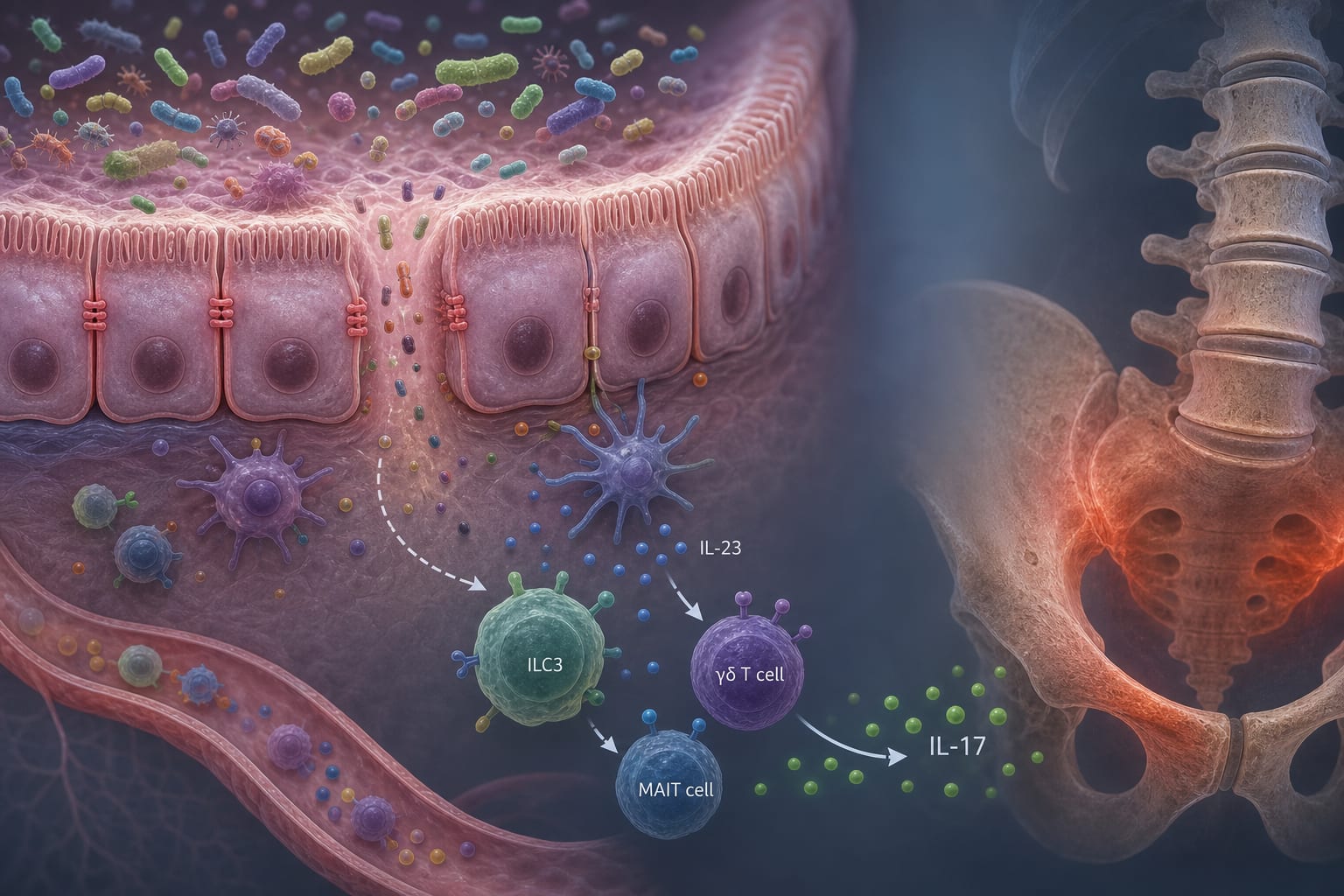
Mechanistic insights into how gut homeostasis and immune-system crosstalk shape ankylosing spondylitis
By
Jiawen Li
Xingwen Xie
June 8, 2026
Clinical Scorecard: Understanding the Mechanisms of Gut Homeostasis and Immune Interactions in Ankylosing Spondylitis Development
At a Glance
Category Detail
Condition Key Mechanisms Gut dysbiosis, intestinal permeability, IL-23/IL-17 signaling pathway Target Population Care Setting
Key Highlights
AS is a chronic immune-mediated inflammatory disease affecting the axial skeleton. Dysbiosis in AS is characterized by reduced microbial diversity and compositional alterations. The IL-23/IL-17 axis is implicated in AS pathogenesis. Microbial metabolites may regulate epithelial integrity and immune homeostasis. Guideline-Based Recommendations
Diagnosis
Consider genetic predisposition factors and environmental influences. Management
Explore cytokine-targeted therapies. Monitoring & Follow-up
Assess gut microbiota alterations and their association with disease activity. Risks
Potential development of inflammatory bowel disease in AS patients. Patient & Prescribing Data
Individuals diagnosed with Ankylosing Spondylitis.
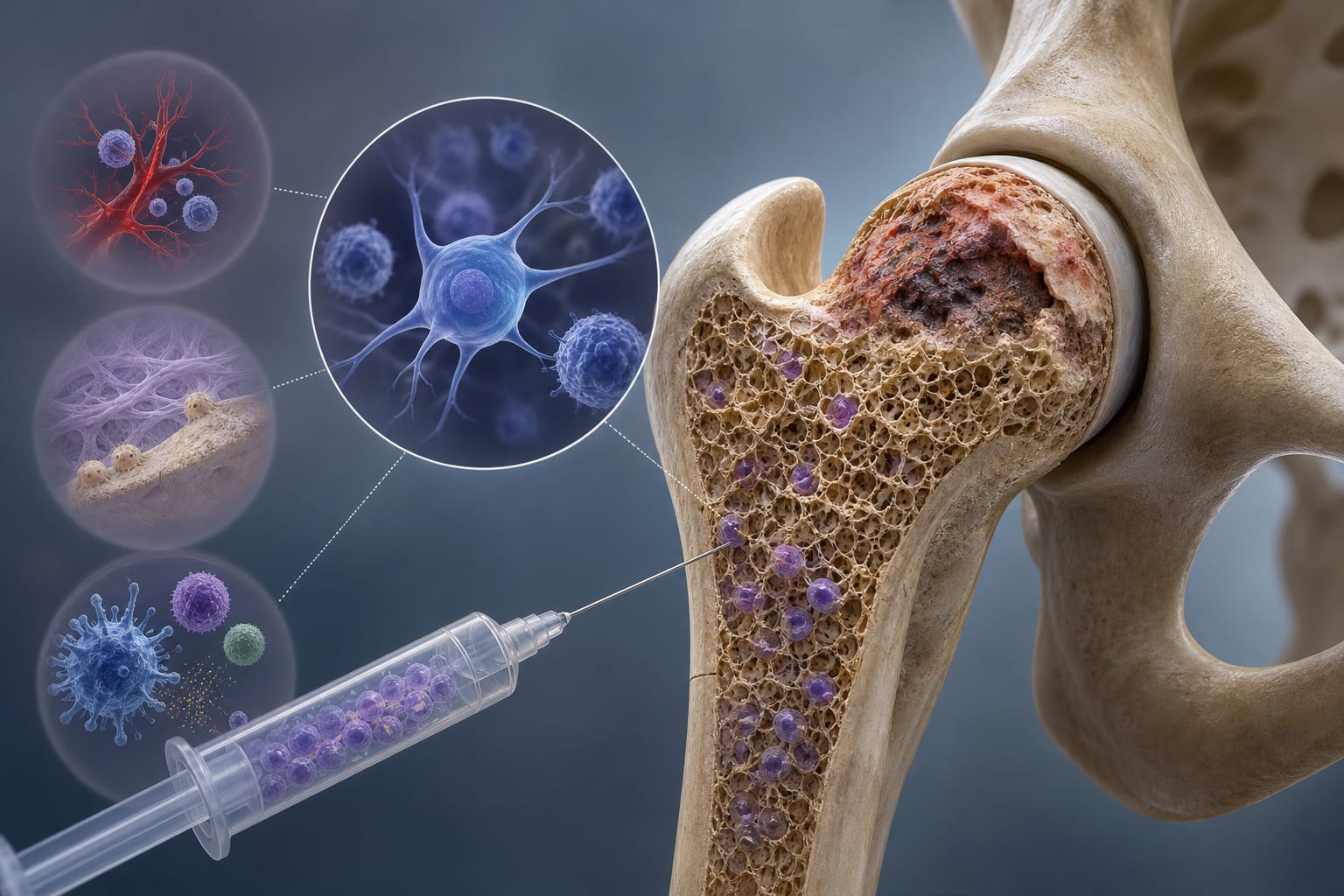
Current evidence supports a multifactorial approach to treatment, considering gut health.
Clinical Best Practices
Monitor changes in gut microbiota in AS patients. Evaluate the role of dietary factors in gut health and AS progression. Related Resources & Content