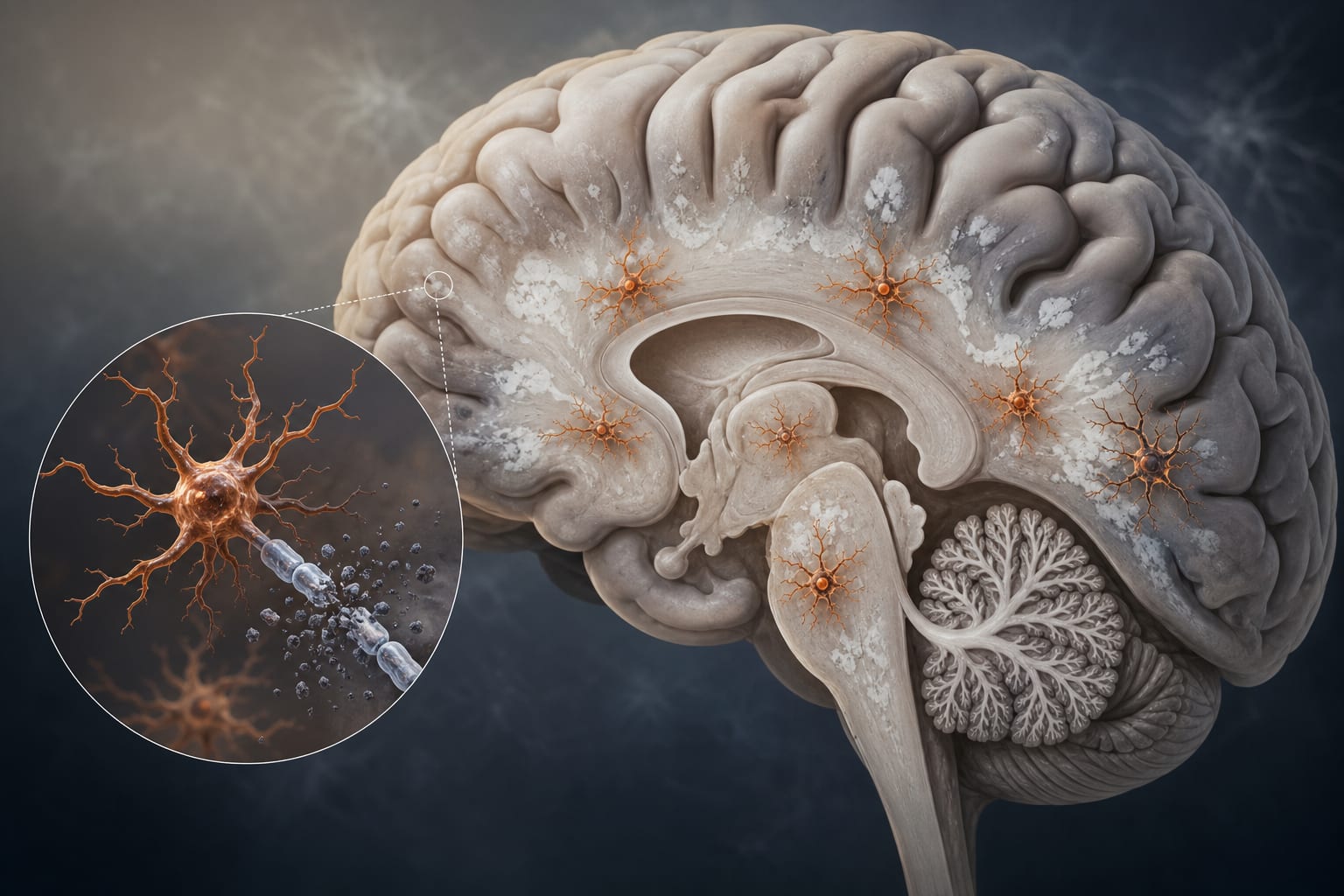
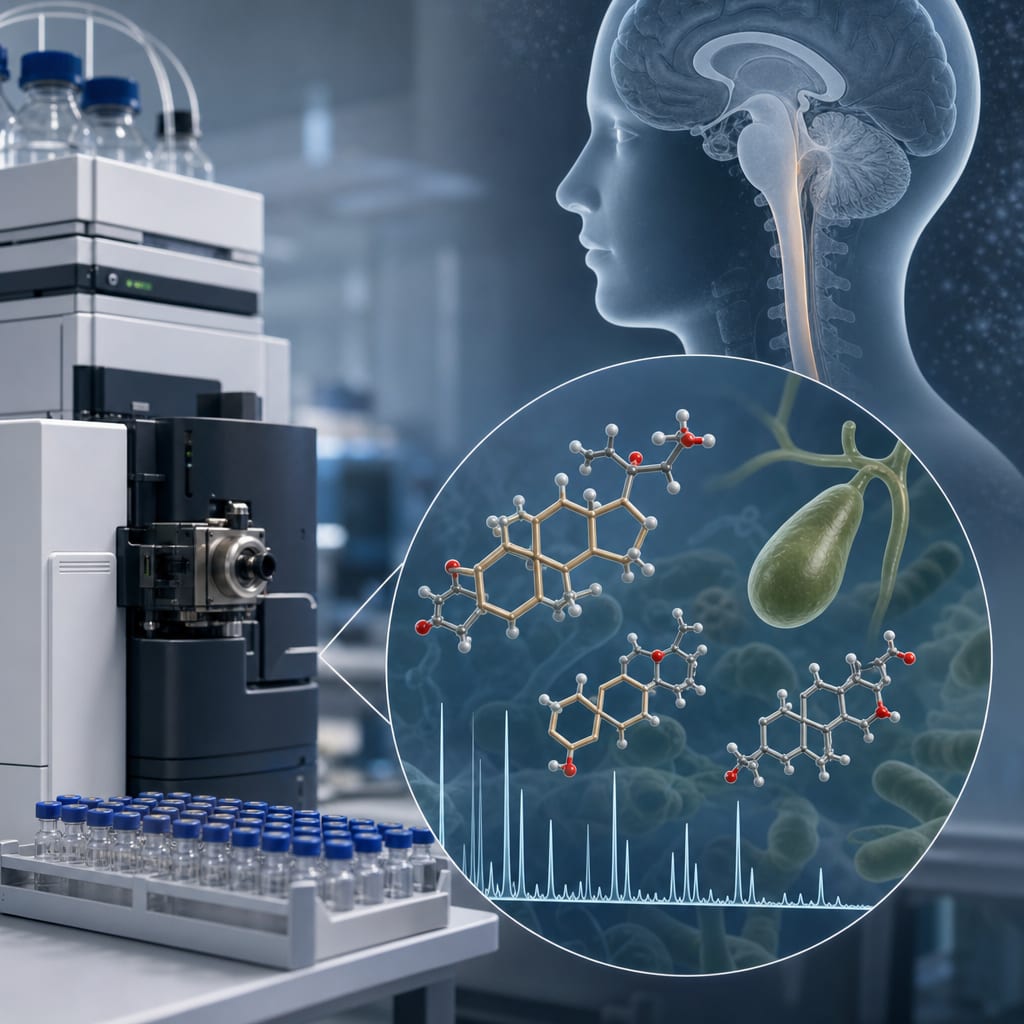
Modulation of the immunological and neuroinflammatory microenvironment in older people with multiple sclerosis
Clinical Scorecard: Alterations in the Immune and Neuroinflammatory Landscape in Elderly Individuals with Multiple Sclerosis
At a Glance
Category Detail
Condition Key Mechanisms Immunosenescence, inflammaging, gut microbiota dysbiosis, mitochondrial dysfunction, blood–brain barrier dysfunction, microglial activation Target Population Care Setting
Key Highlights
Shift from relapse-driven inflammation to chronic neuroinflammation and neurodegeneration in aging pwMS Impact of age on disability trajectories, cognitive decline, and comorbidities Changes in safety and efficacy of disease-modifying therapies (DMT) in older pwMS, including specific strategies Emerging therapies including Bruton's tyrosine kinase inhibitors, neuroprotective agents, and advanced cellular therapies Importance of personalized treatment decisions for older pwMS Guideline-Based Recommendations
Diagnosis
Management
Focus on high-efficacy DMT, de-escalation, and discontinuation strategies, including specific examples Monitoring & Follow-up
Risks
Patient & Prescribing Data
Older individuals with Multiple Sclerosis (pwMS)
Emerging therapies and lifestyle-based interventions may be relevant for this population
Clinical Best Practices
Personalized treatment decisions based on age-related factors Monitoring for cognitive decline and comorbidities in older pwMS Addressing the impact of vascular and neurodegenerative mechanisms as highlighted in the abstract Related Resources & Content