Clinical Scorecard: Strategies for Enhancing CAR-T Cell Function and Reducing Exhaustion in Acute Myeloid Leukemia: Insights into Metabolic and Microenvironmental Mechanisms
At a Glance
Category
Detail
Condition
Acute Myeloid Leukemia (AML)
Key Mechanisms
Antigenic heterogeneity, suppressive myeloid-driven microenvironment, metabolic competition, and T-cell exhaustion.
Target Population
Patients with acute myeloid leukemia (AML) undergoing CAR T-cell therapy.
Care Setting
Oncology and hematology clinics specializing in CAR T-cell therapy.
Key Highlights
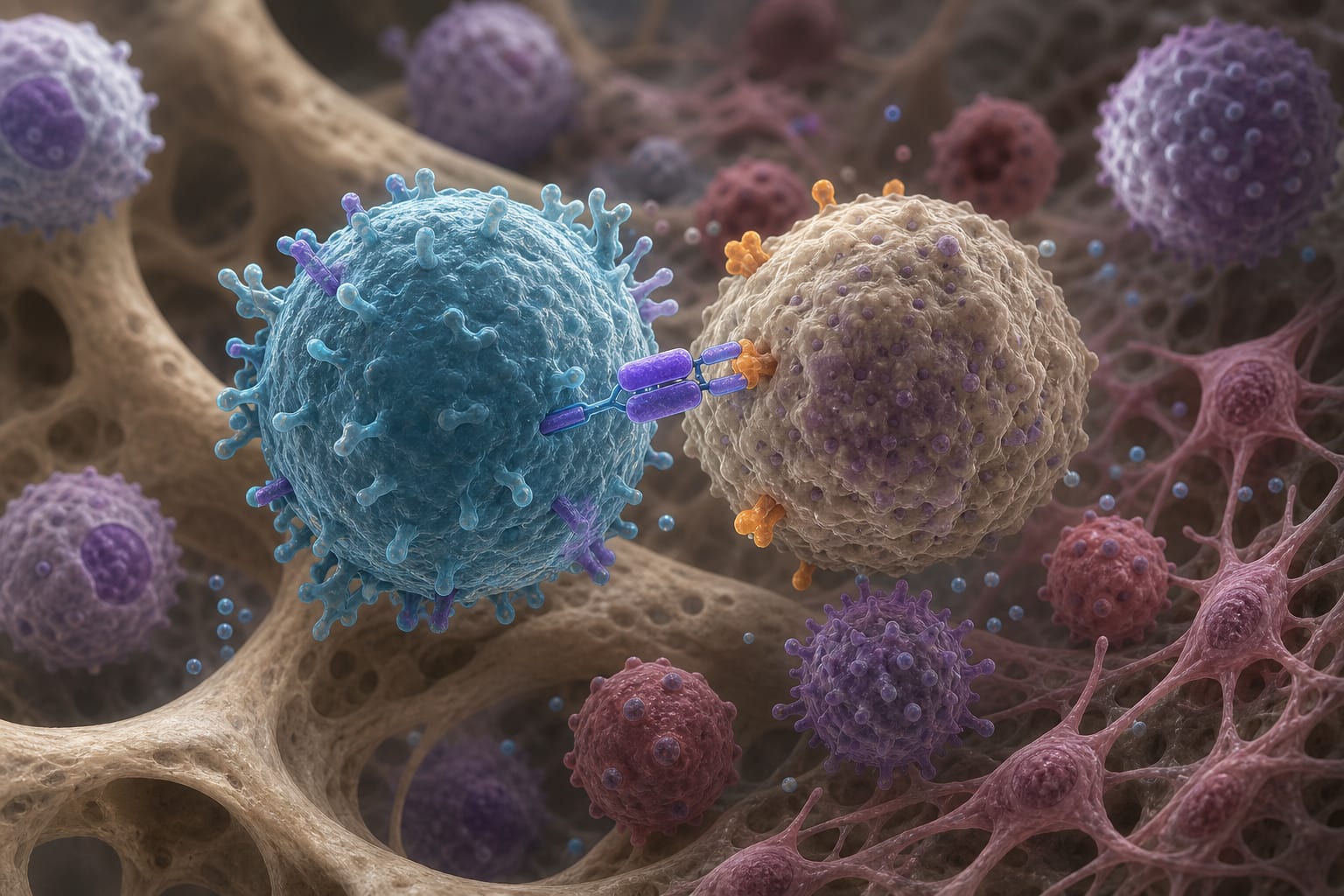
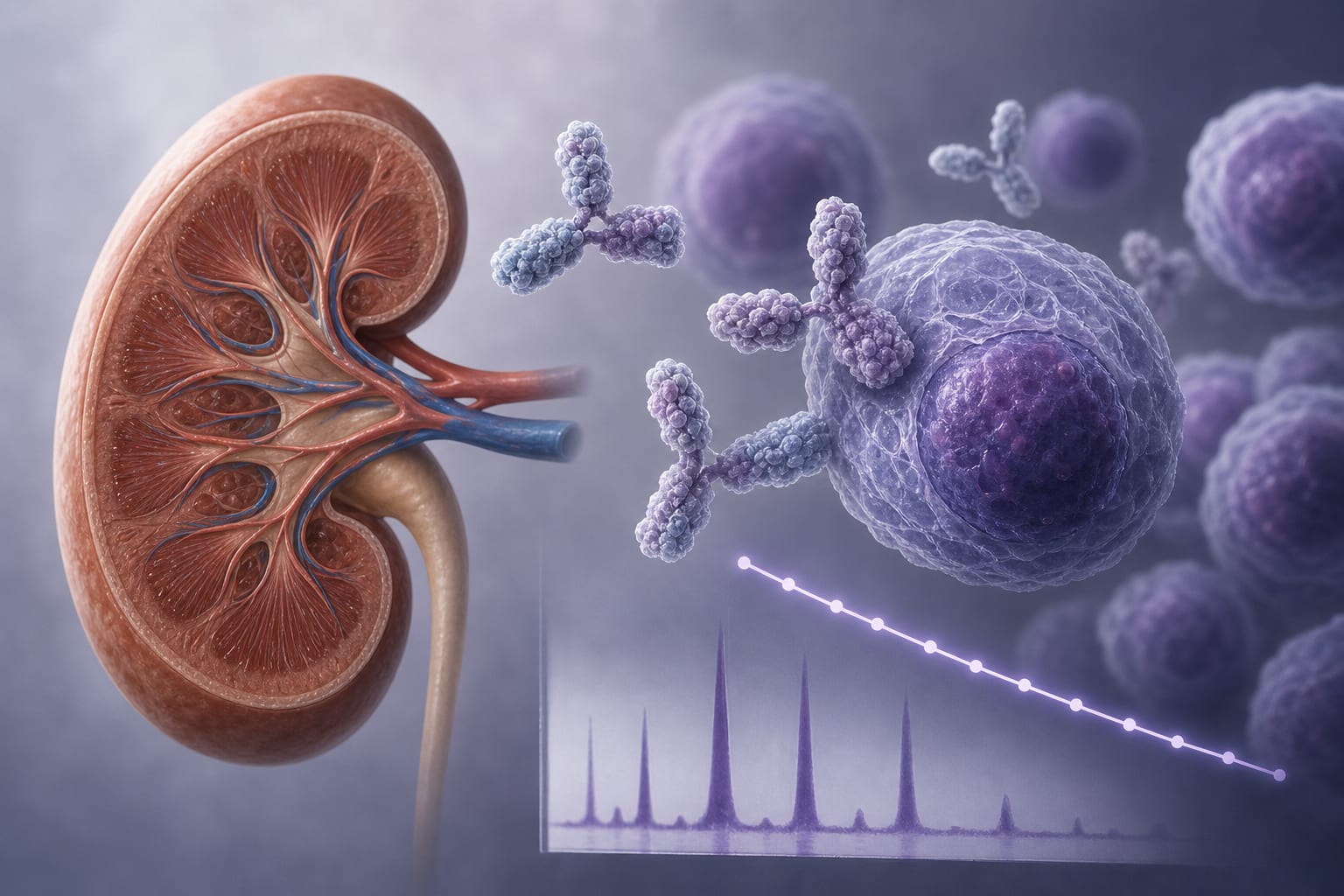
CAR T-cell therapy shows limited efficacy in AML due to antigen escape and T-cell exhaustion.
CD33, CD123, CLL-1, and FLT3 are explored as targets for CAR T-cell therapy in AML.
Intra-tumoral heterogeneity and suppressive niches contribute to treatment challenges.
Dysfunctional autologous T cells from heavily pretreated patients impair CAR T-cell manufacturing.
Allogeneic CAR T-cell strategies may offer improved baseline fitness but pose additional risks.
Guideline-Based Recommendations
Diagnosis
Assess the presence of AML-associated antigens for targeted CAR T-cell therapy.
Management
Consider optimized manufacturing and cellular programming to enhance CAR T-cell fitness.
Monitoring & Follow-up
Monitor for signs of T-cell exhaustion and metabolic dysfunction during therapy.
Risks
Evaluate risks of on-target/off-tumor toxicity and graft-versus-host disease in allogeneic approaches.
Patient & Prescribing Data
Patients with acute myeloid leukemia, particularly those with prior treatments affecting T-cell function.
Focus on enhancing T-cell quality and resilience against metabolic and inflammatory stress.
Clinical Best Practices
Implement strategies to preserve stem-like T-cell subsets during manufacturing.
Utilize metabolic and transcriptional interventions to sustain T-cell function.
Modulate the microenvironment to reduce suppressive signaling and improve T-cell trafficking.