Clinical Scorecard: Efficacy of Intraperitoneal Bupivacaine for Pain Relief After Laparoscopic Bariatric Surgery: Results from a Randomized Clinical Study
At a Glance
Category
Detail
Condition
Postoperative Pain Management in Bariatric Surgery
Key Mechanisms
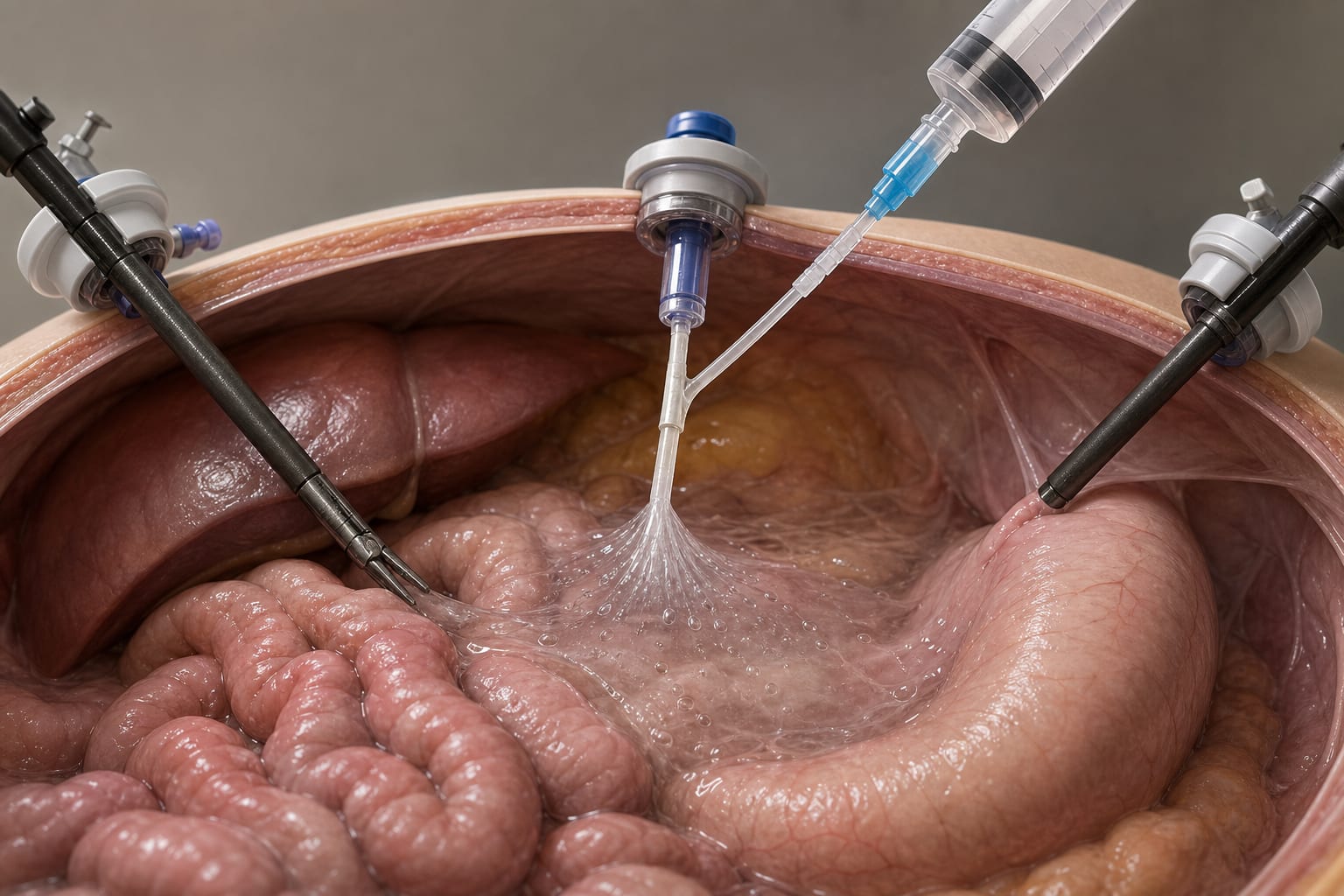
Intraperitoneal instillation of bupivacaine to block nociceptive afferents and reduce visceral pain.
Target Population
Adults with severe obesity undergoing laparoscopic bariatric procedures.
Care Setting
Hospital setting for laparoscopic bariatric surgery.
Key Highlights
Study included 90 adult patients with severe obesity.
Intraperitoneal bupivacaine was administered at a dose of 0.5 mL/kg.
Postoperative pain was assessed using the Visual Analogue Scale (VAS).
Multimodal analgesia was emphasized to minimize opioid use.
Patients were monitored for pain and complications post-surgery.
Guideline-Based Recommendations
Diagnosis
Assess pain using the Visual Analogue Scale (VAS) postoperatively.
Management
Utilize multimodal analgesia strategies to optimize pain relief.
Monitoring & Follow-up
Continuous monitoring of oxygen saturation and pain levels in the PACU.
Risks
Monitor for opioid-induced respiratory depression, especially in patients with obstructive sleep apnea.