Gastrointestinal endoscopy for physiological assessment in functional gastrointestinal disorders: a perspective
-
By
-
Jing-rong Dong
-
Shan-shan Guo
-
Bin Hu
-
Wen-shuang Zou
-
July 10, 2026
-
Clinical Scorecard: Reevaluating Gastrointestinal Endoscopy's Role in Assessing Functional Gastrointestinal Disorders: A New Perspective
At a Glance
| Category | Detail |
|---|
| Condition | Functional Gastrointestinal Disorders (DGBI) |
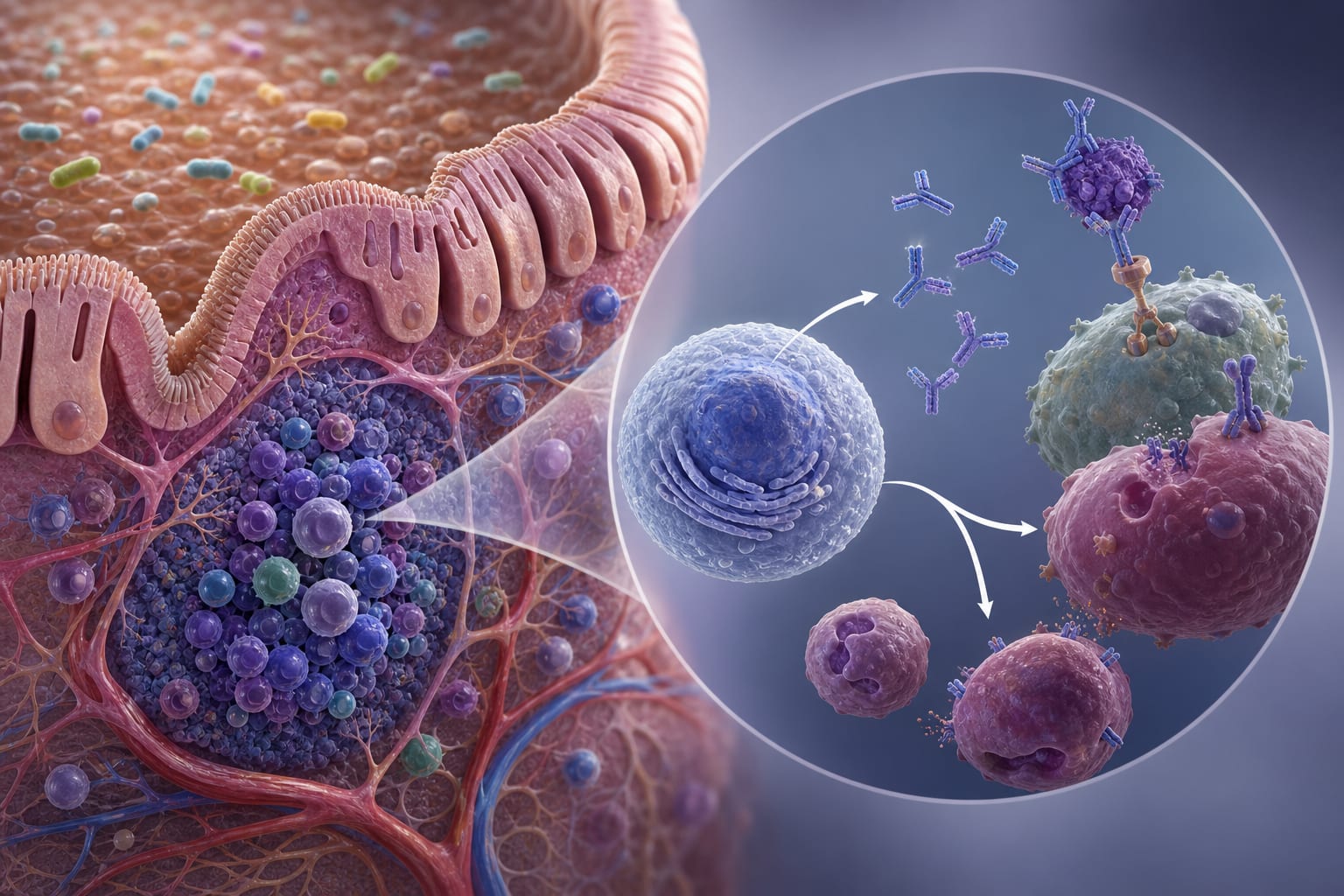
| Key Mechanisms | Disordered motility, visceral hypersensitivity, impaired mucosal barrier function, low-grade immune activation, gut microbiota dysbiosis. |
| Target Population | Patients with persistent gastrointestinal symptoms without organic pathology. |
| Care Setting | Clinical endoscopy and gastrointestinal assessment. |
Key Highlights
- Endoscopy should transition from a tool for exclusion of organic pathology to a platform for physiological assessment.
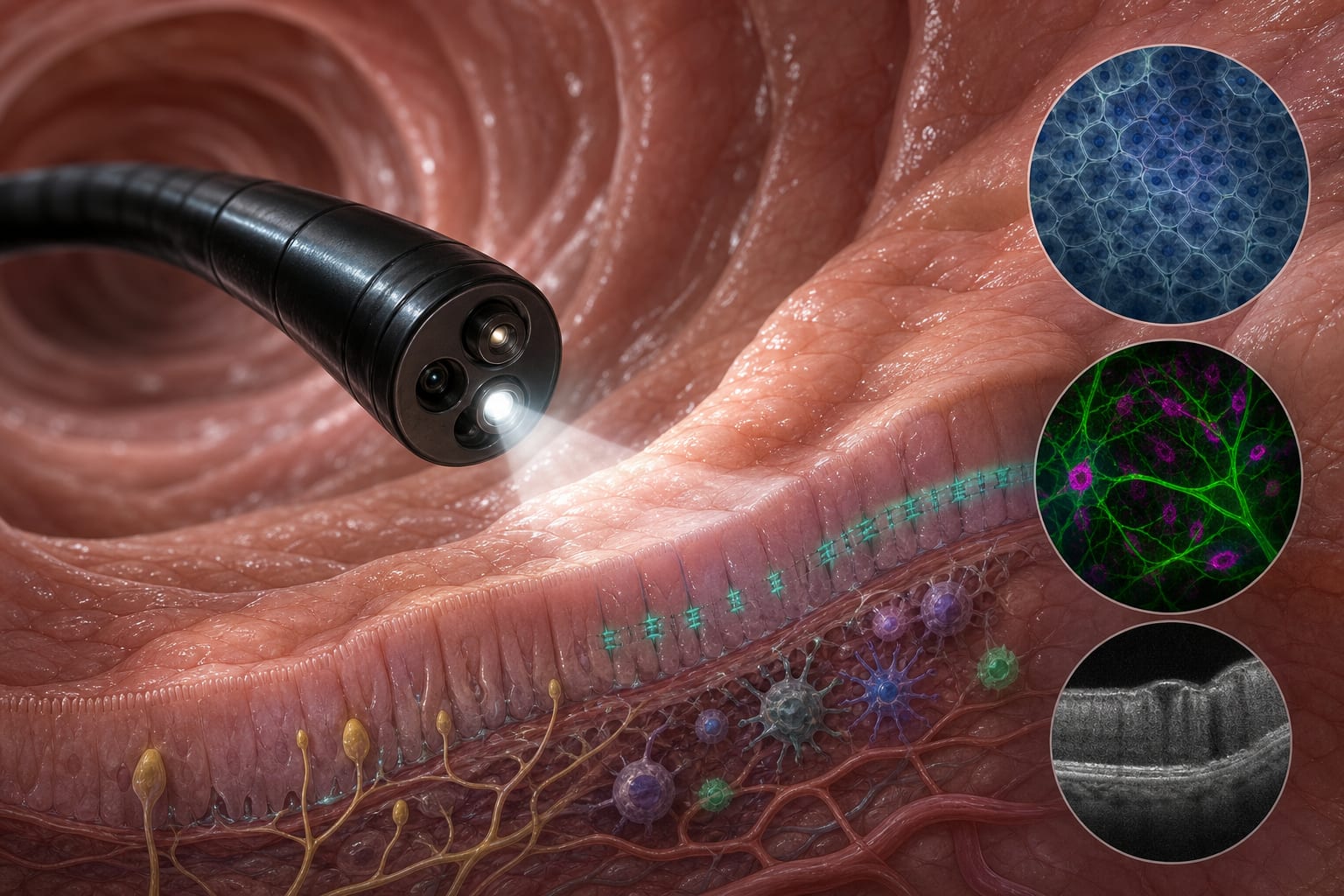
- Functional endoscopy integrates multiple physiological dimensions for comprehensive evaluation.
- Current endoscopic practices often miss key pathophysiological processes due to reliance on morphological assessment.
Guideline-Based Recommendations
Diagnosis
- Utilize functional endoscopy to capture dynamic physiological parameters.
Management
- Adopt a multidimensional approach to assess and manage functional gastrointestinal disorders.
Monitoring & Follow-up
- Implement real-time intraluminal functional imaging and environmental monitoring.
Risks
- Diagnostic delays and patient anxiety may arise from the current exclusionary model.
Patient & Prescribing Data
Individuals with functional gastrointestinal disorders experiencing persistent symptoms.
Functional endoscopy may facilitate precision diagnostics and tailored management strategies.
Clinical Best Practices
- Shift from morphological exclusion to functional capture in endoscopic evaluations.
- Incorporate advanced imaging and sensing technologies into routine endoscopic practice.
Related Resources & Content