Acute injury characteristics predict chronic neuropathic pain development after spinal cord injury - Scorecard - MDSpire

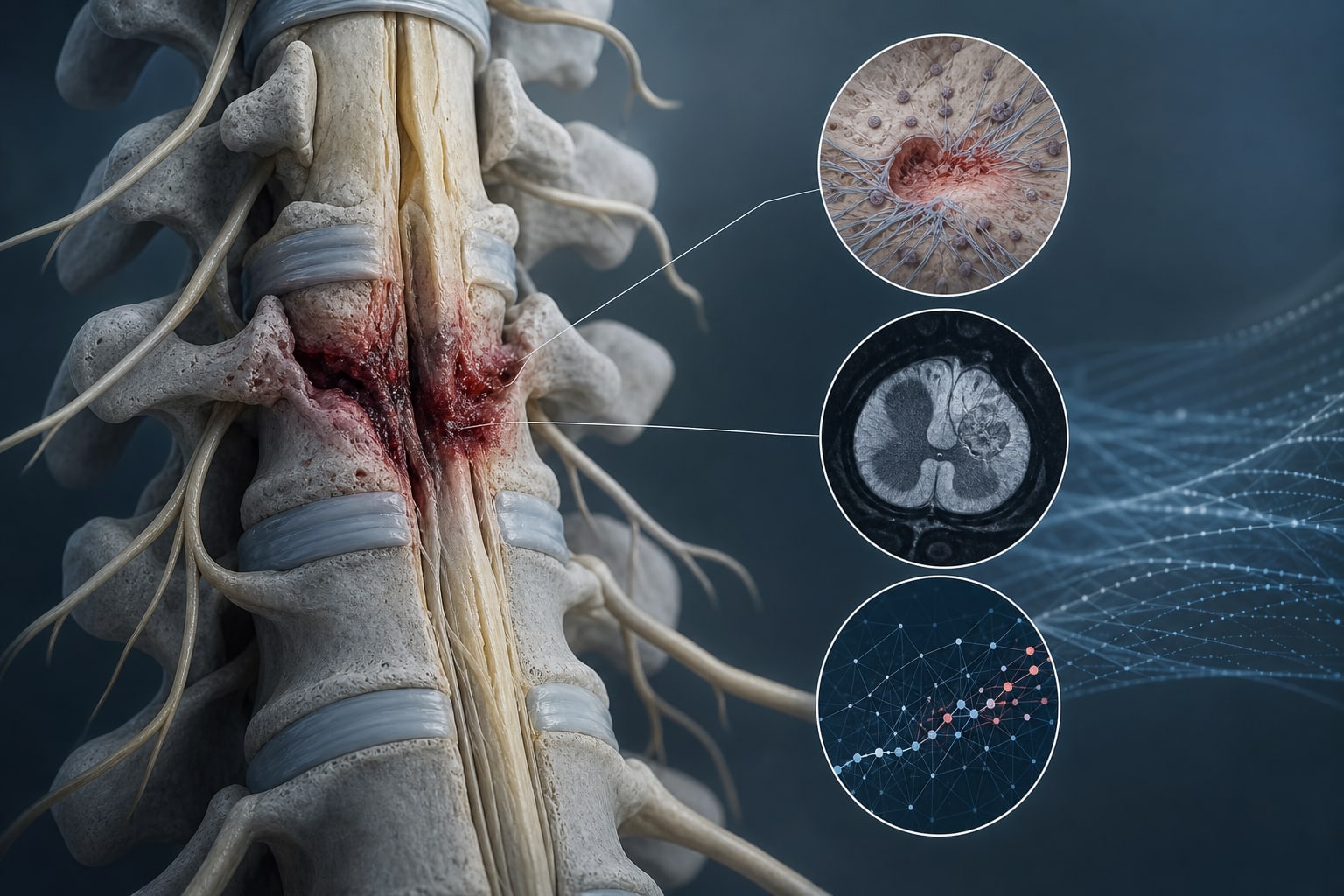
Acute injury characteristics predict chronic neuropathic pain development after spinal cord injury

  • By

  • Kenneth A. Fond

  • Mayra Arellano

  • Abel Torres-Espin

  • Austin Chou

  • Xuan Bradfield

  • Sara L. Moncivais

  • J. Russell Huie

  • Debra D. Hemmerle

  • Anastasia V. Keller

  • Vineeta Singh

  • Lisa U. Pascual

  • Anthony M. DiGiorgio

  • Jason F. Talbott

  • William D. Whetstone

  • Jonathan Z. Pan

  • Philip R. Weinstein

  • Sanjay S. Dhall

  • Rajiv Saigal

  • Adam R. Ferguson

  • Jacqueline C. Bresnahan

  • Michael S. Beattie

  • Nikos Kyritsis

  • June 16, 2026

  • 0 min

Share

Clinical Scorecard: Early Injury Features as Predictors of Chronic Neuropathic Pain Following Spinal Cord Injury

At a Glance

CategoryDetail
ConditionChronic Neuropathic Pain following Spinal Cord Injury
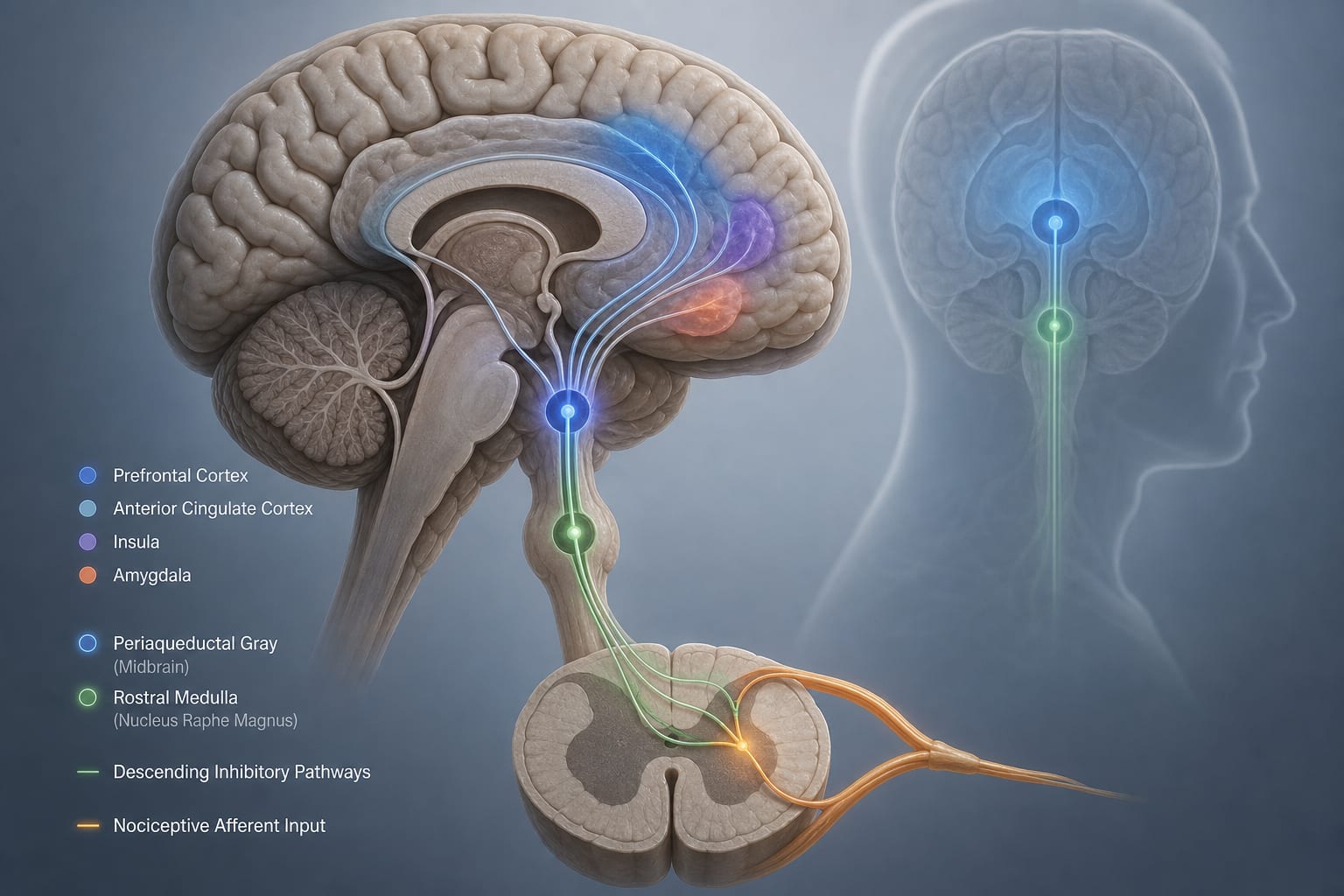
Key MechanismsDamage to central somatosensory nerve cells or fibers, polytrauma
Target PopulationPatients with Spinal Cord Injury
Care SettingAcute care settings, trauma centers

Key Highlights

  • 59% of patients reported chronic neuropathic pain after SCI
  • Four acute care variables predict chronic neuropathic pain: total number of systemic injuries, injury severity score, lower limb total motor score, sensory pinprick total score
  • Logistic regression model achieved a balanced accuracy of 74.3%

Guideline-Based Recommendations

Diagnosis

  • Utilize early diagnosis to identify at-risk patients

Management

  • Implement multimodal therapies including physical therapy, medications, and surgical options

Monitoring & Follow-up

  • Evaluate pain status at 6 and 12 months post-injury

Risks

  • Chronic neuropathic pain can severely impact quality of life

Patient & Prescribing Data

Patients with Spinal Cord Injury experiencing neuropathic pain

Clinical Best Practices

    Related Resources & Content

    Original Source(s)

    Related Content