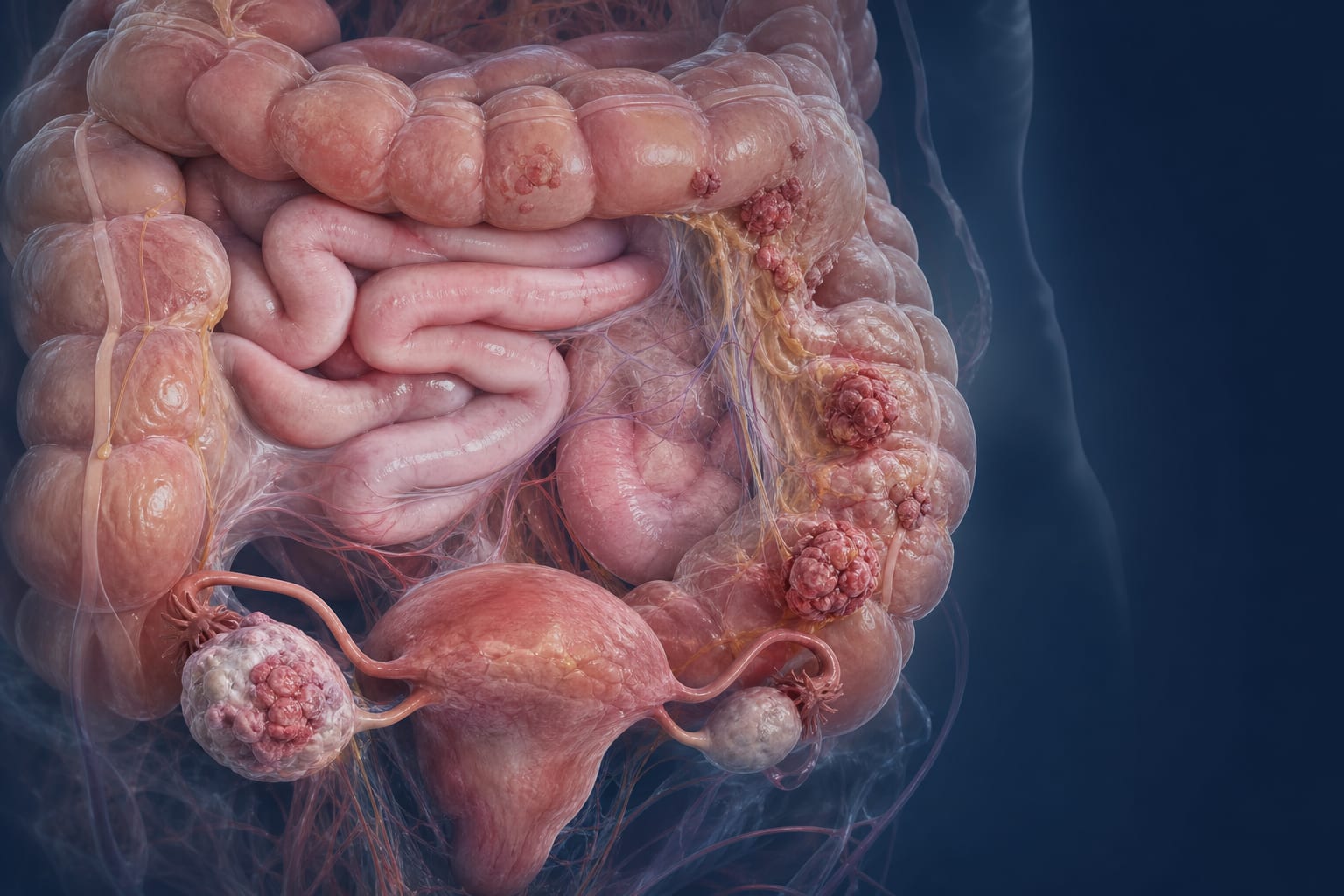
Editorial: Insights on the Application of Hyaluronic Acid in Genitourinary Disorders
By
Marilena Gubbiotti
August 18, 2026
Clinical Scorecard: Editorial: Insights on the Application of Hyaluronic Acid in Genitourinary Disorders
At a Glance
Category Detail
Condition Genitourinary Disorders Key Mechanisms Restoration of epithelial barrier function, modulation of inflammatory responses, and enhancement of mucosal integrity. Target Population Patients with chronic urological and gynecological disorders. Care Setting Clinical environments focusing on genitourinary medicine.
Key Highlights
Hyaluronic acid (HA) plays a significant role in tissue hydration and epithelial repair. Restoration of epithelial integrity may serve as a common therapeutic target across various genitourinary disorders. Intravesical instillation of HA has shown promise in reducing recurrence of urinary tract infections and improving lower urinary tract symptoms. Evidence supports the use of HA in managing bladder damage from treatments like radiation and BCG therapy. Current research highlights the need for standardized protocols in HA therapy for genitourinary conditions. Guideline-Based Recommendations
Diagnosis
Management
Consider hyaluronic acid as a therapeutic option for restoring epithelial integrity in chronic genitourinary disorders. Monitoring & Follow-up
Risks
Patient & Prescribing Data
Patients experiencing recurrent urinary tract infections, chronic prostatitis, and other genitourinary disorders.
HA therapy may improve symptoms and reduce recurrence rates in certain conditions.
Clinical Best Practices
Focus on maintaining epithelial barrier function in the management of genitourinary disorders. Utilize HA in conjunction with other therapies for enhanced patient outcomes. Related Resources & Content