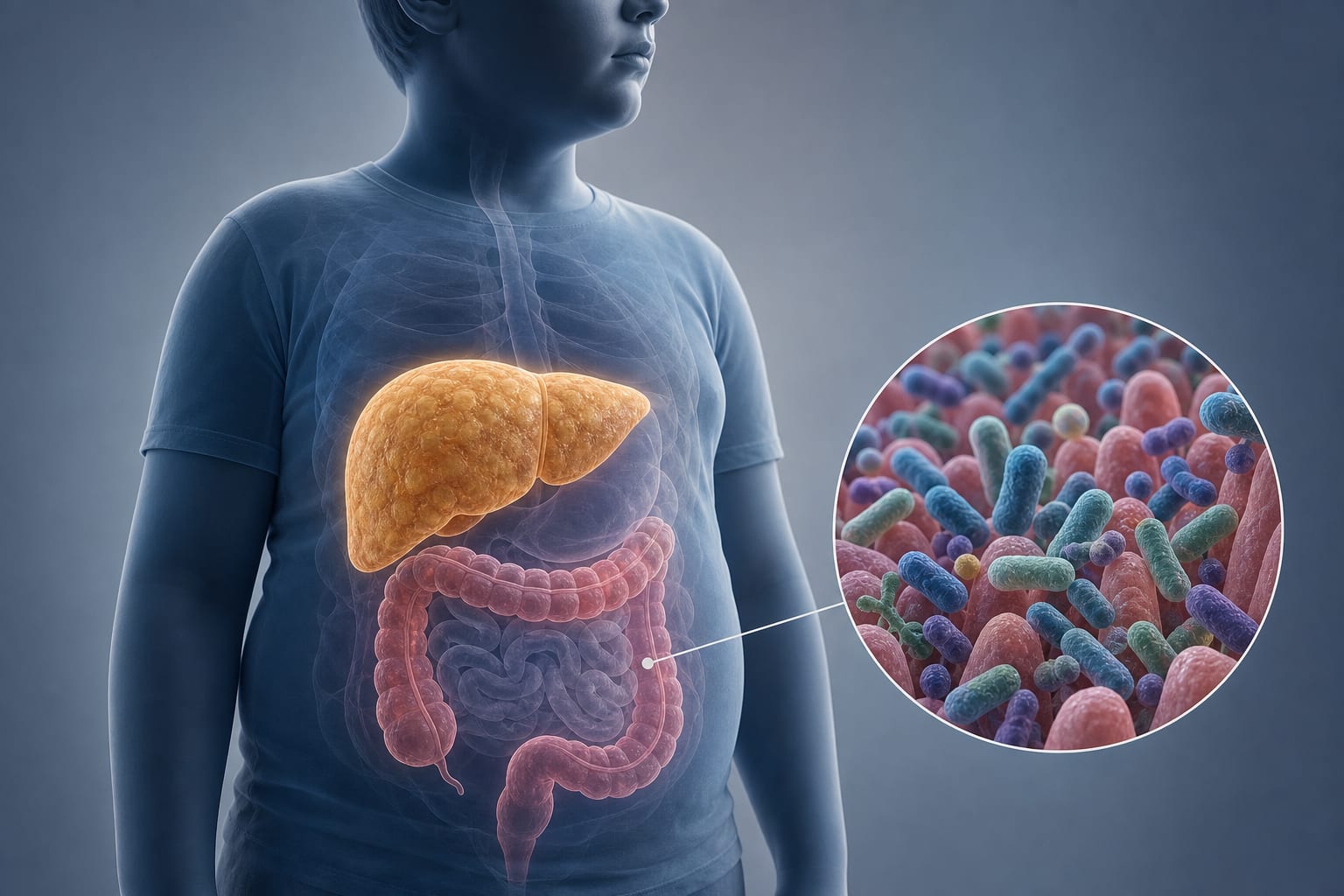
A Turning Point in MASH
A billion-dollar acquisition, breakthrough clinical data, and a shifting scientific paradigm are pushing MASH out of the shadows and into a new era of metabolic medicine.
By
HH Kim
January 8, 2026
Clinical Scorecard: A Turning Point in MASH
At a Glance
Category Detail
Condition Metabolic dysfunction-associated steatohepatitis (MASH) Key Mechanisms Insulin resistance, lipid metabolism, inflammatory signaling Target Population Individuals with obesity, type 2 diabetes, and cardiovascular disease Care Setting Cardiometabolic medicine
Key Highlights
MASH affects an estimated 115 million people globally. Recent therapies show promise in reversing fibrosis and improving metabolic health. The market for MASH treatments could exceed $20 billion by 2030. Innovative approaches target metabolic dysfunction as an interconnected system. Future endpoints will include systemic outcomes beyond histological improvement. Guideline-Based Recommendations
Diagnosis
Early diagnosis is crucial for effective management. Management
Focus on therapies that address metabolic dysfunction holistically. Monitoring & Follow-up
Monitor hepatic fat content, fibrosis, and systemic metabolic markers. Risks
MASH is associated with increased risk of cardiovascular disease. Patient & Prescribing Data
Patients with metabolic dysfunction, particularly those with NAFLD.
Emerging therapies show potential for significant liver fat reduction and improved metabolic outcomes.
Clinical Best Practices
Utilize multimodal therapies to address the complexity of MASH. Incorporate advanced biomarkers in clinical trials. Align treatment goals with regulatory perspectives on metabolic restoration. References