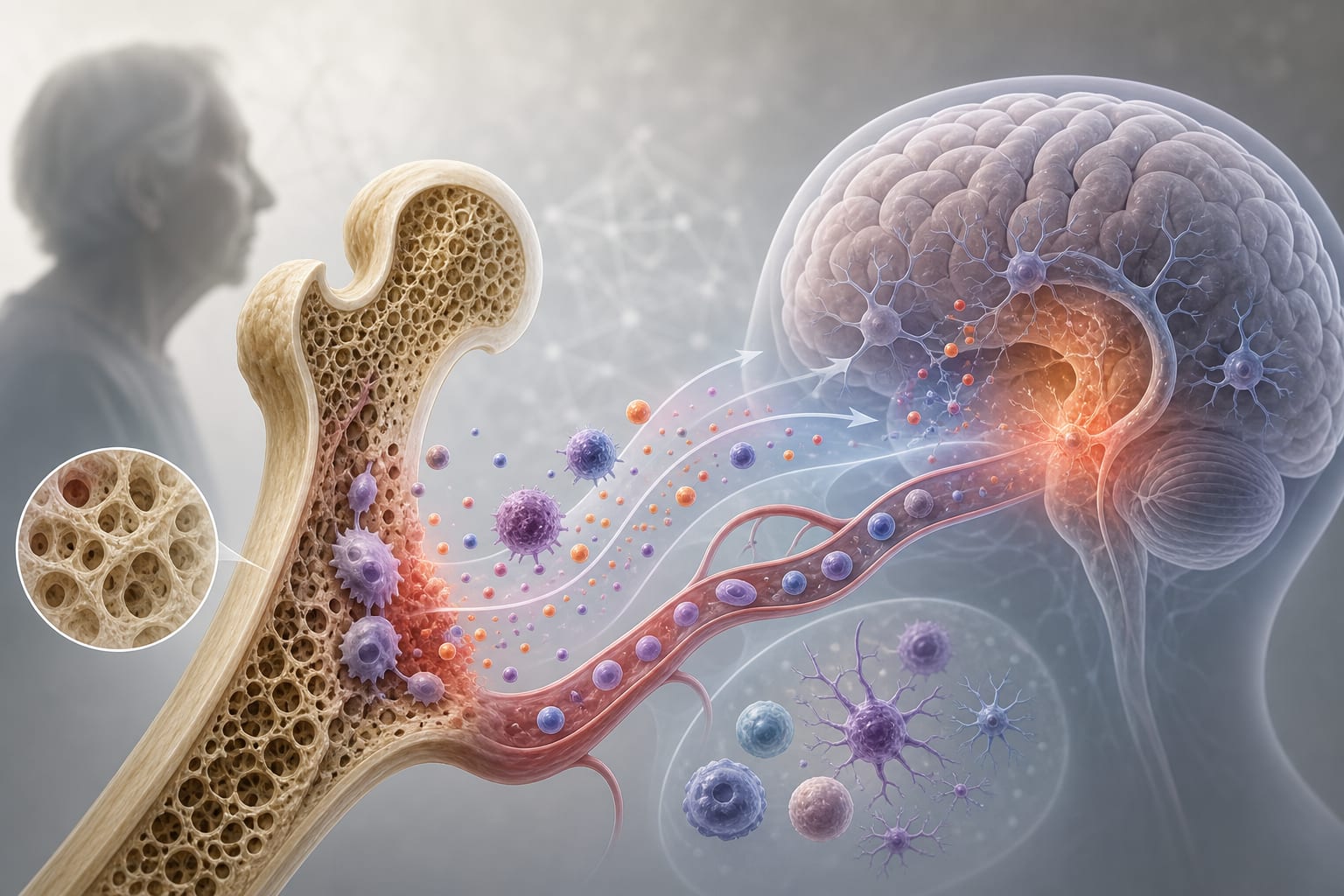
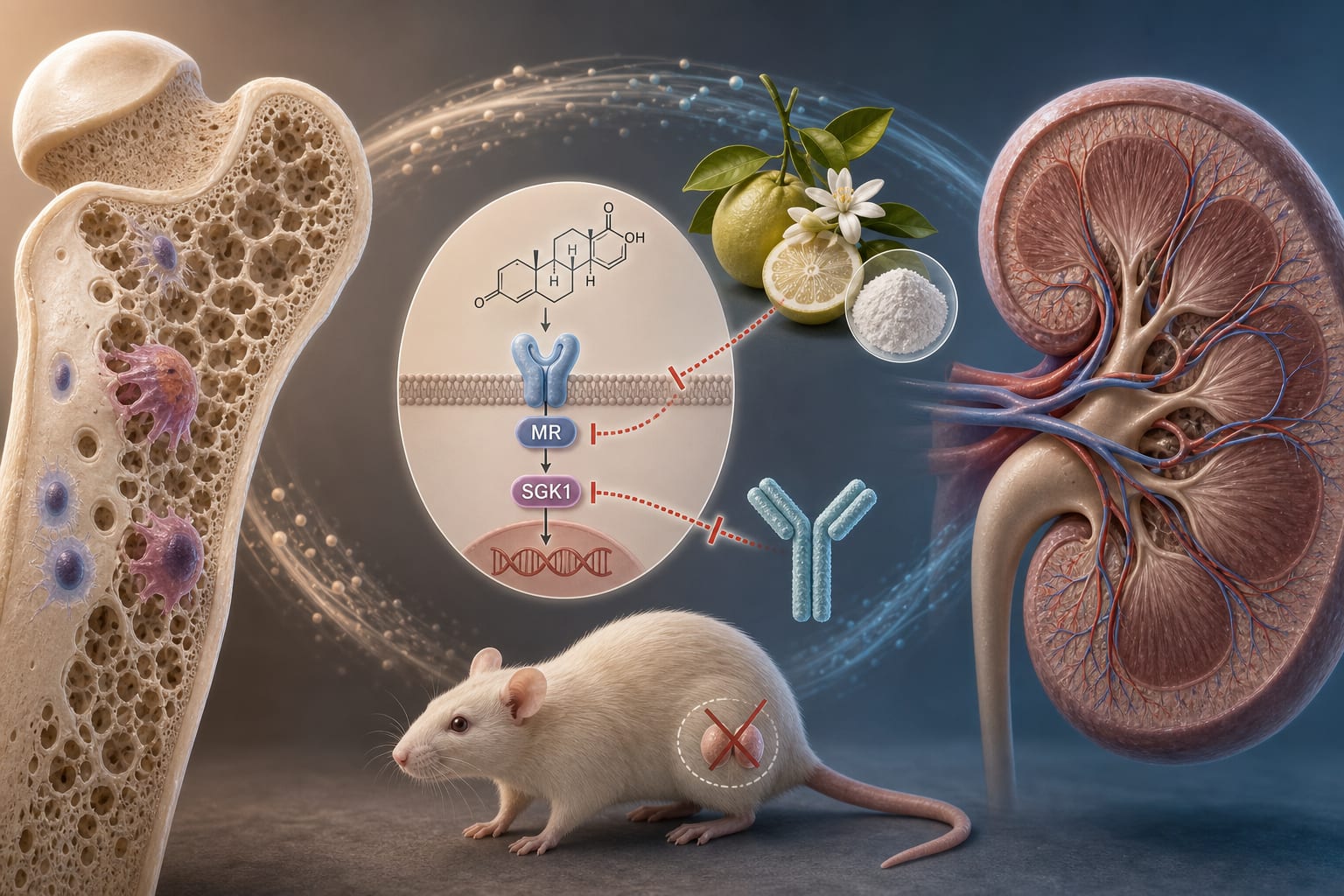
Clinical Scorecard: Current Insights into Osteoporosis Linked to Endocrine Disorders
At a Glance
Category
Detail
Condition
Key Mechanisms
Hormonal abnormalities affecting bone fragility, including hypercortisolism, primary aldosteronism, male hypogonadism, hypercalciuria, and FGF23-dependent phosphate-wasting disorders. Clarify clinical implications.
Target Population
Care Setting
Key Highlights
ERSOP is often underdiagnosed, particularly in men and younger patients.
Many forms of ERSOP can improve or reverse with treatment of the underlying endocrine disorder.
Mild autonomous cortisol secretion (MACS) is linked to increased fracture risk.
Primary aldosteronism contributes to skeletal fragility through oxidative stress and hypercalciuria.
FGF23-mediated disorders may respond to targeted therapies like burosumab.
Early diagnosis and treatment are crucial to prevent long-term complications.
Guideline-Based Recommendations
Diagnosis
Consider ERSOP in atypical osteoporosis phenotypes.
Differentiate between PTH-dependent and PTH-independent hypercalciuria.
Include specific diagnostic tests or criteria for ERSOP.
Management
Correct the underlying endocrine disturbance.
Integrate bone-specific therapy with hormonal treatments, specifying types of therapies.
Monitoring & Follow-up
Regular assessment of bone health in patients with endocrine disorders.
Risks
Increased fracture risk associated with untreated endocrine disorders.
Patient & Prescribing Data
Optimal fracture prevention may require combined hormonal and anti-osteoporotic therapy, specifying types of therapies.
Clinical Best Practices
Implement structured endocrine assessments for osteoporosis patients.
Screen for MACS in patients with fragility fractures, suggesting specific screening tools or protocols.