Clavicular Involvement in Gorham-Stout Disease: A Unique Case Study and Review of Existing Literature
-
By
-
Bingyan Mao
-
Qi Peng
-
Jicai Li
-
Zuoquan Qin
-
Shenke Xie
-
Zhiwei Qin
-
July 2, 2026
Clinical Scorecard: Clavicular Involvement in Gorham-Stout Disease: A Unique Case Study and Review of Existing Literature
At a Glance
| Category | Detail |
|---|
| Condition | Gorham-Stout Disease |
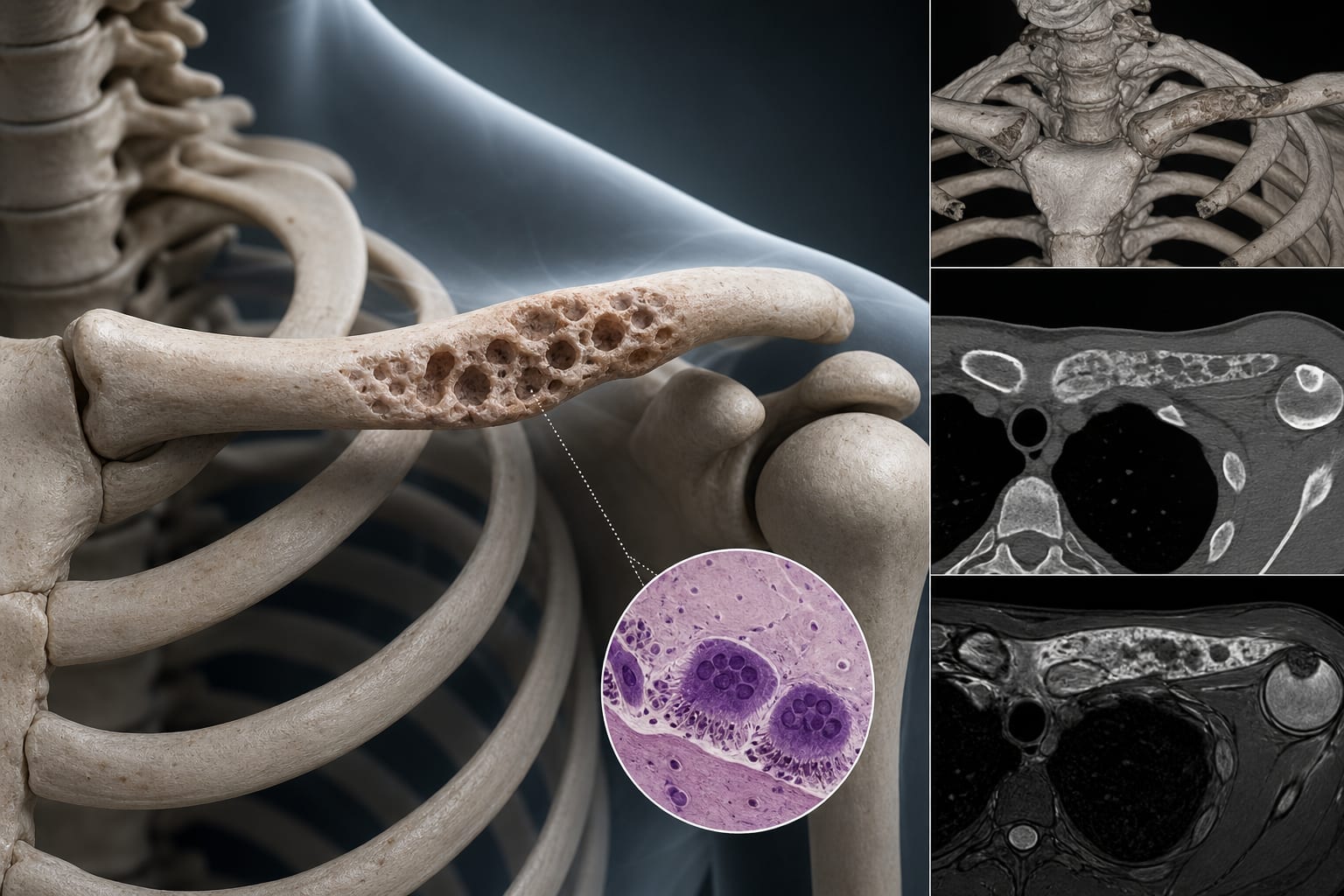
| Key Mechanisms | Idiopathic osteolytic disorder characterized by progressive bone resorption and vascular or lymphatic hyperplasia. |
| Target Population | Adolescents, particularly those with low-energy trauma. |
| Care Setting | Clinical evaluation and imaging for diagnosis and management. |
Key Highlights
- Gorham-Stout disease is a rare condition with approximately 400 cases reported worldwide.
- Diagnosis requires comprehensive evaluation and exclusion of other diseases.
- Monitoring biochemical markers related to bone turnover is essential for early diagnosis.
- Early administration of osteoclast activity inhibitors and vitamin D can improve prognosis.
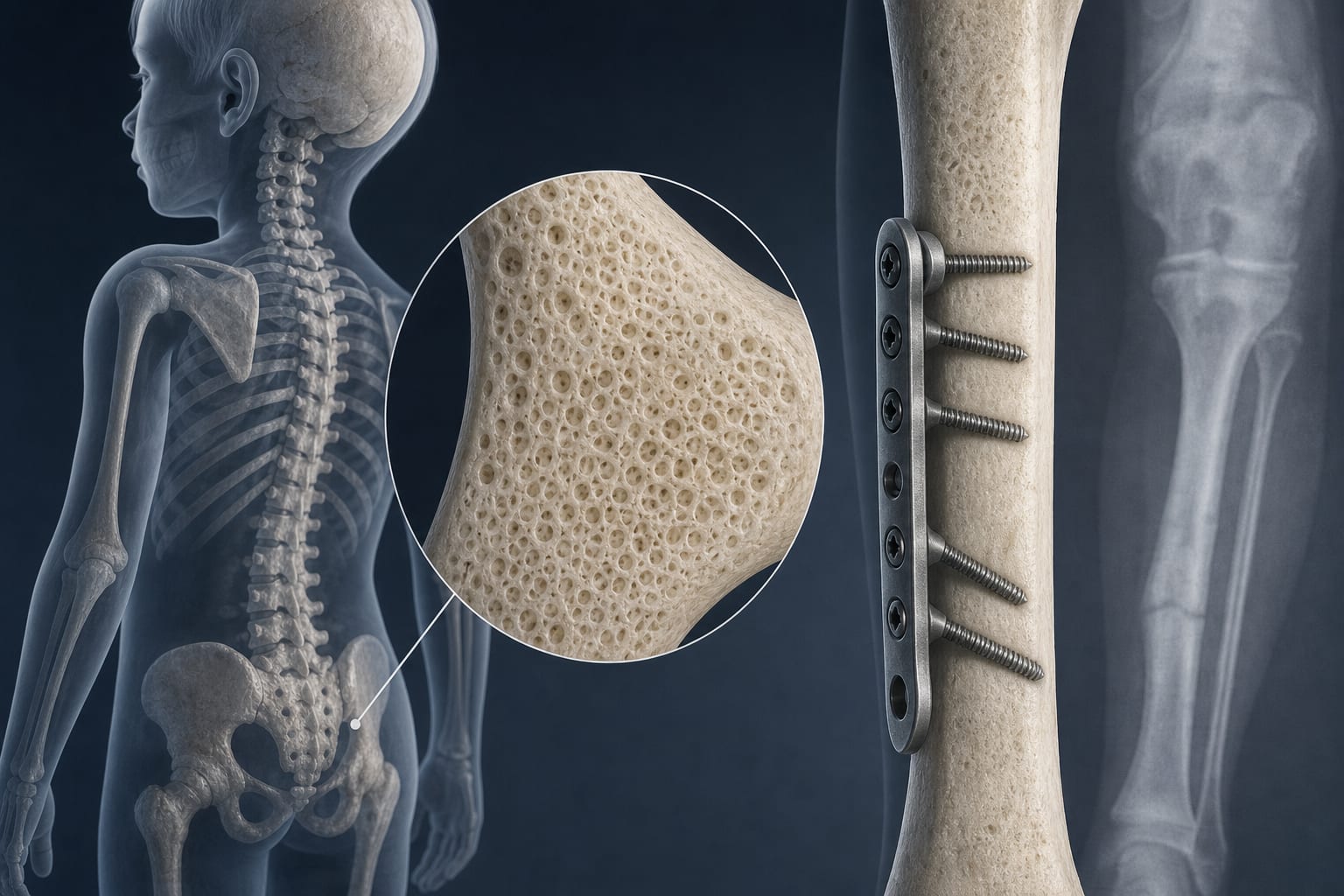
- Routine internal fixation of fractures without definitive diagnosis may lead to severe consequences.
Guideline-Based Recommendations
Diagnosis
- Comprehensive evaluation of clinical, imaging, and pathological findings.
Management
- Individualized treatment plans based on lesion site, patient age, and specific needs.
Monitoring & Follow-up
- Regular monitoring of biochemical markers related to bone turnover.
Risks
- Poor prognosis associated with pleural effusion, chylothorax, spinal involvement, or soft tissue invasion.
Patient & Prescribing Data
Adolescents with Gorham-Stout disease and vitamin D deficiency.
Oral treatment regimen initiated, avoiding surgery due to lack of significant functional impairment.
Clinical Best Practices
- Avoid routine internal fixation of fractures without a definitive diagnosis.
- Consider early intervention with osteoclast activity inhibitors and vitamin D supplementation.
Related Resources & Content