Clinical Scorecard: Modulation of Testosterone and Androgen Receptor Pathways in Sepsis: Exploring Immunometabolic Mechanisms and Clinical Implications — A Comprehensive Review
At a Glance
Category
Detail
Condition
Sepsis
Key Mechanisms
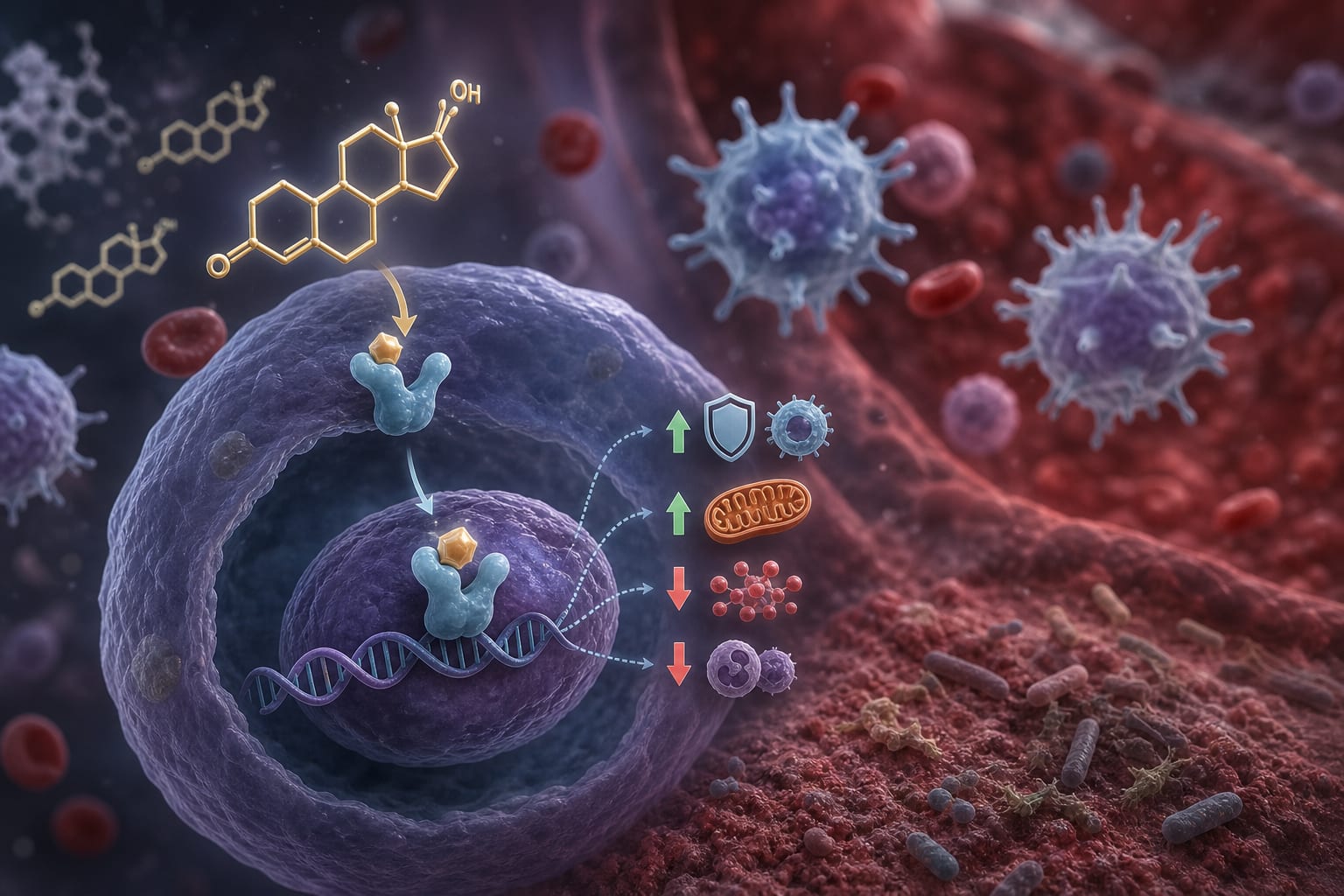
Testosterone modulation of immunometabolic response via androgen receptor pathways.
Target Population
Adult patients with sepsis or septic shock.
Care Setting
Intensive care medicine.
Key Highlights
Lower testosterone levels correlate with higher disease severity and mortality in sepsis.
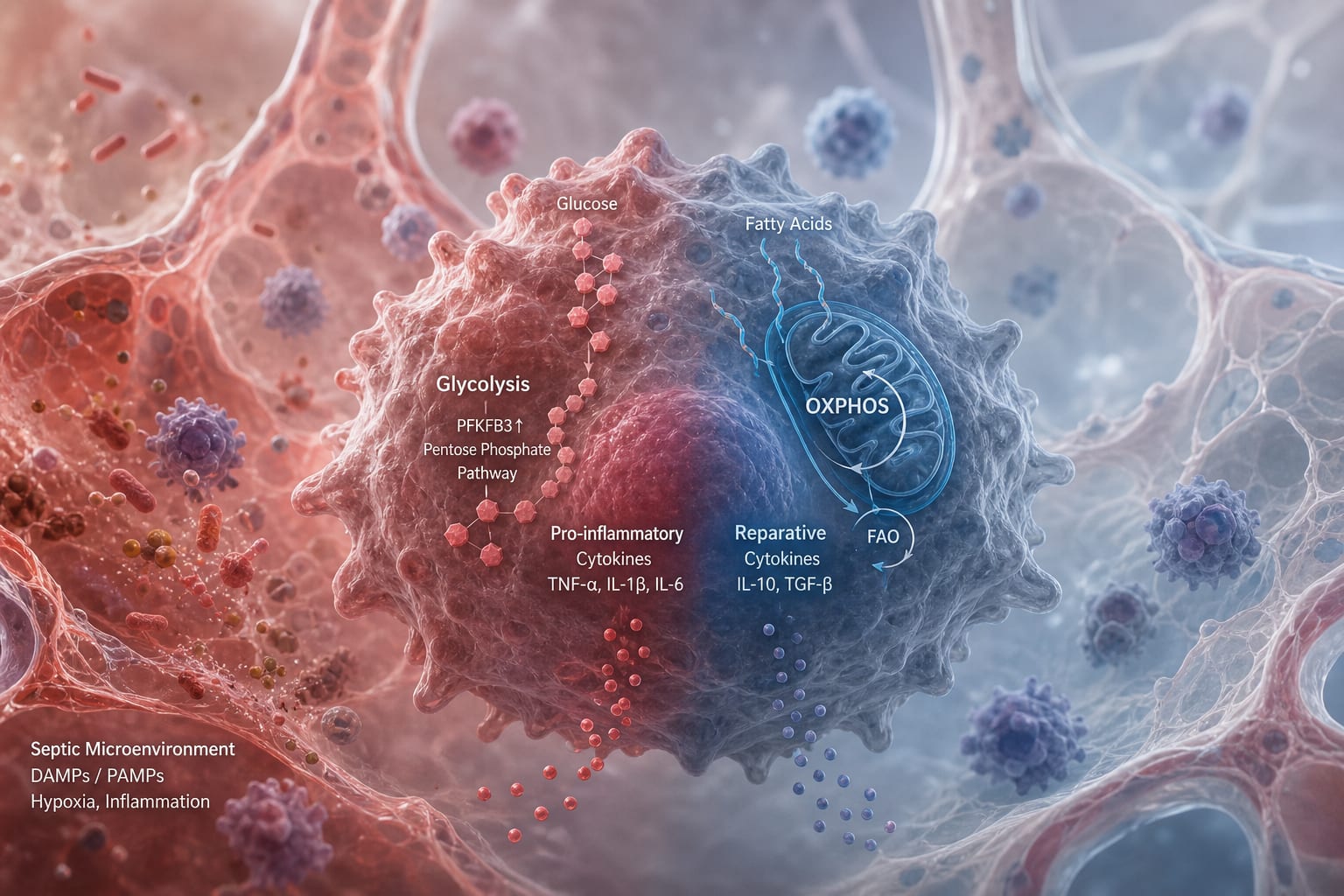
Androgen receptor pathway influences cytokine production and immune cell metabolism.
Testosterone supplementation shows changes in metabolic parameters but no significant survival benefit.
Guideline-Based Recommendations
Diagnosis
Assess testosterone levels in patients with sepsis to evaluate disease severity.
Management
Consider testosterone deficiency in the context of sepsis management.
Monitoring & Follow-up
Monitor SOFA and APACHE II scores alongside hormonal assessments.
Risks
Routine androgen therapy is not supported due to lack of survival benefit.
Patient & Prescribing Data
Adult patients with sepsis or septic shock.
Testosterone deficiency is linked to increased disease severity and mortality.
Clinical Best Practices
Conduct further studies on testosterone's role in sepsis with a focus on sex-specific analyses.
Incorporate baseline hormonal status and multi-omics approaches in future research.
Invited narrative review supports early, interprofessional rehabilitation across the ICU recovery continuum while emphasizing heterogeneous evidence and inconsistent implementation worldwide.