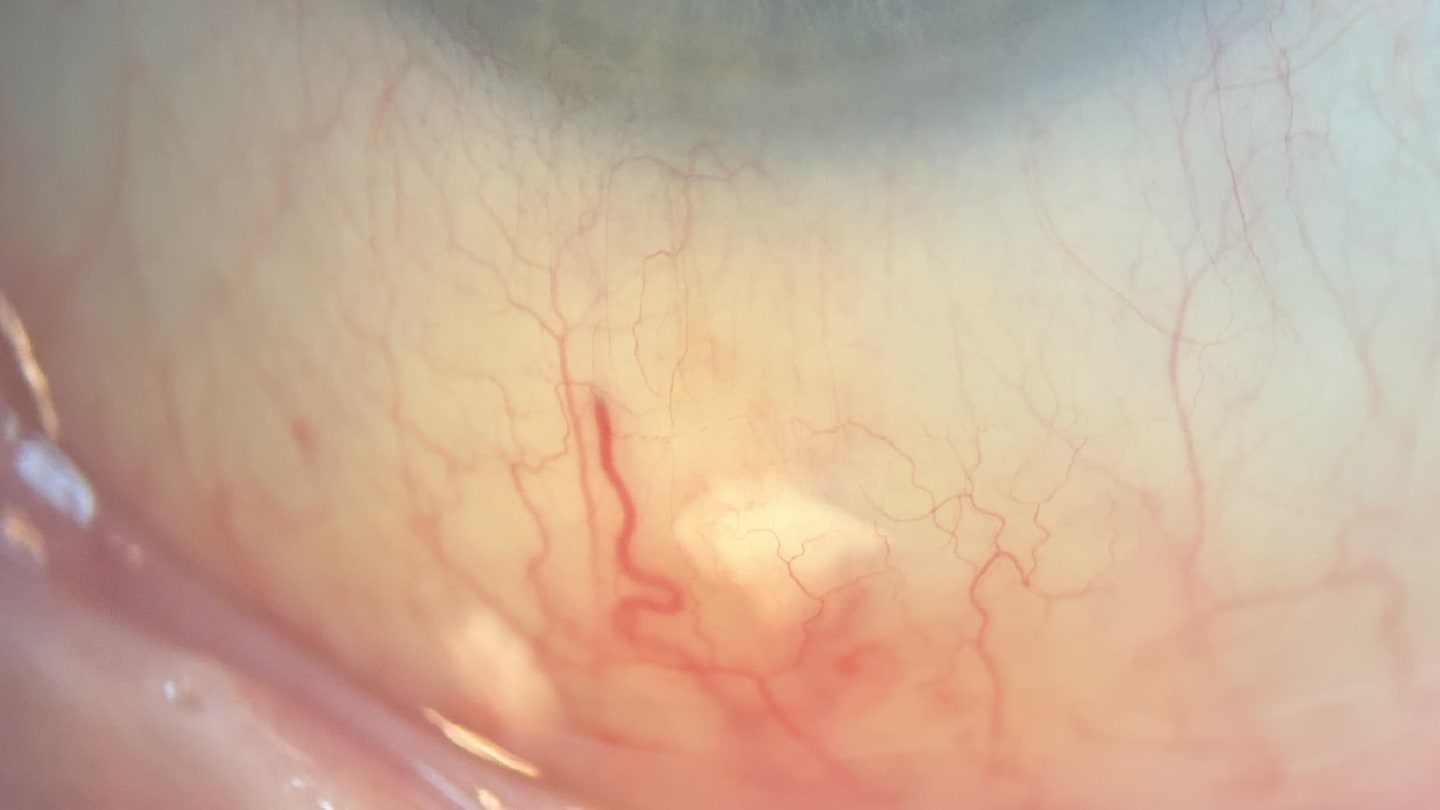
Pharmacological principles of intravitreal drug therapy and their implications for clinical practice: a primer for the ophthalmologist - Summary - MDSpire
Advertisement
Pharmacological principles of intravitreal drug therapy and their implications for clinical practice: a primer for the ophthalmologist
To review key pharmacological principles concerning approved intravitreal anti-VEGF treatments for neovascular age-related macular degeneration and diabetic macular oedema, emphasizing their relevance for effective pharmacological management and improved patient outcomes in retinal diseases.
Key Findings:
IVT anti-VEGF therapies have improved outcomes for nAMD and DMO compared to previous treatments, as evidenced by clinical trial data.
Frequent dosing of anti-VEGF therapies poses a treatment burden on patients and healthcare systems, leading to increased anxiety and logistical challenges.
Durability of drug effects is crucial for reducing injection frequency and improving patient outcomes, necessitating ongoing research into enhancing these profiles.
Interpretation:
Understanding pharmacological principles can help clinicians choose the most effective treatment regimens for patients, potentially improving the management of retinal diseases and patient quality of life.
Limitations:
Variability in patient responses to treatment may lead to undertreatment, highlighting the need for personalized treatment approaches.
Current therapies may not adequately address the needs of all patients, indicating a gap in available treatment options.
Conclusion:
Improving the durability profiles of existing IVT anti-VEGF therapies is essential for enhancing patient care and reducing treatment burdens, and should be a focus for future research and clinical practice.
by Samia Ezzine, Richard Gale, Clare Bailey, Praveen J. Patel, Sobha Sivaprasad, Zinab Keshk, Thomas Eissing, Joachim Höchel, Rose Gilbert, Peter Morgan-Warren
As cataract surgery continues to evolve, the focus is shifting beyond the operating theatre to the weakest part of the patient pathway – postoperative drops