Original Source(s)
AI in Oncology: Opportunity and Accountability
-
by Beth Faiman
May 13, 2026
Related Content
This Week’s Biopharma News: Amgen Deepens US Manufacturing Push
The company adds $300 million to its Puerto Rico biologics site as Pfizer reports Phase 3 myeloma data, J&J advances a dual-pathway IBD antibody, and BioNTech streamlines production
May 12, 2026
-
7 min

Roswell Park Study: Inhibiting Regulator Protein Can Make Aggressive Prostate Cancers More Vulnerable
Team shows BCL-2 promotes treatment resistance, uncovering strategy for making tumors respond to treatment.
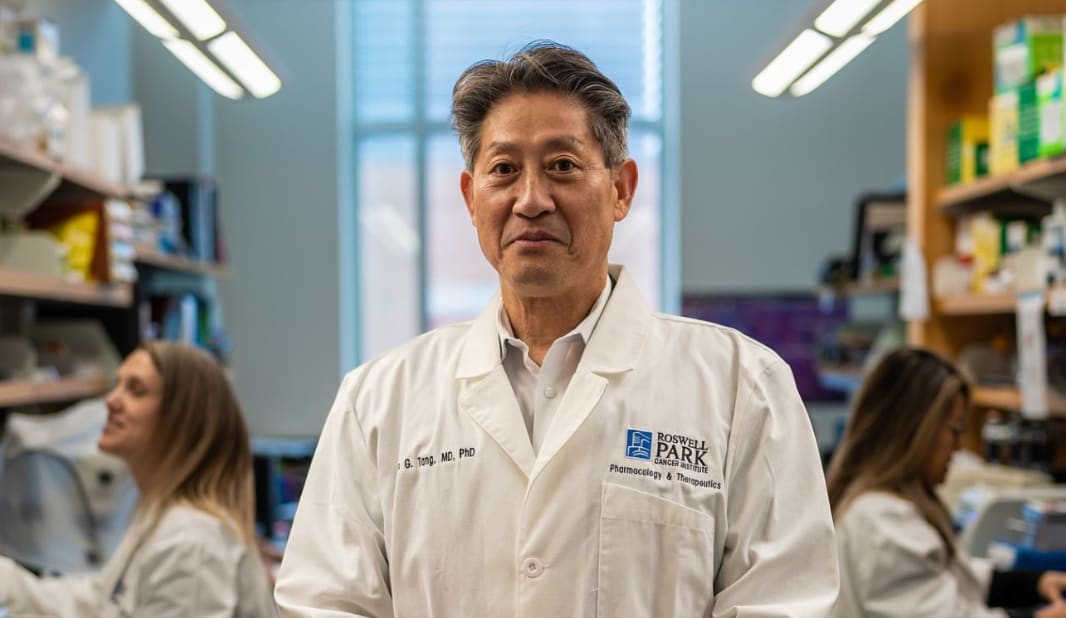
New Research Sheds Light on How Precancerous Lesions Form in the Pancreas
Discoveries about two metabolic enzymes could point the way to biomarkers, opportunities to prevent cancer.