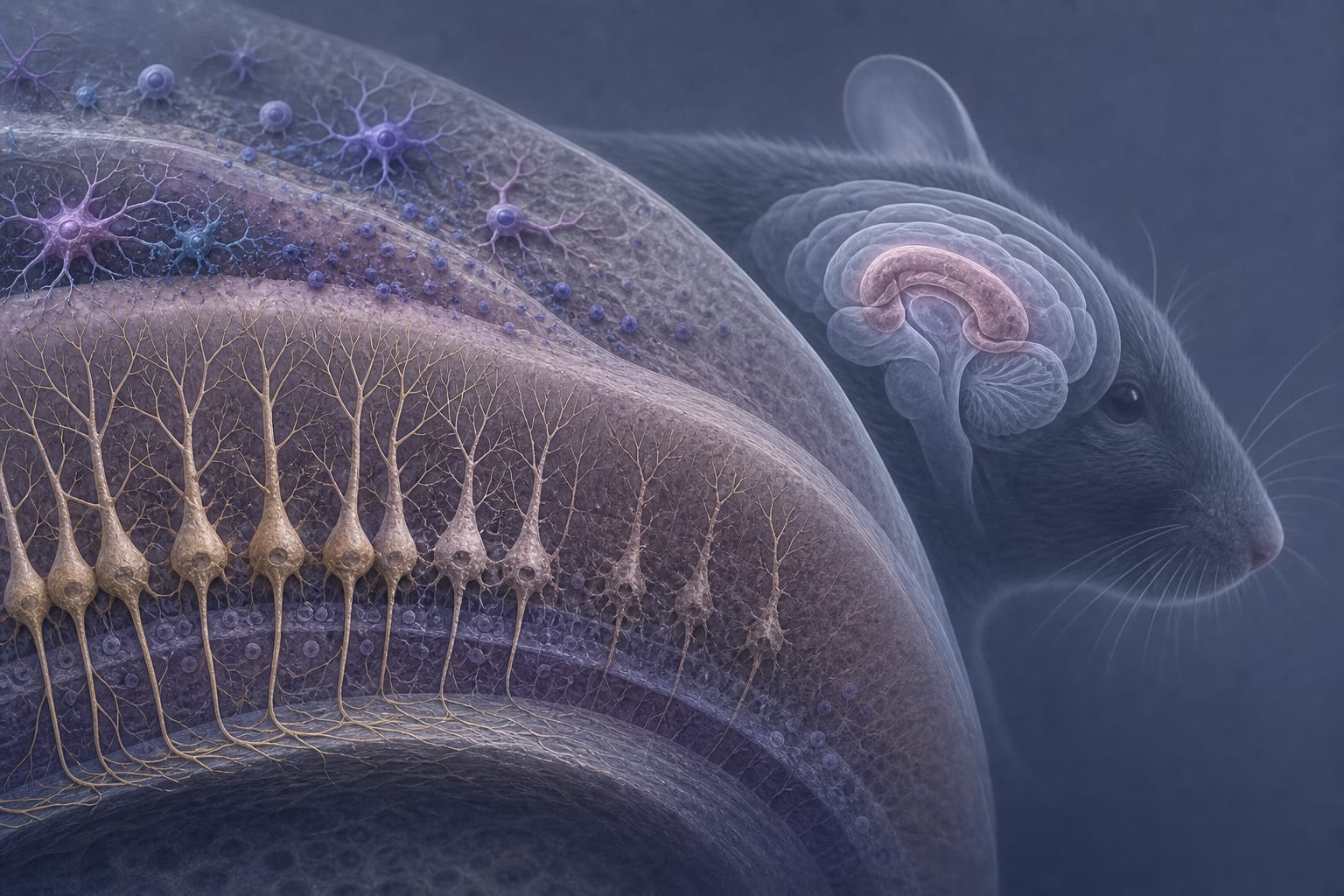
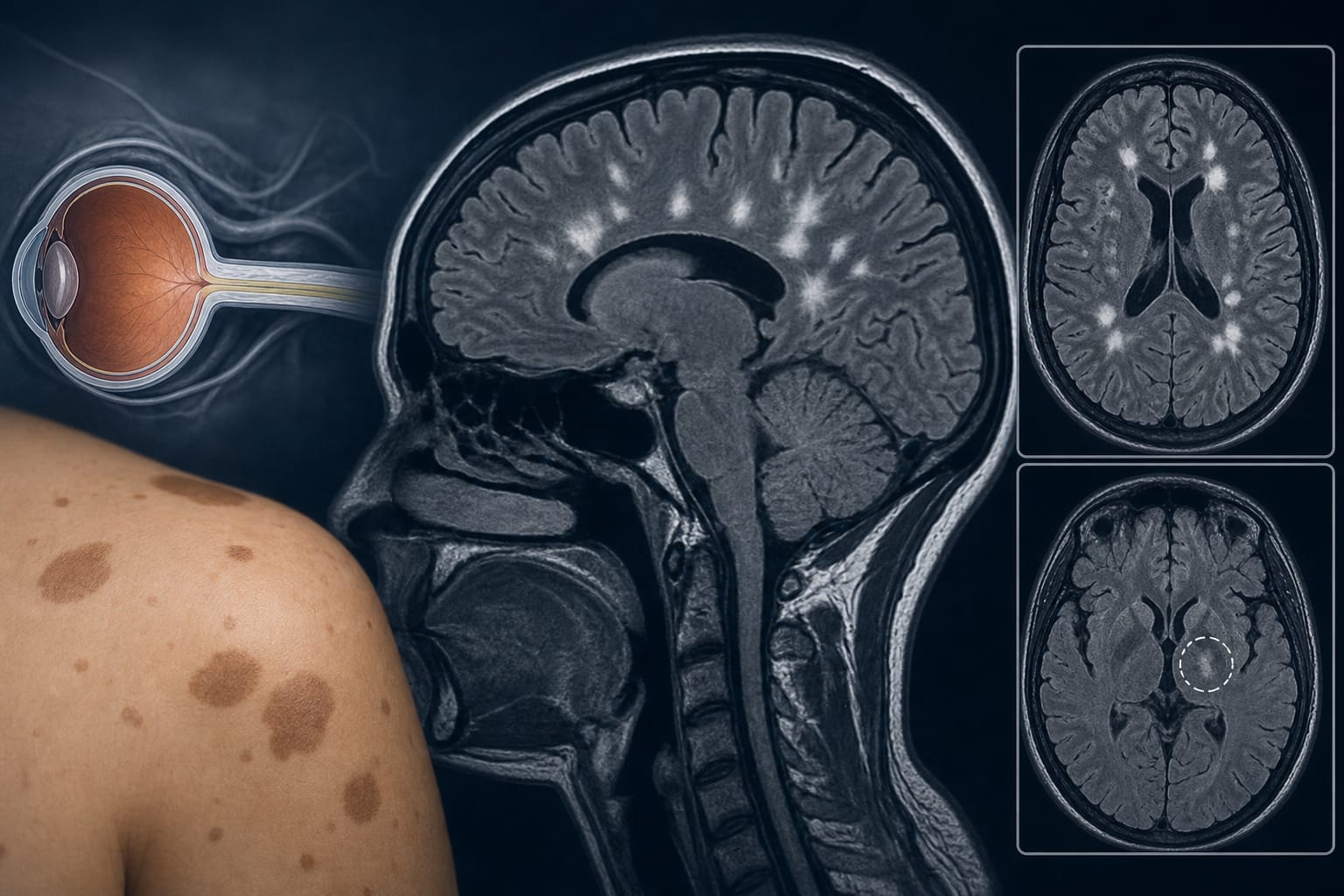
To investigate the structural, functional, and transcriptional changes in the hippocampus of EAE mice and their relation to PTSD-like symptoms, emphasizing the underlying mechanisms.
Key Findings:
EAE mice exhibited impaired fear extinction and contextual fear generalization, indicating PTSD-like behaviors.
Dorsal CA1 pyramidal neurons showed somatic atrophy and reduced firing gain, suggesting hippocampal hypoexcitability.
Chemogenetic reactivation of CA1 neurons improved extinction deficits, highlighting a potential therapeutic target.
Single-nucleus RNA sequencing revealed a neuroimmune-like transcriptional shift in CA1 excitatory neurons, with implications for understanding MS-PTSD comorbidity.
Interpretation:
The study links neuroinflammation-induced neuronal reprogramming to hippocampal dysfunction, suggesting that enhancing hippocampal excitability could be a therapeutic target for MS patients with PTSD-like symptoms, warranting further investigation.
Limitations:
The study is limited to a mouse model, which may not fully replicate human conditions, particularly in terms of neuroinflammatory responses.
Potential variability in individual responses to chemogenetic manipulation may affect the generalizability of the findings.
Conclusion:
Restoring hippocampal excitability may offer a new therapeutic avenue for addressing PTSD-like symptoms in MS patients.