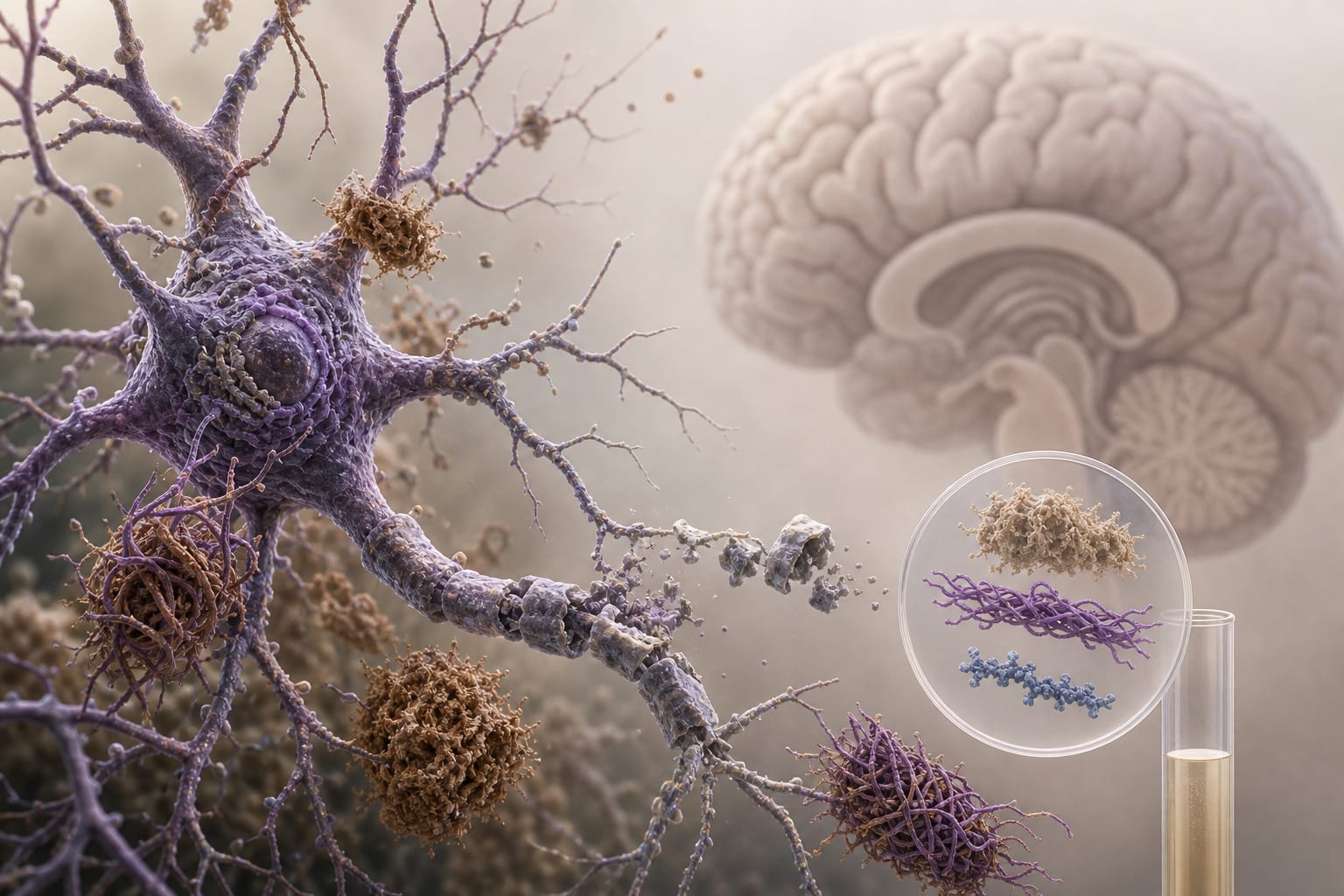
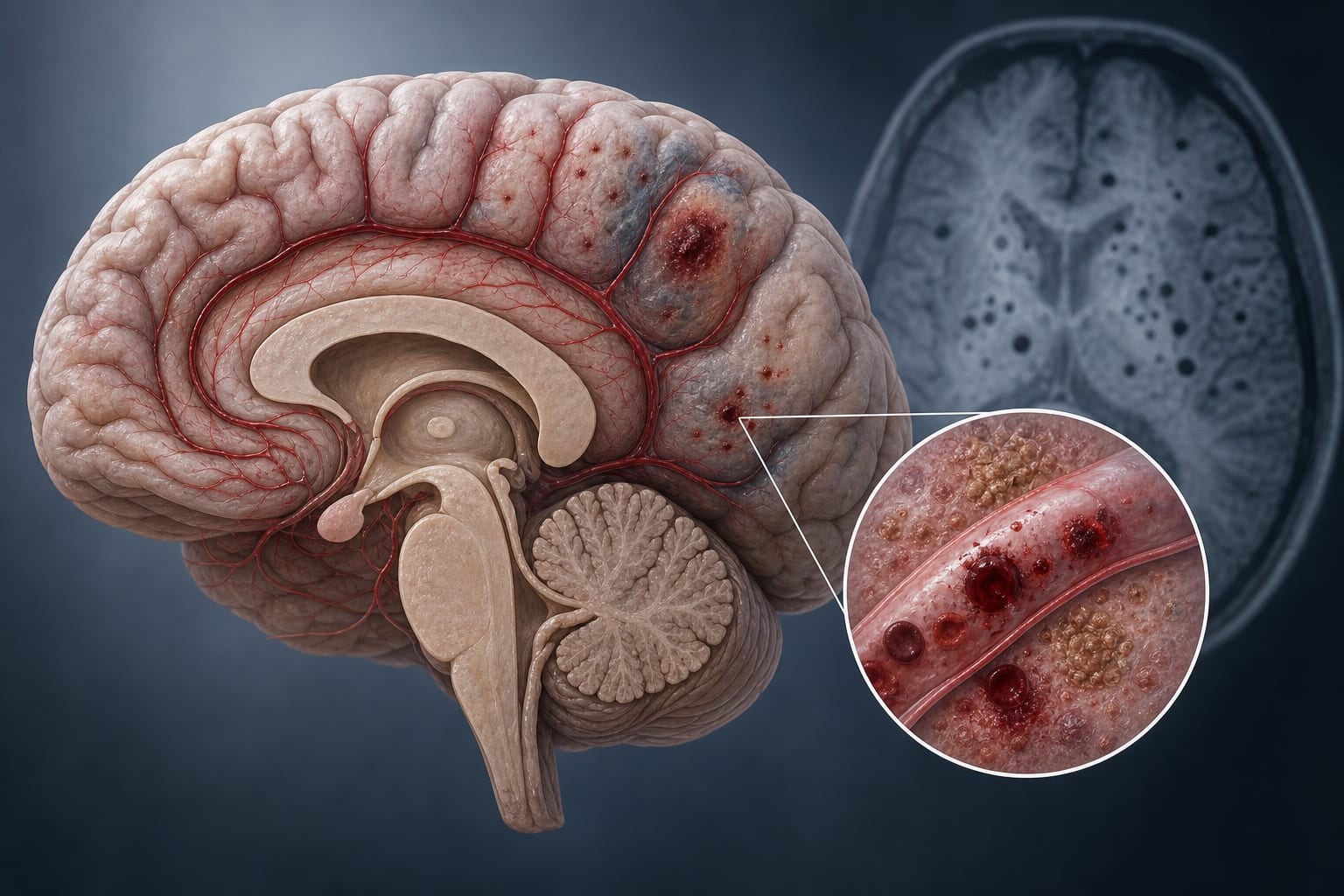
To analyze the association of blood-based neurodegenerative biomarkers, specifically amyloid-β, phosphorylated tau181, and neurofilament light chain (NfL), with cognitive function and mortality in centenarians.
Key Findings:
NfL levels are significantly associated with both cognitive function and mortality in centenarians, suggesting its potential as a key biomarker.
Traditional markers like amyloid-β and p-tau181 show limited correlation with cognitive performance in this age group, indicating a need for alternative assessments.
Centenarians often maintain cognitive function despite high levels of amyloid-β and p-tau181, highlighting the complexity of neurodegenerative processes in this population.
Interpretation:
The study suggests that NfL may serve as a more reliable biomarker for cognitive function and mortality risk in centenarians compared to traditional markers, due to its stronger associations observed in the analysis.
Limitations:
Limited generalizability due to the specific population of Japanese centenarians, which may not reflect other ethnic groups.
Potential bias in findings due to conditioning on age over 100, as well as unmeasured confounding factors that could influence cognitive outcomes.
Conclusion:
A comprehensive assessment of neurodegenerative biomarkers, particularly NfL, is crucial for understanding cognitive health and mortality in centenarians, and may inform future research directions and clinical practices.