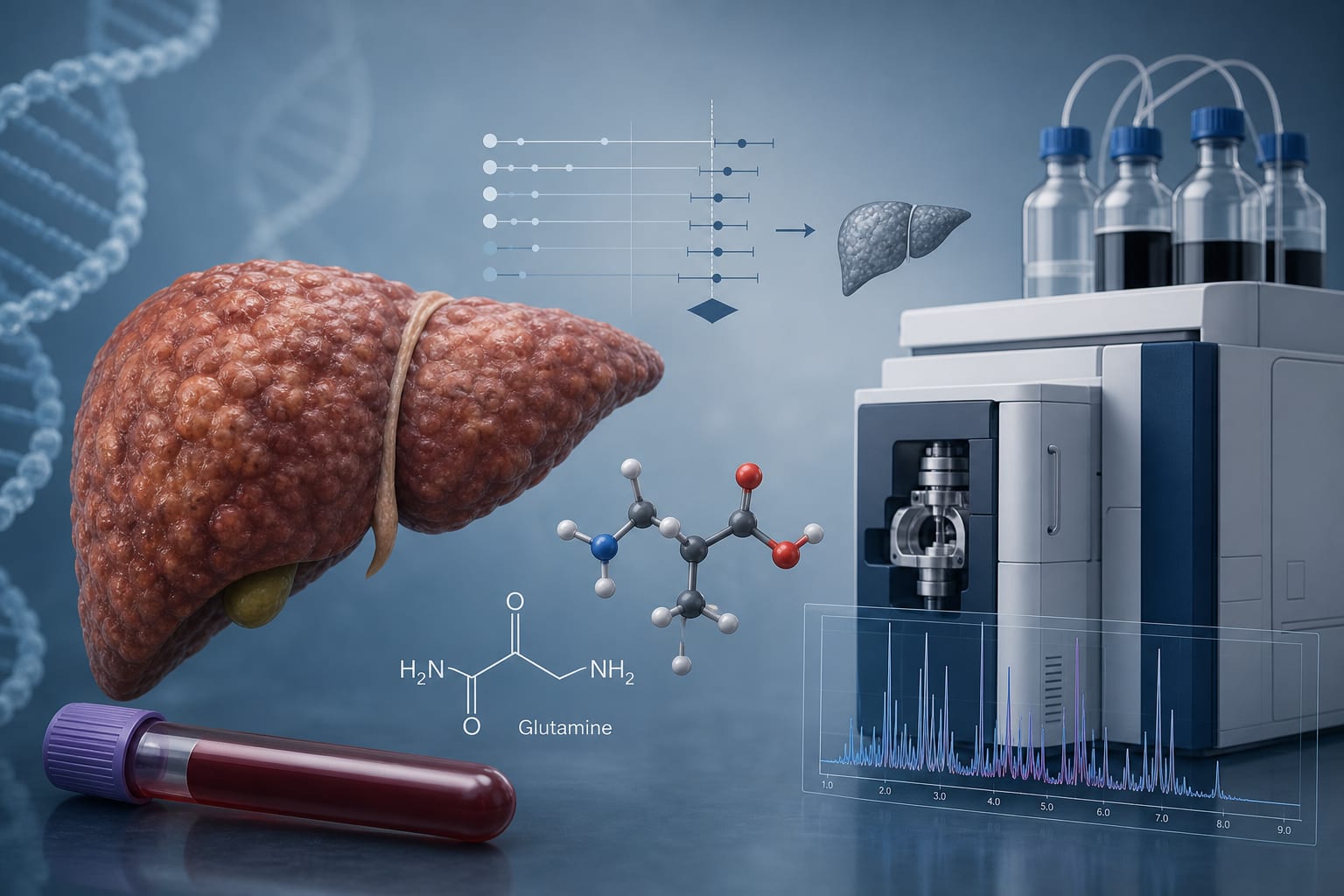
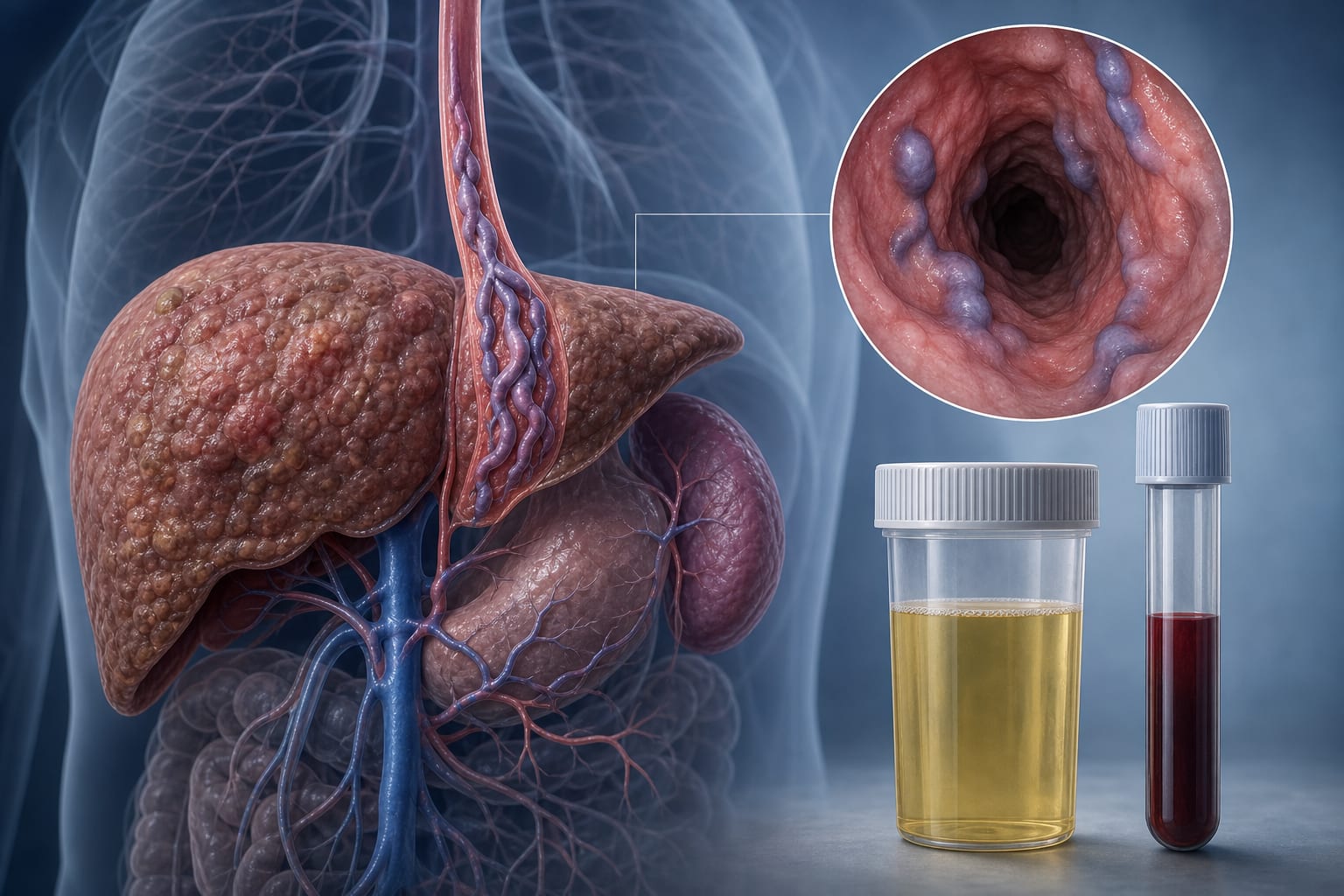
To explore the potential associations between blood metabolites and cirrhosis using Mendelian randomization (MR) combined with targeted metabolomics analysis.
Approach:
Mendelian Randomization Analysis: A two-sample MR analysis was conducted using genome-wide association study data to evaluate the associations of circulating metabolites with cirrhosis.
Statistical Methods: Statistical evaluations employed inverse variance-weighted models, MR-Egger regression, and sensitivity tests addressing pleiotropy and heterogeneity.
Targeted Metabolomics: Blood samples were collected from 10 patients with liver cirrhosis and 10 healthy controls, measuring blood amino acid concentrations using liquid chromatography–tandem mass spectrometry (LC–MS/MS).
Key Findings:
Increases in 11 metabolites/metabolic ratios were associated with elevated risks of liver cirrhosis.
Three metabolites were related to the prevention of liver cirrhosis.
Higher glutamine degradant levels were associated with a lower risk of cirrhosis (OR = 0.877, 95% CI: 0.784–0.981, p = 0.022).
Pathway analysis suggested involvement of arginine biosynthesis, proline metabolism, and nitrogen metabolism in metabolic alterations related to cirrhosis.
LC–MS/MS analysis showed lower glutamate and glutathione levels in patients with cirrhosis compared to controls.
Interpretation:
Limitations:
The study relies on observational data which may limit causal inference.
The sample size for targeted metabolomics was small, consisting of only 20 individuals.