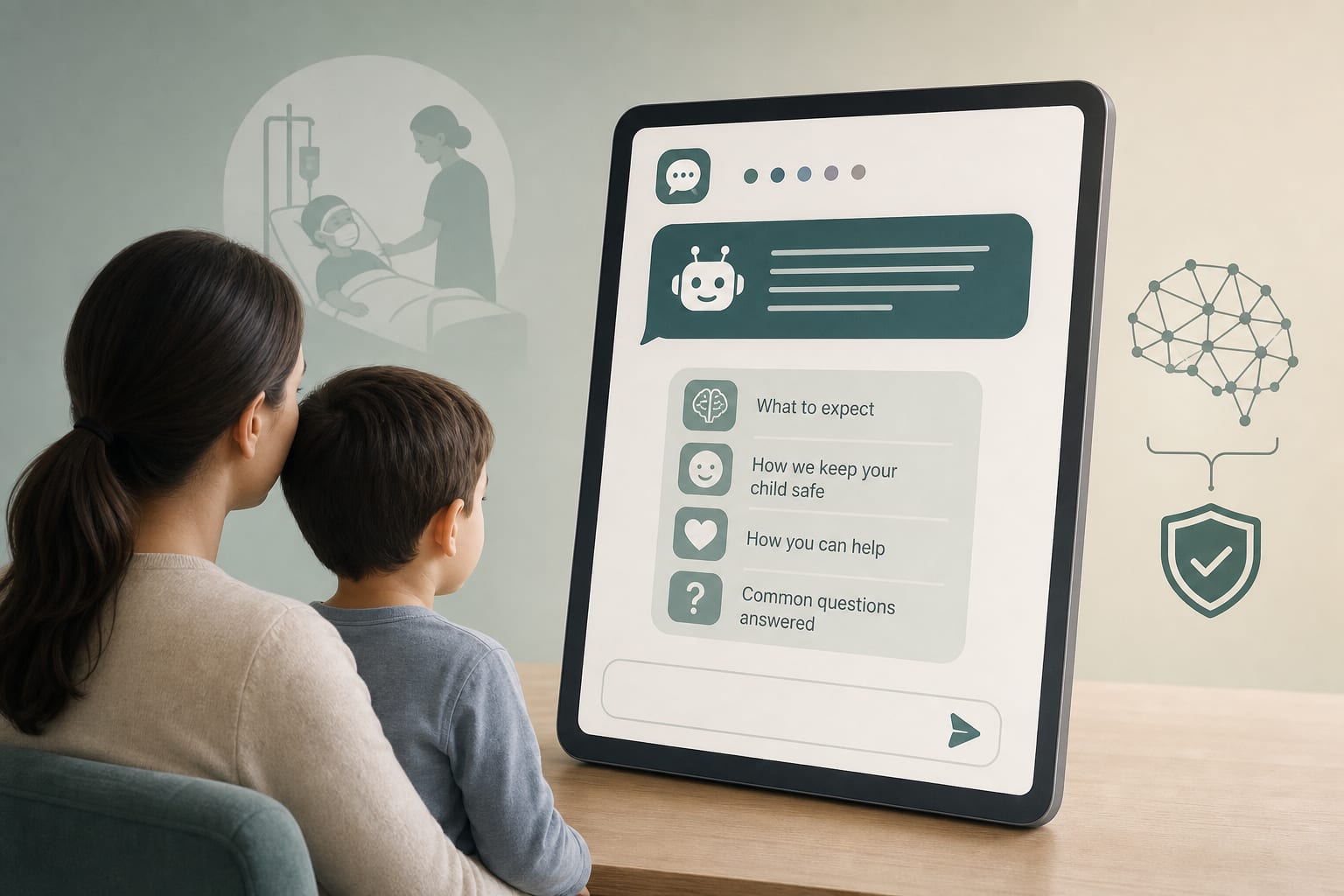
To evaluate the reliability and readability of five leading language models (LLMs) in providing information on pediatric anesthesia from the perspective of caregivers.
Approach:
Key Findings:
High parental anxiety regarding anesthesia is linked to inadequate information and can lead to adverse outcomes in pediatric patients.
LLMs have the potential to provide personalized responses but may generate inaccurate or misleading information.
The study emphasizes the need for rigorous validation of LLMs before clinical adoption, particularly in high-stakes areas like pediatric anesthesia.
Interpretation:
The findings highlight the importance of assessing LLMs for accuracy and reliability in providing information to parents about pediatric anesthesia, given the potential risks associated with misinformation.
Limitations:
The study did not involve patient data or direct human subjects, limiting the applicability of findings to real-world scenarios.
The proprietary nature of the LLMs means that their internal training data and architecture are not publicly accessible, which may affect reproducibility.
Conclusion:
The study aims to provide evidence-based recommendations for parents and assist anesthesiologists in integrating reliable LLM resources into pediatric perioperative education.
Online interest in leucovorin, folate products, and acetaminophen-related autism concerns increased markedly in the 2 weeks following the White House announcement.