Neuroinflammatory mechanisms and pharmacological advances in autism spectrum disorder: from inflammatory pathways to targeted interventions - Summary - MDSpire
To synthesize evidence on neuroinflammation's role in Autism Spectrum Disorder (ASD) and propose targeted therapeutic interventions that could improve clinical outcomes.
Key Findings:
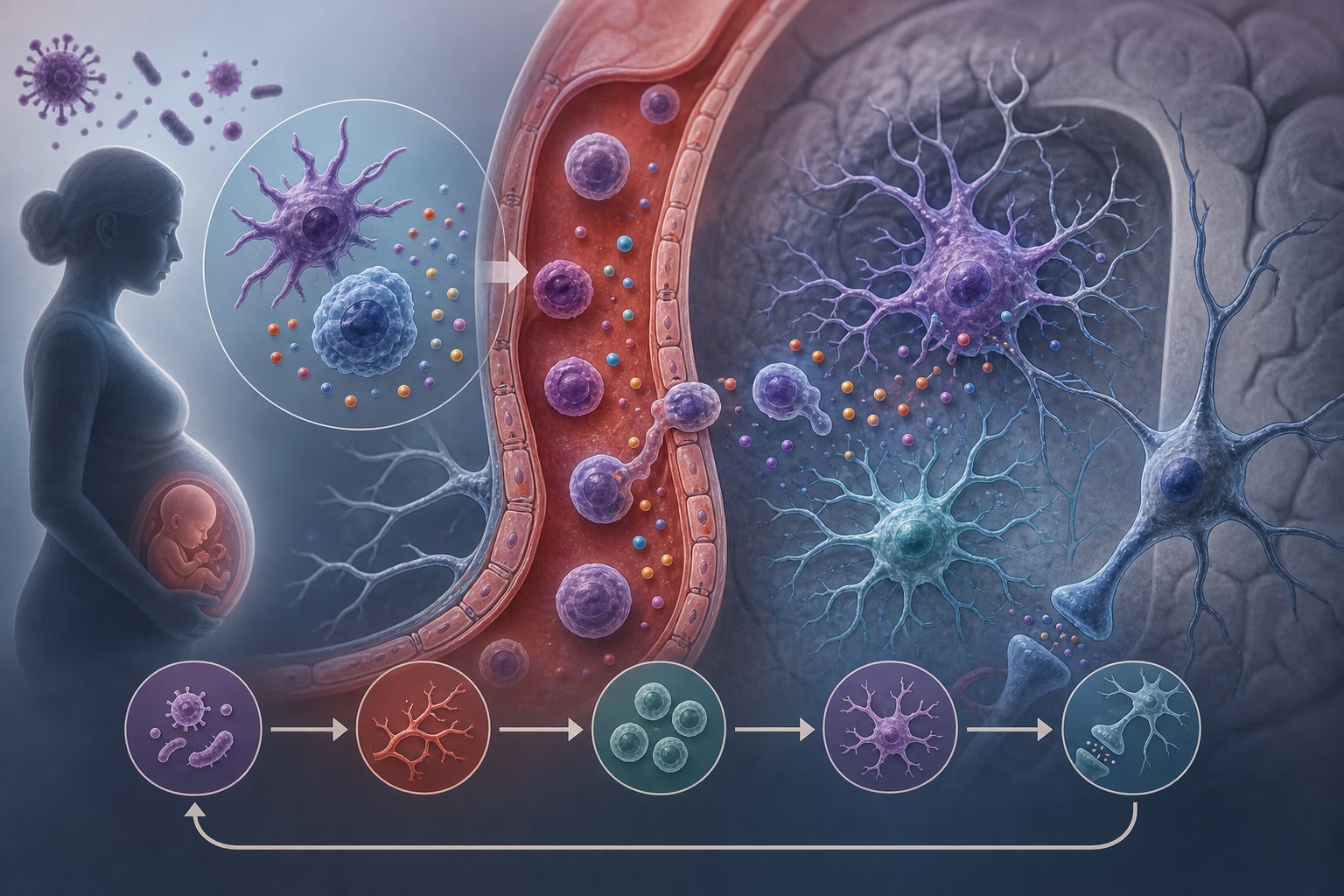
Neuroinflammation in ASD follows a cascade from peripheral immune perturbation to central nervous system amplification.
Key inflammatory pathways include NF-κB, JAK/STAT, MAPK/ERK, and others that disrupt synaptic homeostasis.
Candidate interventions target various inflammatory pathways, such as IL-6/IL-17 signaling and glial modulation, aiming to restore immune balance and neural function.
Interpretation:
The PC-ICAM framework provides a structured understanding of neuroinflammation in ASD, highlighting the need for multi-targeted therapeutic strategies rather than single anti-inflammatory approaches, and suggesting directions for future research.
Limitations:
Current understanding of neuroinflammation's dynamic features across developmental stages is incomplete, necessitating urgent research efforts.
The molecular networks linking inflammation to neural dysfunction require further investigation to clarify their roles.
Conclusion:
A comprehensive approach to ASD treatment should integrate multiple mechanism-based interventions targeting neuroinflammation to improve outcomes.