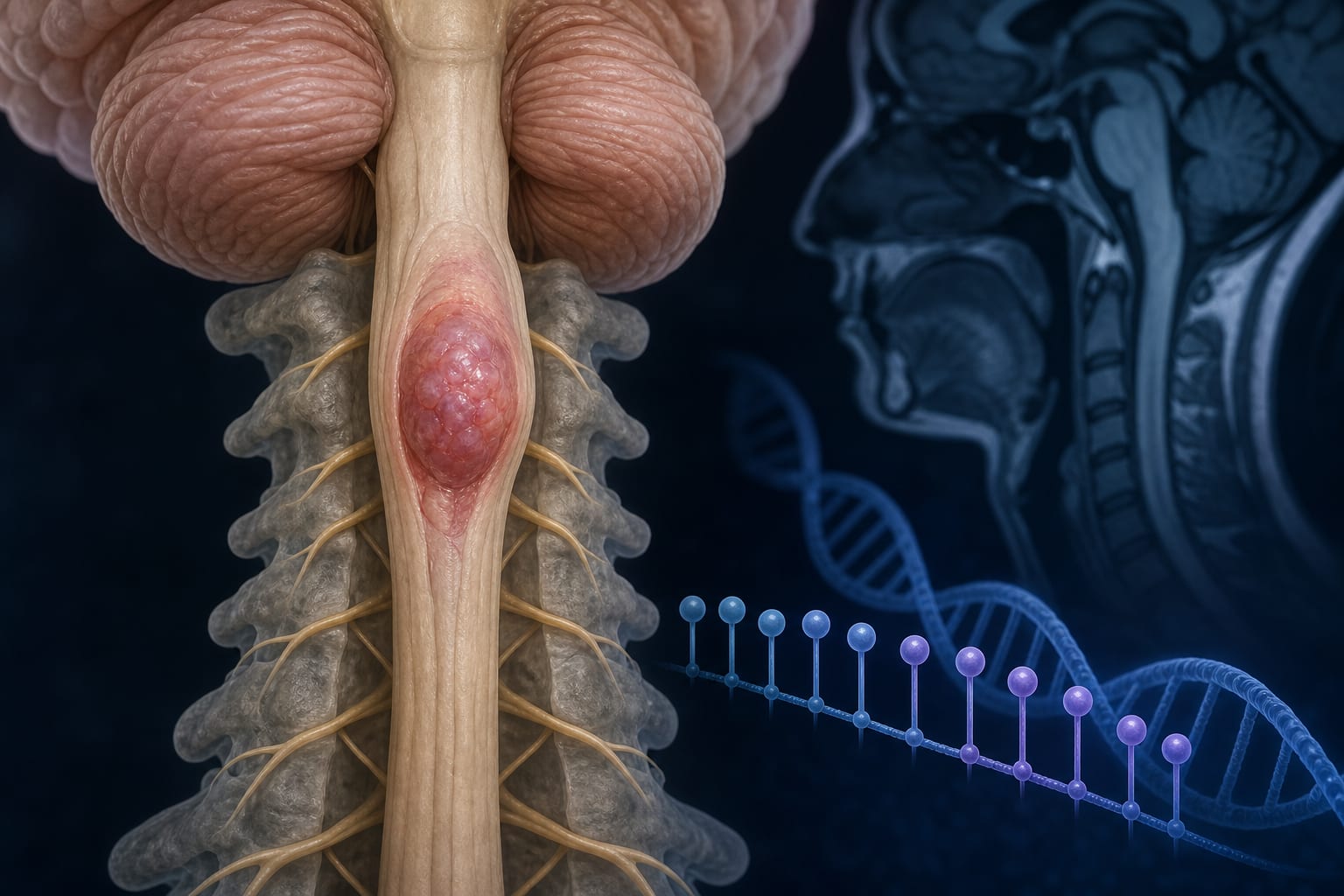
To evaluate survival over time for primary brain and other CNS tumors from 2004 to 2017 using comprehensive survival data, highlighting trends and disparities.
Key Findings:
The 5-year relative survival rate for primary malignant brain tumors was 66.9%, showing a trend of improvement over the study period.
Non-malignant tumors had a 5-year relative survival rate of 92.1%.
Survival rates were higher for younger age groups (0–14 years and 15–39 years) compared to those aged 40 and older, indicating a significant age-related trend.
Females generally had better survival outcomes than males, suggesting a need for further investigation into gender disparities.
Survival rates varied significantly by tumor site and histopathology, with pilocytic astrocytoma showing the best prognosis and glioblastoma the worst.
Interpretation:
Survival outcomes for primary brain and CNS tumors have improved over time, particularly for younger patients, but significant disparities based on age, sex, and race/ethnicity highlight areas for future research.
Limitations:
The study may not capture all variables affecting survival, such as socioeconomic factors and access to care.
Histopathological classification may vary over time and across institutions, potentially impacting survival data.
Conclusion:
Overall survival rates for primary brain and CNS tumors have shown improvement from 2004 to 2017, but significant disparities remain based on demographic factors and tumor characteristics, necessitating targeted interventions.