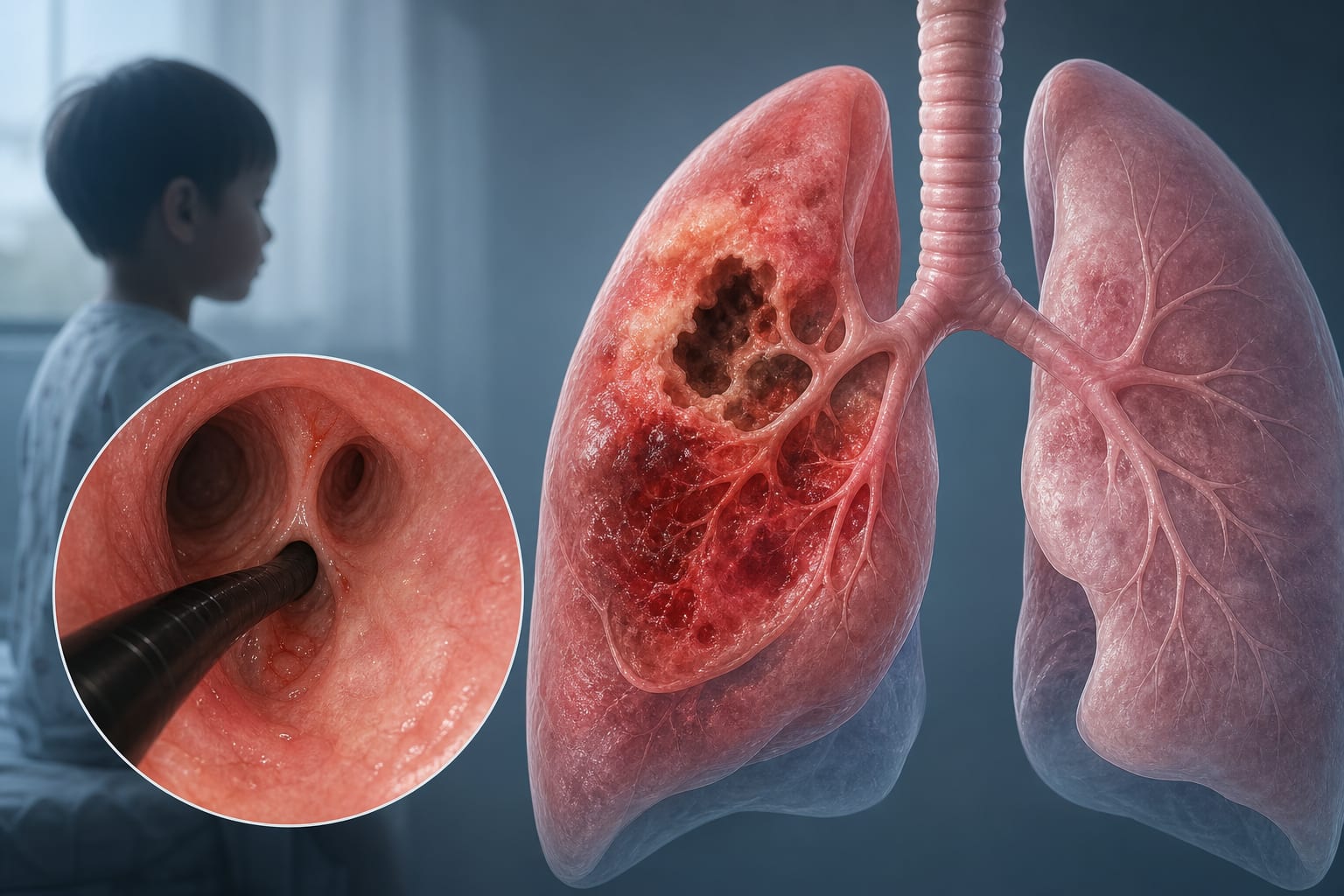
To identify clinical risk factors and characterize associated features of necrotizing pneumonia (NP) in children with severe pneumonia.
Key Findings:
33 children with NP were included in the study.
Significant differences in clinical features between NP and NNP groups included duration of fever, hemoptysis, wheezing, chest pain, duration of corticosteroid use after admission, and various laboratory markers.
Chest pain, elevated WBC, and increased FDPs were identified as independent risk factors for NP.
The predictive model combining these factors showed an AUC of 0.941 with sensitivity and specificity of 87.88%.
Interpretation:
Chest pain, elevated WBC, and increased FDPs may serve as critical indicators for identifying children at higher risk for necrotizing pneumonia, aiding in clinical assessment and management.
Limitations:
Single-center study may limit generalizability.
Retrospective design may introduce selection bias, potentially affecting the reliability of the findings.
Conclusion:
Identifying specific clinical features and risk factors can enhance early detection and management of necrotizing pneumonia in pediatric patients.