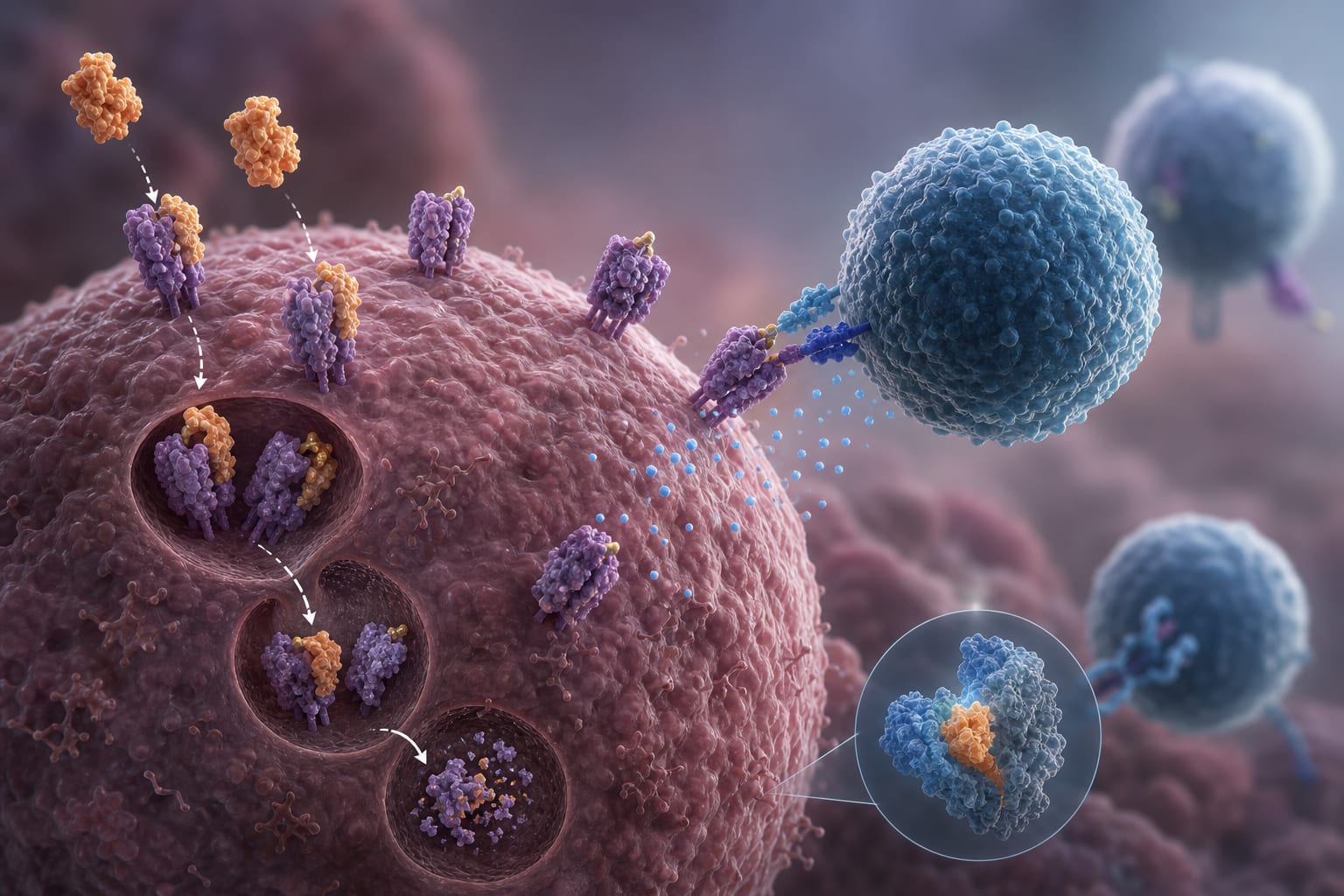
To compile and analyze data on ocular toxicity associated with antibody-drug conjugates (ADCs) in cancer treatment, emphasizing the clinical significance of these toxicities.
Key Findings:
Ocular toxicity is a significant dose-limiting factor for several ADCs, with over 50% of patients experiencing treatment discontinuation due to ocular adverse events, particularly in agents like [specific ADC examples].
The cytotoxic payload of ADCs, particularly microtubule inhibitors and DNA-damaging agents, is a major contributor to ocular toxicity.
Current FDA boxed warnings highlight the ocular adverse effects of specific ADCs, indicating the clinical importance of monitoring these toxicities.
Interpretation:
Ocular toxicity from ADCs can severely impact patient quality of life and treatment adherence, necessitating improved understanding and management strategies to enhance future ADC development.
Limitations:
Limited systematic knowledge regarding the mechanisms and clinical manifestations of ADC-induced ocular toxicity, highlighting the need for further research.
Insufficient data on long-term outcomes and effective management strategies for ocular adverse events.
Conclusion:
A comprehensive understanding of ocular toxicity and innovative approaches in ADC design may enhance patient outcomes and reduce the incidence of ocular adverse effects, underscoring the need for ongoing research in this area.