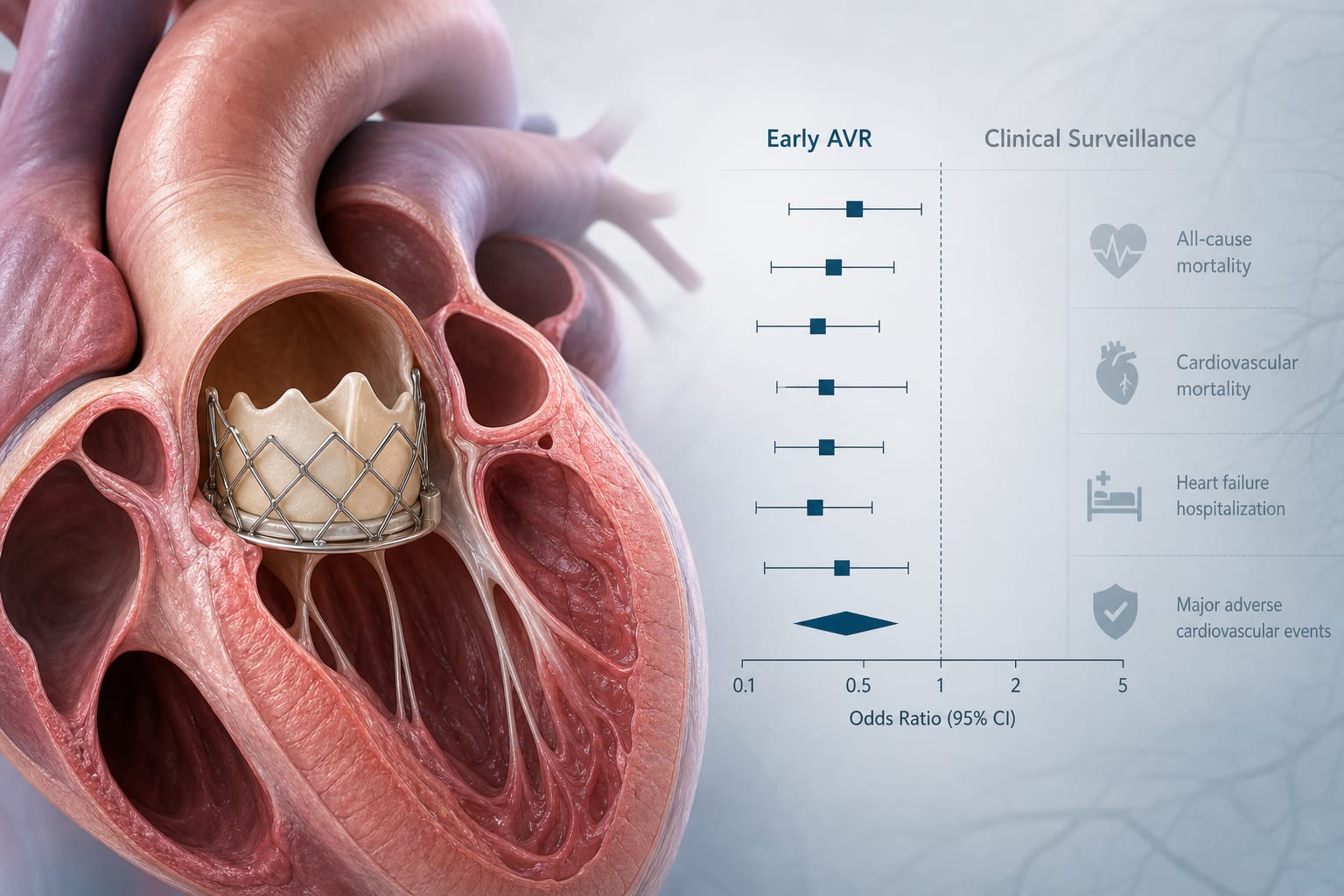
To synthesize existing evidence on predictive machine learning (ML) models for valvular heart disease (VHD) and examine their application across clinical tasks, data modalities, and validation settings.
Approach:
Systematic Review: Conducted a systematic review following PRISMA guidelines, searching PubMed, Web of Science, and Embase from 2014 to 2025 for articles on ML in VHD.
75 studies (38.5%) developed single-lesion models for aortic stenosis.
86% of studies used retrospective datasets, and 79% relied on internal validation.
16 studies (8.2%) developed multimodal models, showing a 6.3 percentage point increase in average performance compared to unimodal models within the same cohort.
Interpretation:
Limitations:
Translation of ML models into clinical practice is sparse.
Need for large, multicenter datasets to validate and standardize data-driven VHD management.
Conclusion:
Multimodal ML models are emerging, but further validation is required for clinical application.