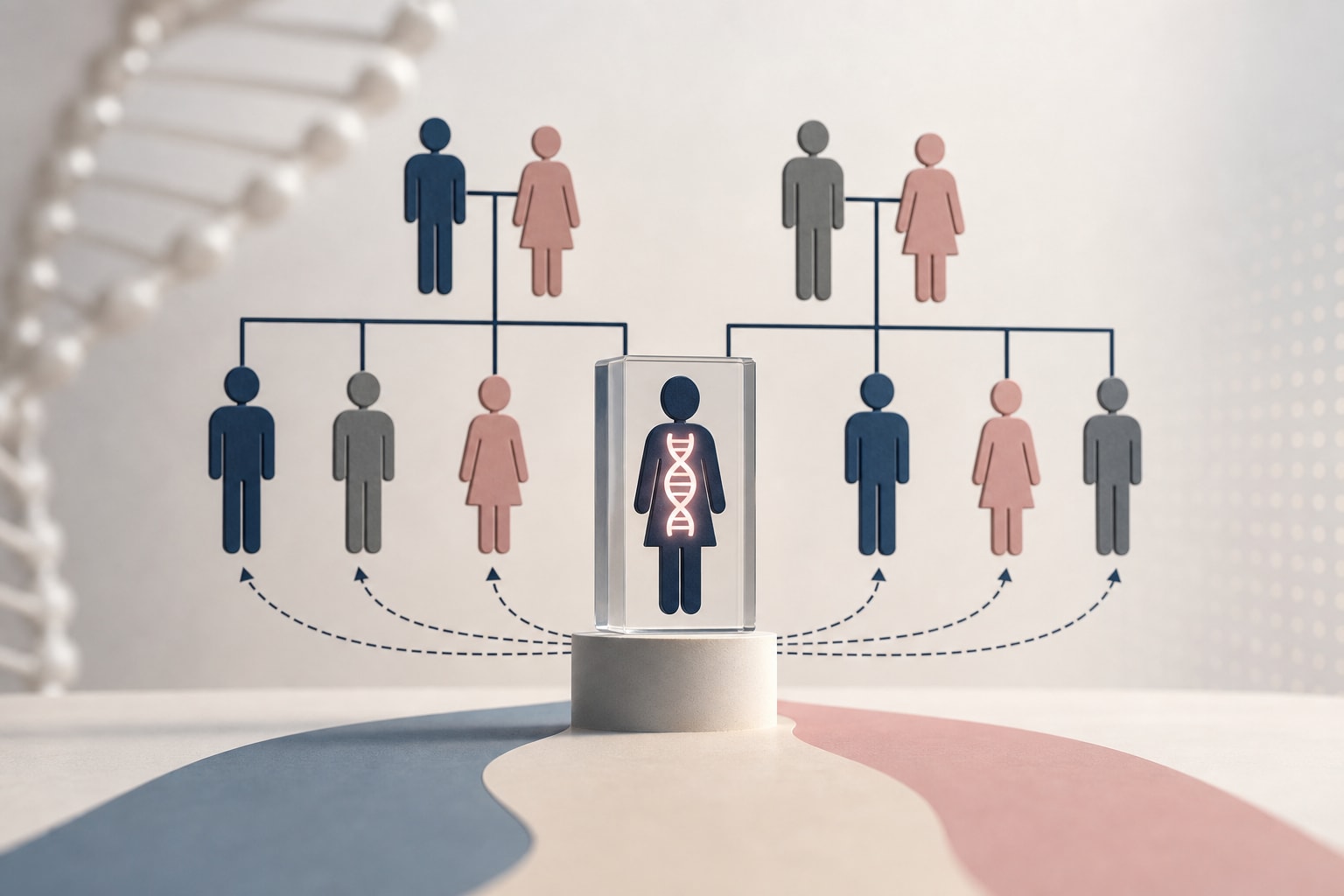
To evaluate the uptake of cascade genetic screening among probands with hereditary breast and ovarian cancer (HBOC) and Lynch syndrome (LS) and identify factors associated with this uptake.
Approach:
Study Design: A retrospective cross-sectional study involving nearly 23,000 probands with diagnostic variants in LS- or HBOC-associated genes.
Key Findings:
Fewer than 1 in 4 probands had a relative undergo cascade testing (24.24%).
Female probands were more likely to have relatives undergo testing compared to male probands (25.02% vs 20.62%).
Non-Hispanic White probands had the highest rates of cascade testing (27.19%), while African American or Black probands had the lowest (16.15%).
Offering free testing did not significantly improve cascade testing rates (23.39% before vs 24.59% after free testing).
Direct contact with at-risk relatives increased uptake to 53%, compared to 36% with proband-led screening.
Interpretation:
The study highlights significant barriers to cascade genetic screening, including demographic factors, methods of informing relatives, and economic considerations, which contribute to low uptake rates.
Limitations:
The study may have underestimated the number of family members screened as it only captured testing linked to the same commercial laboratory.
Proband-led screening relies on individuals who may not feel equipped to inform relatives about genetic risks.
Conclusion:
Low uptake of cascade testing limits early diagnosis and treatment opportunities for individuals at high risk of cancer, necessitating further research to address barriers.