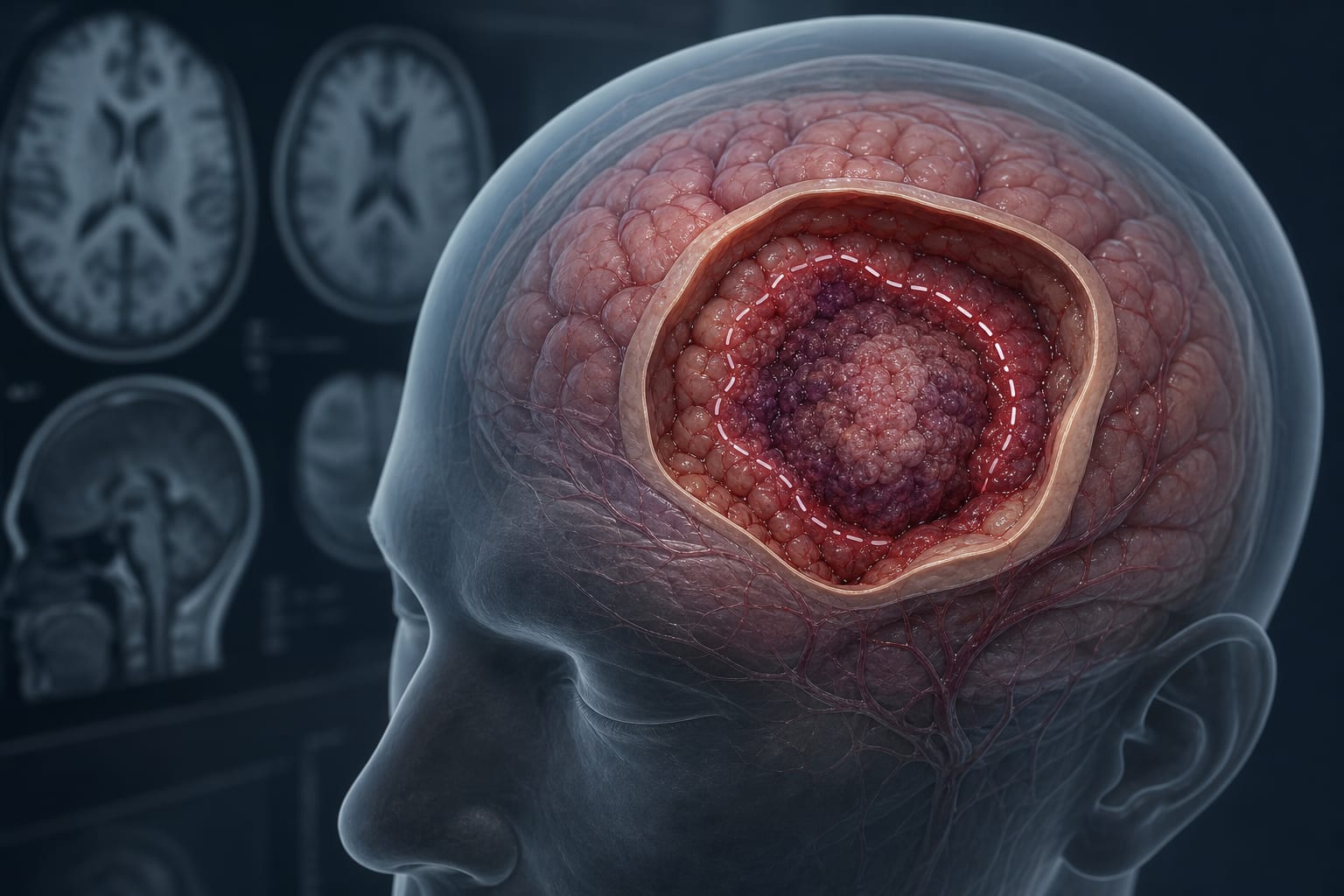
To describe a technique for preserving cognitive function during glioma surgery in patients who are not eligible for awake craniotomy due to specific clinical or anatomical factors.
Key Findings:
Intraoperative mapping can preserve cognitive functions even when awake craniotomy is not feasible, which is critical for patient quality of life.
Electrical stimulation parameters can effectively localize motor pathways and protect adjacent cognitive structures, ensuring better surgical outcomes.
All three cases resulted in successful tumor resections without new neurological deficits, demonstrating the technique's effectiveness.
Interpretation:
The described technique offers a viable alternative for glioma surgery in patients unable to undergo awake procedures, ensuring the preservation of cognitive functions.
Limitations:
The technique may not be applicable to all patients due to varying anatomical and clinical factors, such as tumor location and patient tolerance.
Brain shift during large tumor resections can complicate neuronavigation accuracy, potentially impacting surgical outcomes.
Conclusion:
Indirect cognitive mapping is a promising approach for glioma surgery, allowing for the safe resection of tumors while minimizing the risk of cognitive deficits.
A VHA study across 11 vendors finds AI-generated primary care notes score lower than clinician-written notes, with the largest deficits in thoroughness, organization, and usefulness