Original Source(s)

Related Content
Study Reassures on Safety of Early NSAID Use
A large cohort found no adjusted link to major congenital malformations, but questions remain for miscarriage, later pregnancy, and other outcomes.
by Kerri Miller
June 9, 2026
-
8 min

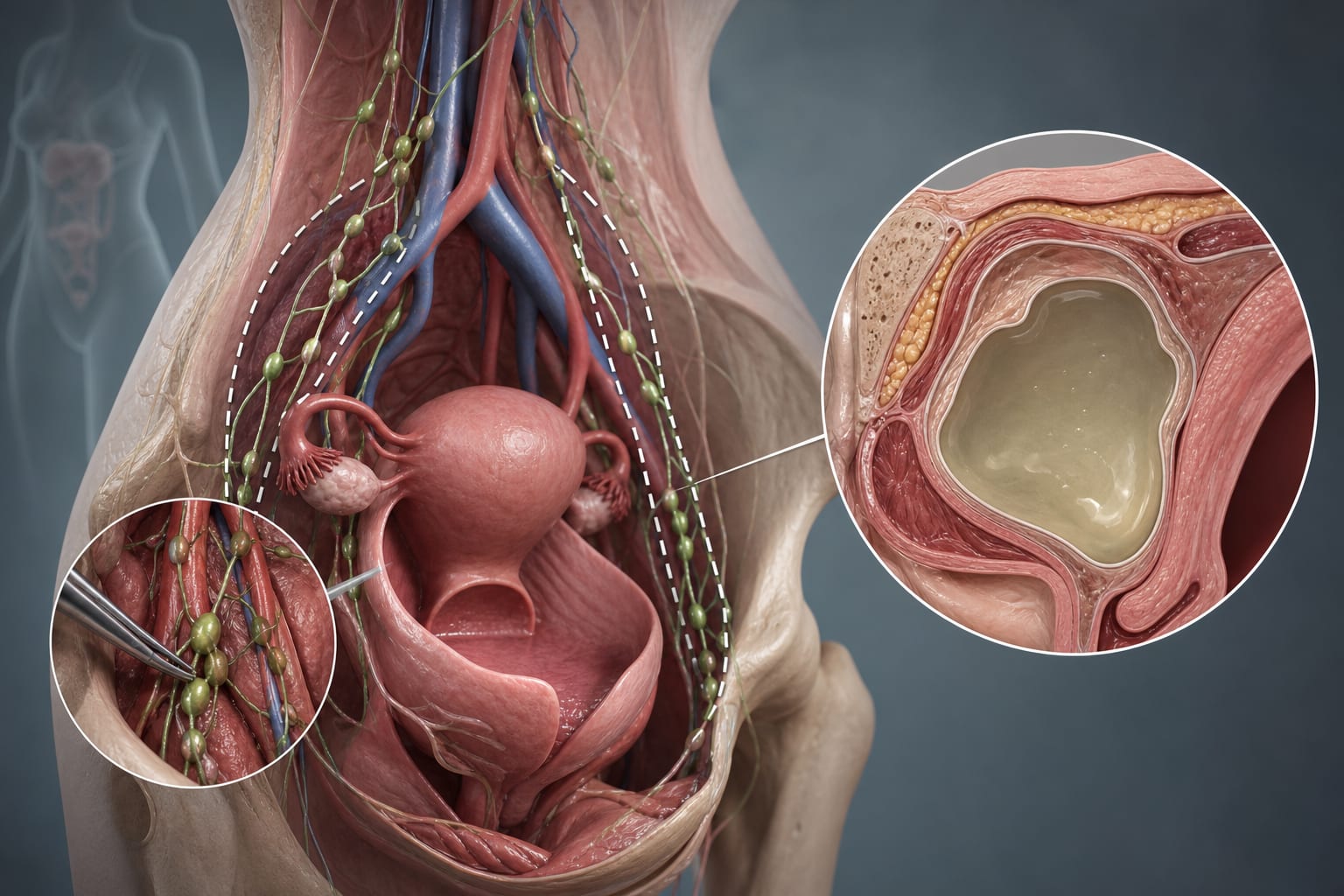
Risk factors associated with postoperative lymphocele in patients with gynecological malignant tumors: a systematic review and meta-analysis
by Ting-yu Zhao, Wen Jiang, Jia-min Liu, Zhi-yi Liu, Ping Xie
June 10, 2026
Top 10 States for Early-Career Physicians
These 10 states reported physician residency completion totals, physician retention rates, or residency Match fill rates identified in graduate medical education data.
June 1, 2026
-
3 min