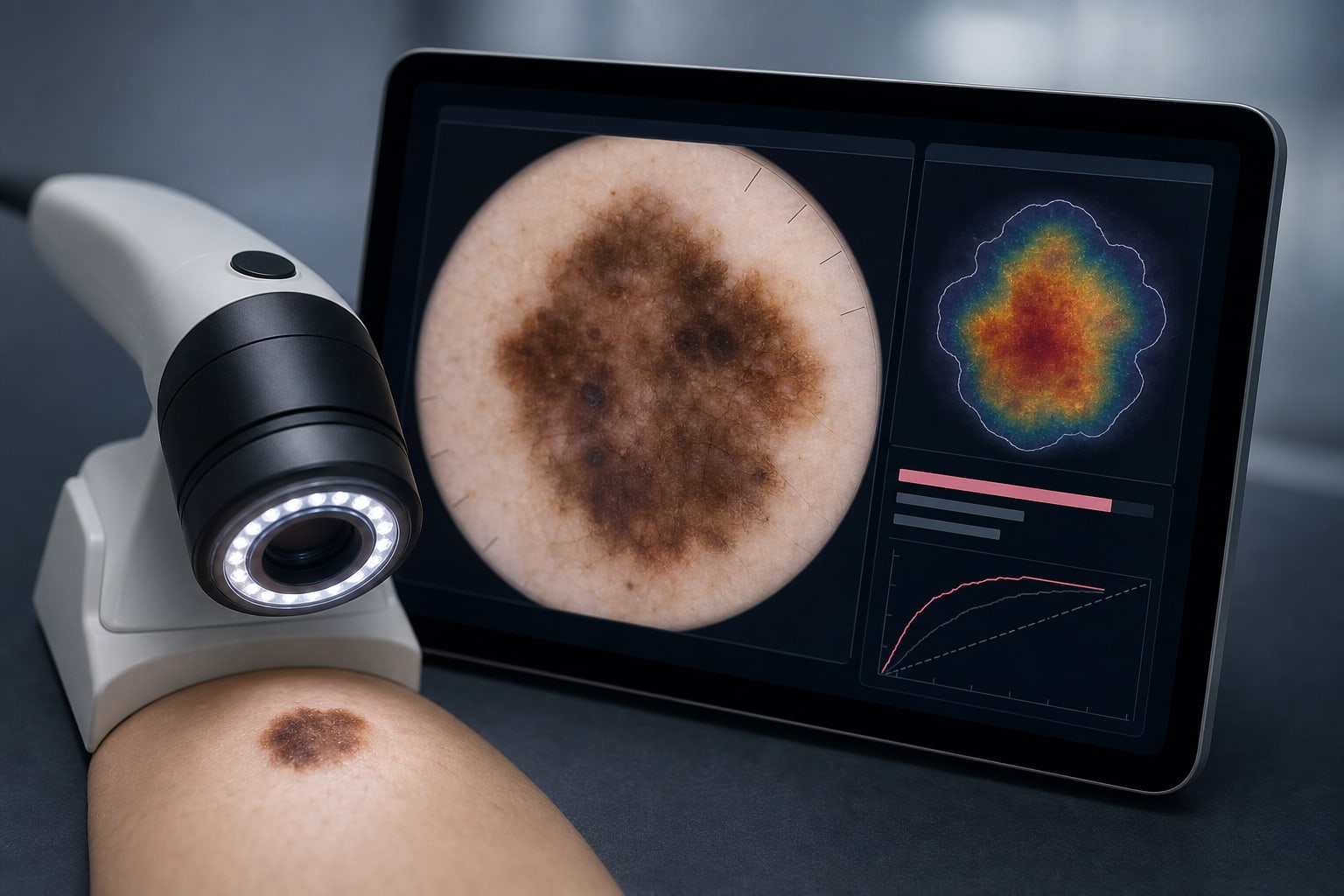
To examine the cumulative incidence and factors associated with the development of a second primary cancer (including melanoma and other types) after a first primary melanoma diagnosis.
Key Findings:
23.7% of individuals developed a second primary cancer after a first primary melanoma, indicating a significant risk.
12.7% developed a second primary invasive or in situ melanoma (mean 5-year risk: 7.6%), highlighting the need for vigilant monitoring.
Common second primary cancers included prostate (mean 5-year risk: 2.8%), breast (0.7%), and colon cancers (0.6%), which are critical for patient education.
Interpretation:
The study highlights the significant risk of developing a second primary melanoma and other cancers post-initial melanoma diagnosis, emphasizing the need for ongoing surveillance and tailored patient education.
Limitations:
Data on non-melanoma skin cancers were not included, which may underestimate the total cancer burden.
The analysis focused only on individuals aged 18 and older, limiting the generalizability of findings to younger populations.
Conclusion:
Patients with a first primary melanoma require long-term surveillance for second primary cancers, particularly melanoma.