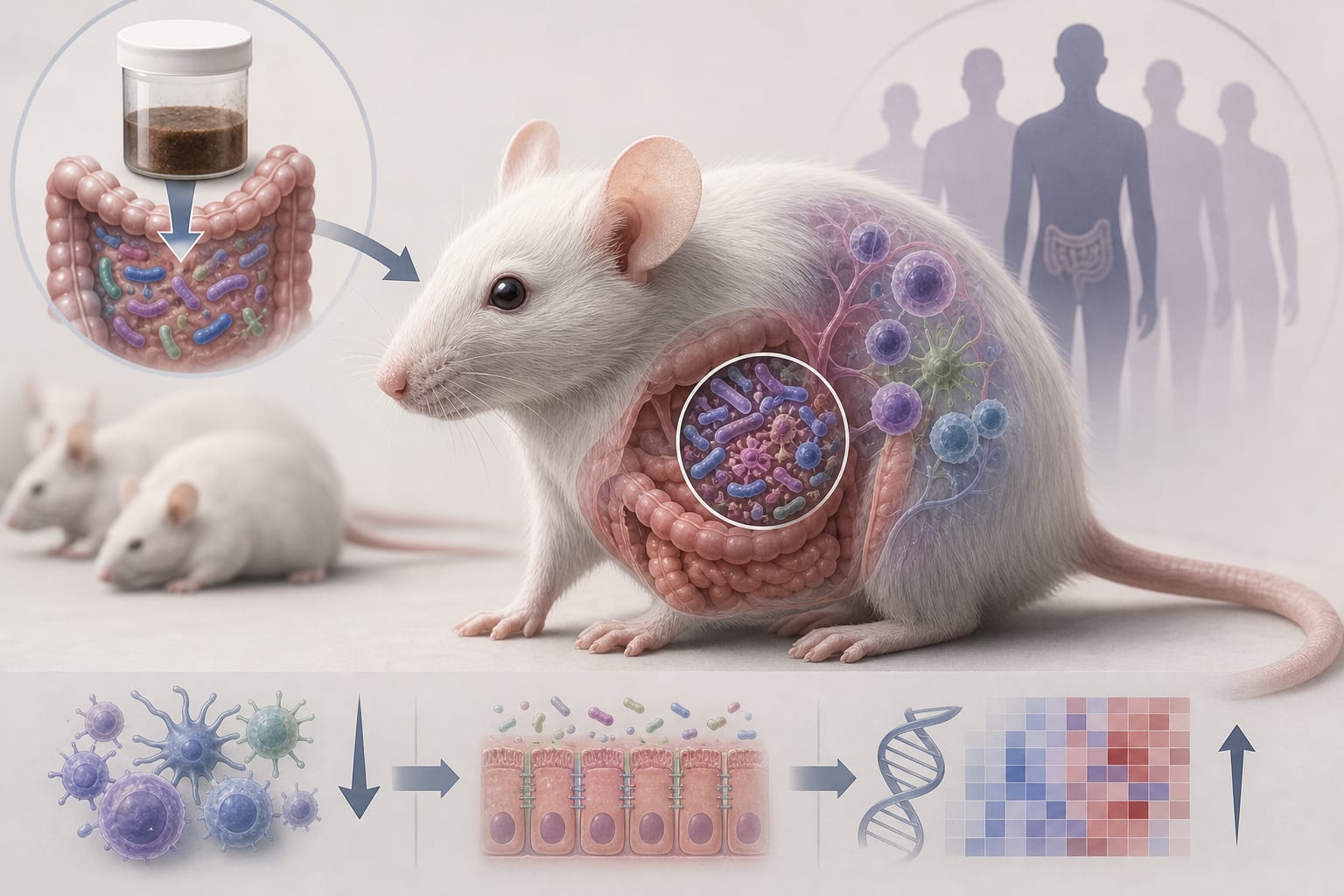
To evaluate the potential of human fecal microbiota transplantation (FMT) as an adjunctive therapy to restore gut health and attenuate inflammation and immune activation in people living with HIV (PLWH) on antiretroviral therapy (ART).
Key Findings:
FMT increased the relative abundance of beneficial bacteria in ART-treated mice.
Transcriptomic analysis revealed upregulation of genes associated with cellular structure and tissue maintenance.
Significant reduction in plasma inflammatory markers (CD62E, sCD14, sCD163, FABP2) was observed in the FMT group compared to ART alone.
Interpretation:
FMT may serve as a promising adjunctive strategy for mitigating systemic inflammation by improving gut health in PLWH on ART.
Limitations:
The study was conducted in a mouse model, which may not fully replicate human responses.
Clinical implications and long-term effects of FMT in humans remain to be established.
Conclusion:
FMT may contribute to the reduction of comorbidities in PLWH on ART by alleviating inflammation and restoring gut health.