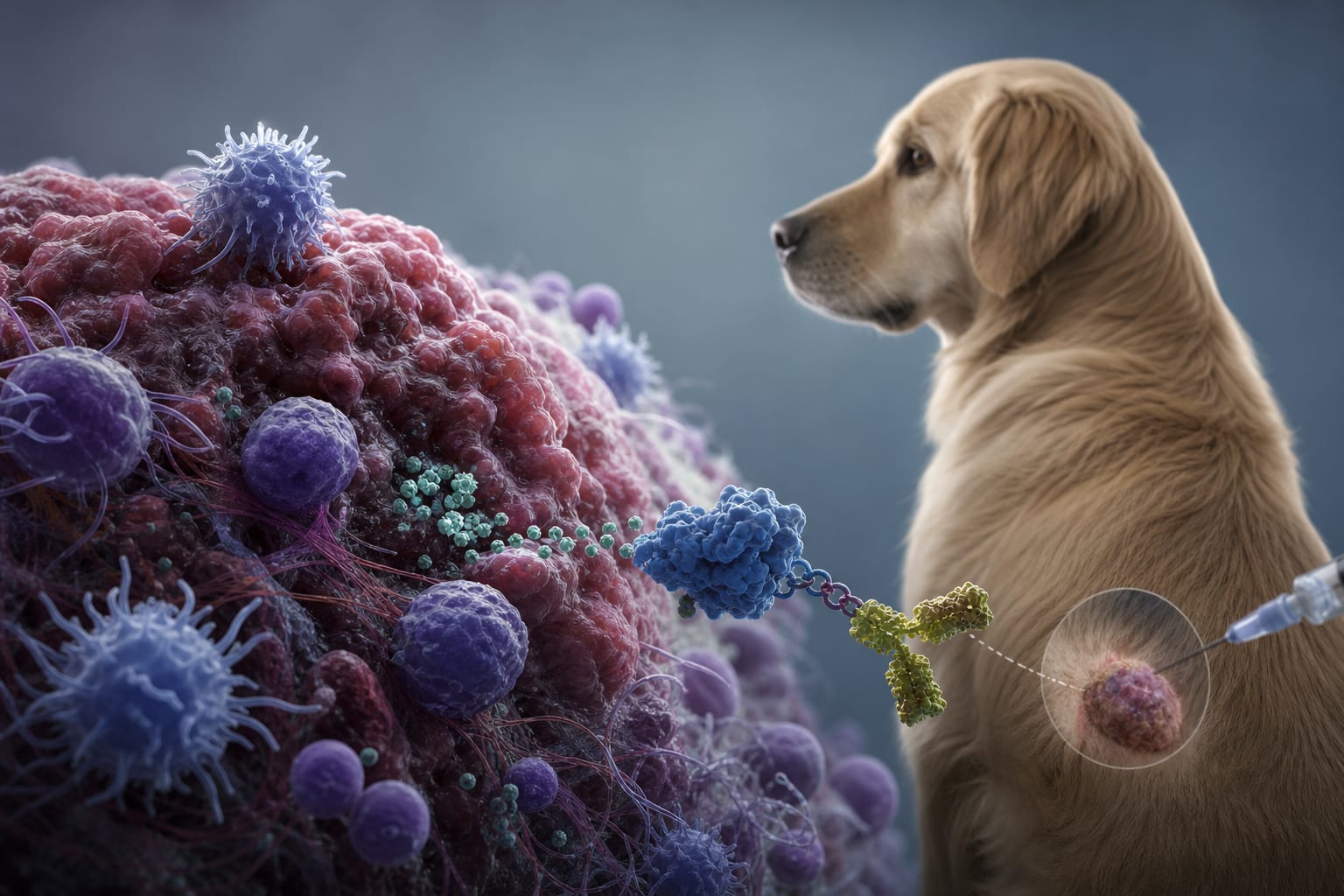
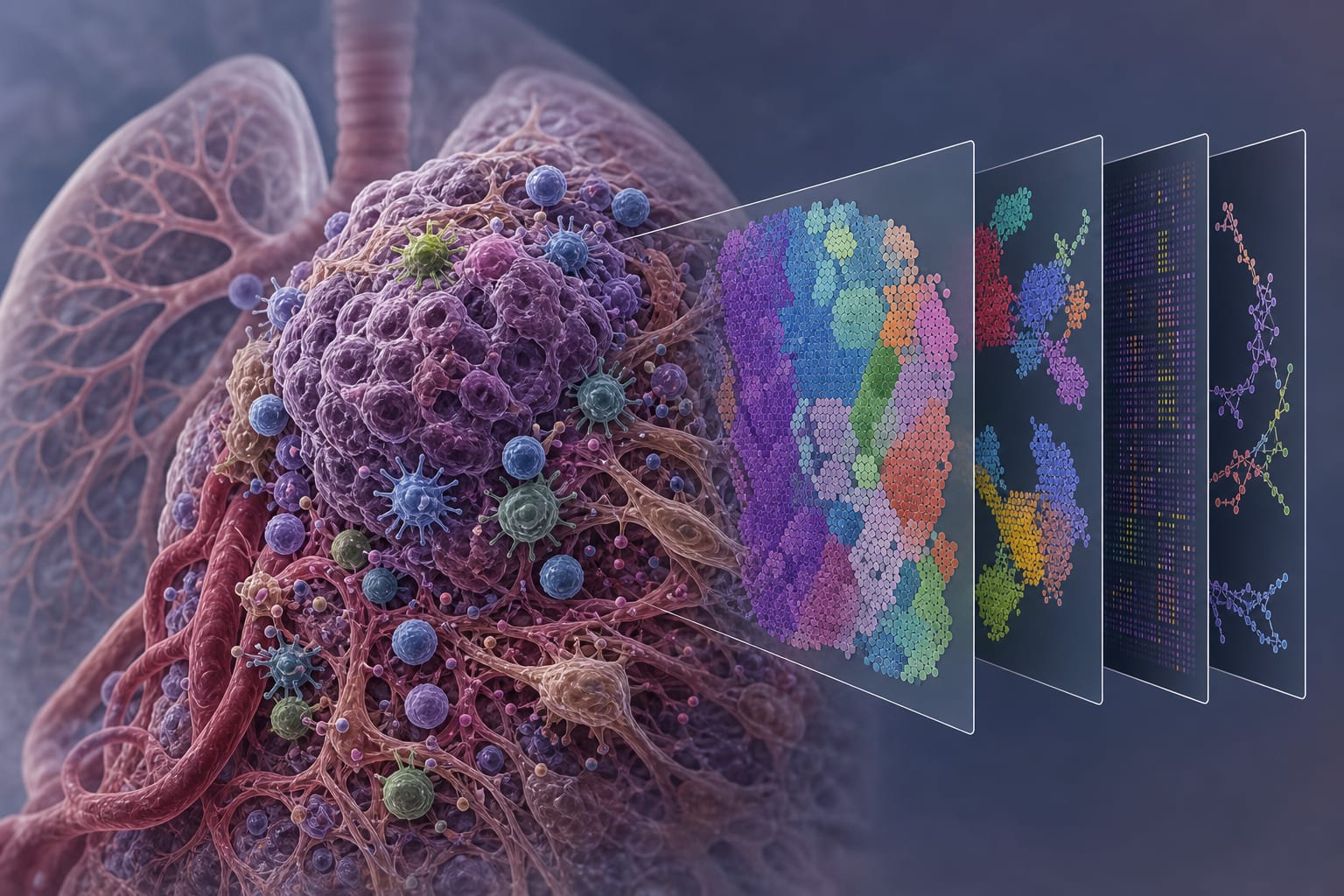
To explore targeted cytokine delivery platforms evaluated in pet dogs with naturally occurring malignancies.
Approach:
Comparative Oncology: Investigates naturally occurring tumors in dogs to inform human cancer research.
Cytokine Therapies: Focuses on engineered cytokines designed to enhance local therapeutic effects.
Key Findings:
Cytokine therapies face challenges due to systemic absorption leading to immune-related toxicity.
Pet dogs with spontaneous cancers provide a relevant model for evaluating cytokine-based immunotherapies.
Pharmacodynamic patterns observed in dogs have parallels in human clinical trials.
Interpretation:
The comparative oncology framework using pet dogs can enhance the understanding of cytokine therapies and guide the development of immunomodulatory strategies for human applications.
Limitations:
Some canine immune cell populations are less characterized than in humans.
Not all tumor histologies in dogs are applicable to human cancer studies.
Conclusion:
Canine immuno-oncology trials can inform dose selection and biomarker discovery in human immuno-oncology.