To construct a prediction model for hematoma expansion (HE) in hypertensive intracerebral hemorrhage (HICH) patients using CT radiomics, clinical information, and conventional imaging signs, emphasizing the significance of accurate prediction for patient outcomes.
Key Findings:
Hematoma expansion occurs in 13-38% of HICH cases and significantly impacts patient outcomes, highlighting the need for effective prediction.
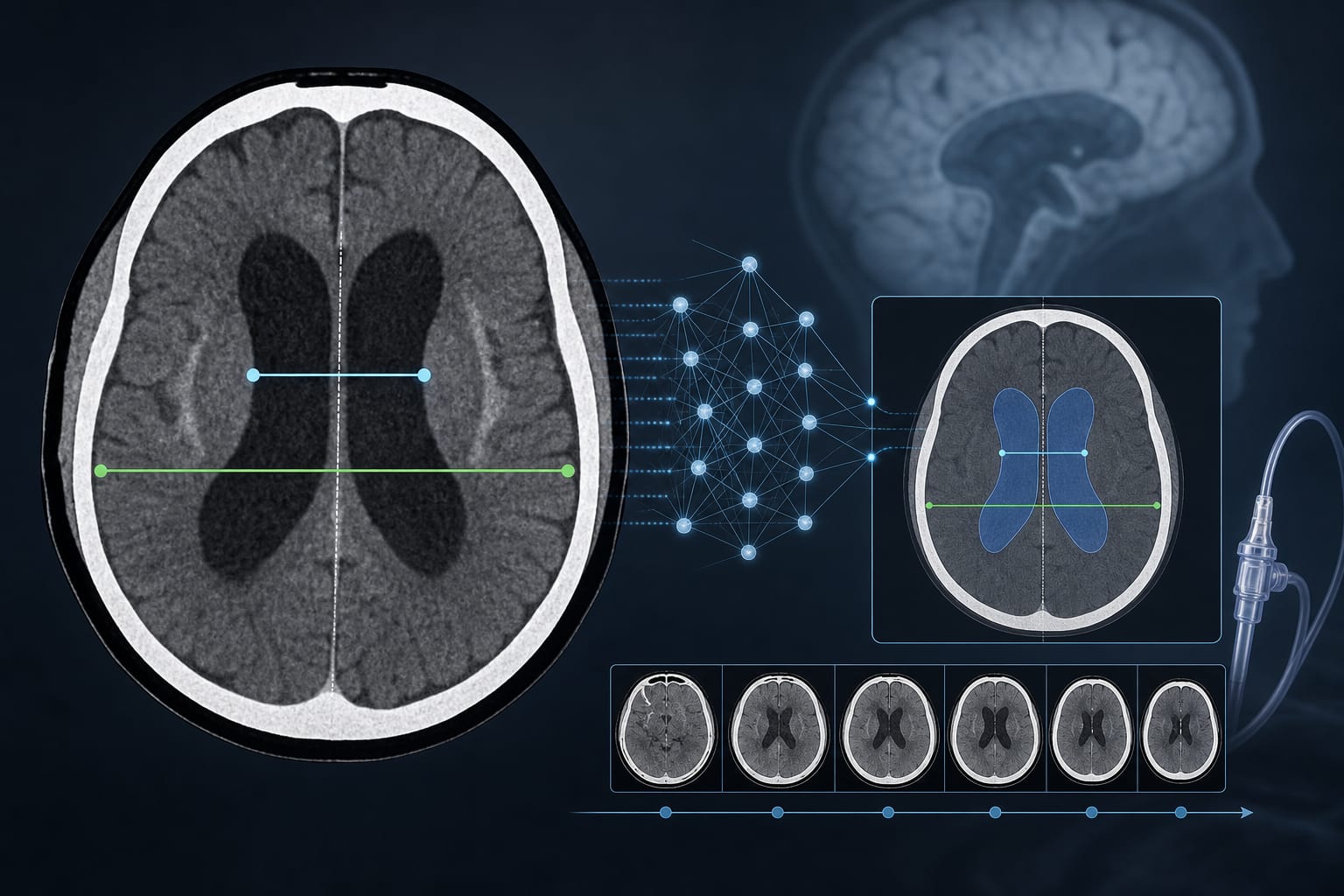
CT radiomics achieved an AUC of 0.892 for predicting HE, outperforming conventional methods, indicating its reliability.
Integration of radiomics with clinical and imaging features enhances prediction accuracy, suggesting a more comprehensive approach to patient assessment.
Interpretation:
CT radiomics combined with clinical and imaging data provides a reliable and intuitive tool for predicting hematoma expansion in HICH patients, potentially improving clinical decision-making and patient outcomes.
Limitations:
Retrospective design may introduce selection bias, which could affect the generalizability of the findings.
Reliance on imaging quality and consistency in feature extraction may limit the model's applicability in varied clinical settings.
Conclusion:
The study demonstrates that a hybrid prediction model utilizing CT radiomics and clinical factors can effectively predict hematoma expansion, aiding in timely interventions for HICH patients and improving their prognosis.