To evaluate the impact of HUCB-MSCT on long-term outcomes of patients with decompensated liver cirrhosis, highlighting its potential as a treatment option.
Key Findings:
A total of 201 patients were analyzed, with 36 receiving HUCB-MSCT and 165 in the Non-SCT group. The 3-year survival rate for the SCT group was X% compared to Y% in the Non-SCT group.
Overall mortality was 80.1% in the cohort before propensity score matching.
Significant improvements in survival rates and liver function were observed in patients receiving HUCB-MSCT compared to those who did not.
Interpretation:
HUCB-MSCT may provide a beneficial alternative treatment for patients with decompensated liver cirrhosis, potentially improving long-term survival outcomes, necessitating further research.
Limitations:
Retrospective design limits causal inference, potentially affecting the reliability of the findings.
Small sample size in the SCT group may affect generalizability of the results.
Lack of long-term follow-up data on safety and efficacy raises concerns about the sustainability of treatment benefits.
Conclusion:
HUCB-MSCT shows promise as a treatment for decompensated liver cirrhosis, warranting further investigation in larger, controlled studies to validate these findings.
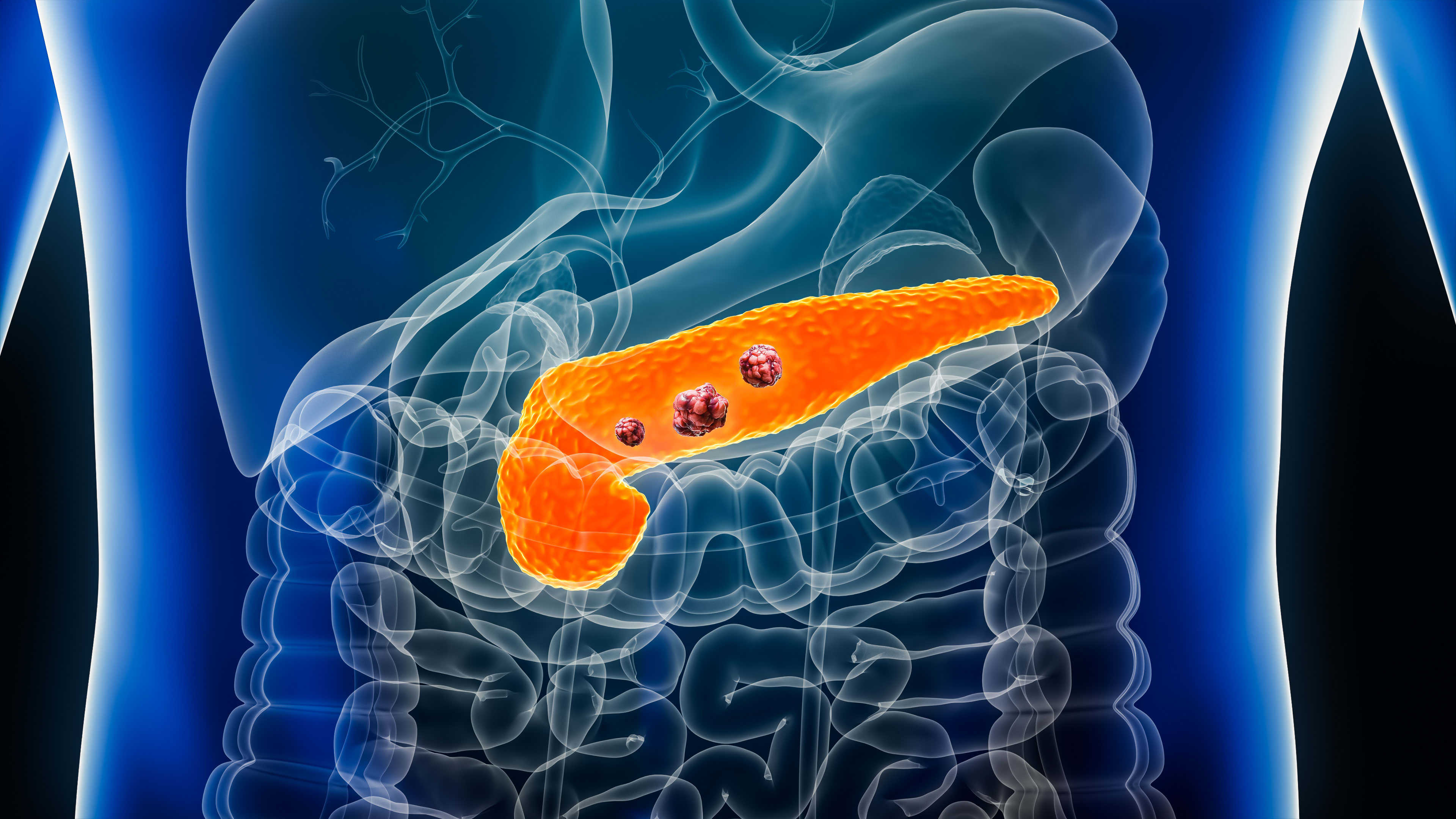
In the phase 3 PANOVA-3 trial, adding Tumor Treating Fields therapy to gemcitabine and nab-paclitaxel was associated with improved overall survival and delayed pain progression in adults with locally advanced pancreatic cancer.
The Allurion Gastric Balloon System is now authorized by the US Food and Drug Administration for short-term weight loss in adults aged 22 to 65 years with obesity and a body mass index of 30 to 40 kg/m2.