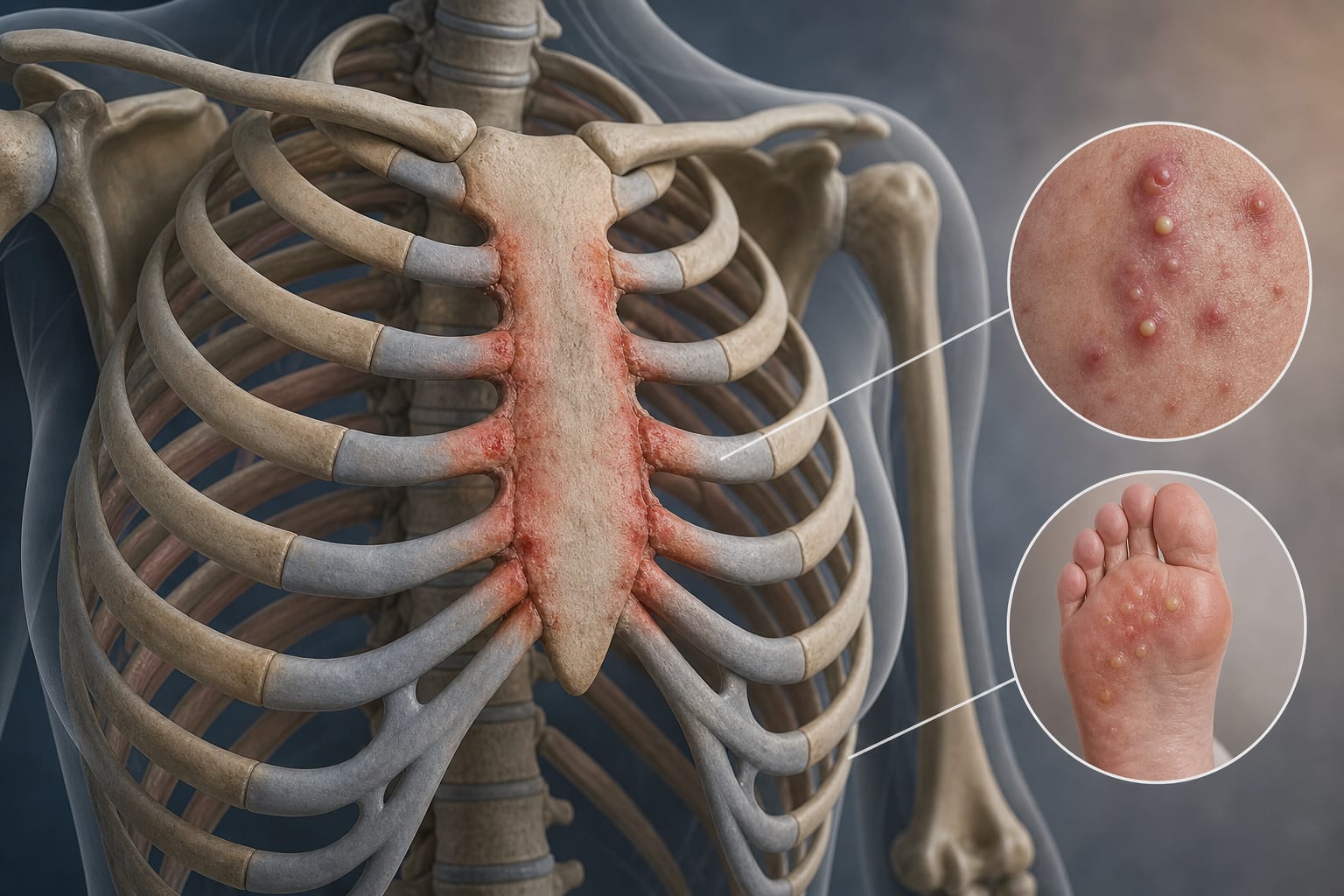
To systematically identify and critically evaluate currently available risk prediction models for Peristomal Moisture-Associated Skin Damage (PMASD), highlighting the significance of PMASD in patient care.
Key Findings:
A total of 11 prediction models from 10 studies were included, with an incidence rate of PMASD ranging from 22.8% to 59.1%.
All studies indicated a substantial risk of bias, limiting their clinical utility.
The area under the curve (AUC) values of the models ranged from 0.812 to 0.914.
Strongest predictors identified included history of radiotherapy, type of stoma, stoma opening height, and surgical wound in the plate area.
Three studies validated the model externally, and six studies used a combination of internal and external validation methods, while one study did not validate the model.
Interpretation:
Although most models showed good applicability, they all exhibited inherent limitations due to high risk of bias, which may affect their clinical implementation.
Limitations:
High risk of bias in all included studies, which may compromise the reliability of the findings.
Limited external validation of the models, raising questions about their generalizability.
Variability in the incidence rates reported across studies, which could impact the interpretation of model performance.
Conclusion:
Future large-sample, multicenter, and high-quality prospective clinical studies are needed to optimize predictive models for PMASD, addressing the identified limitations to enhance their clinical application.