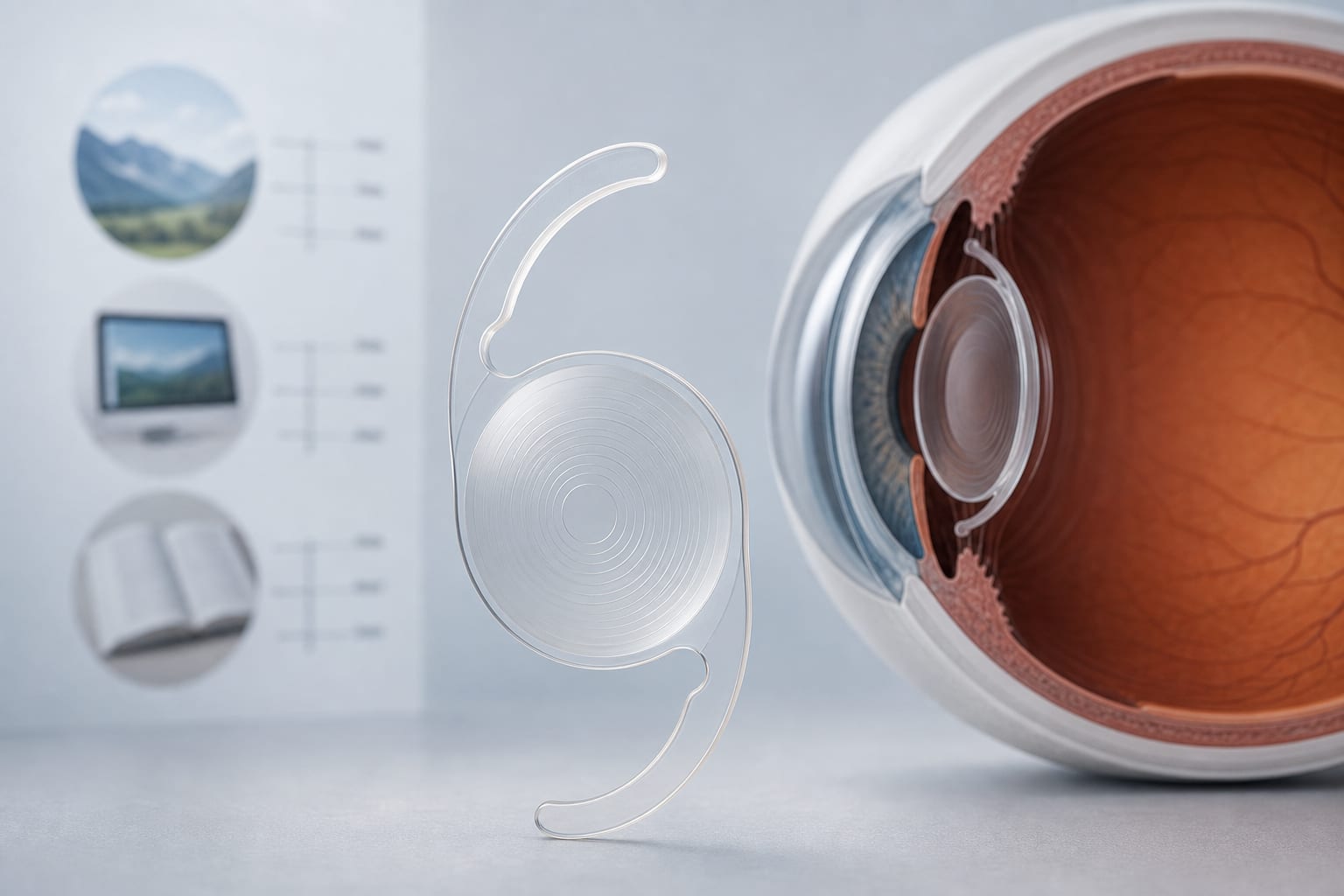
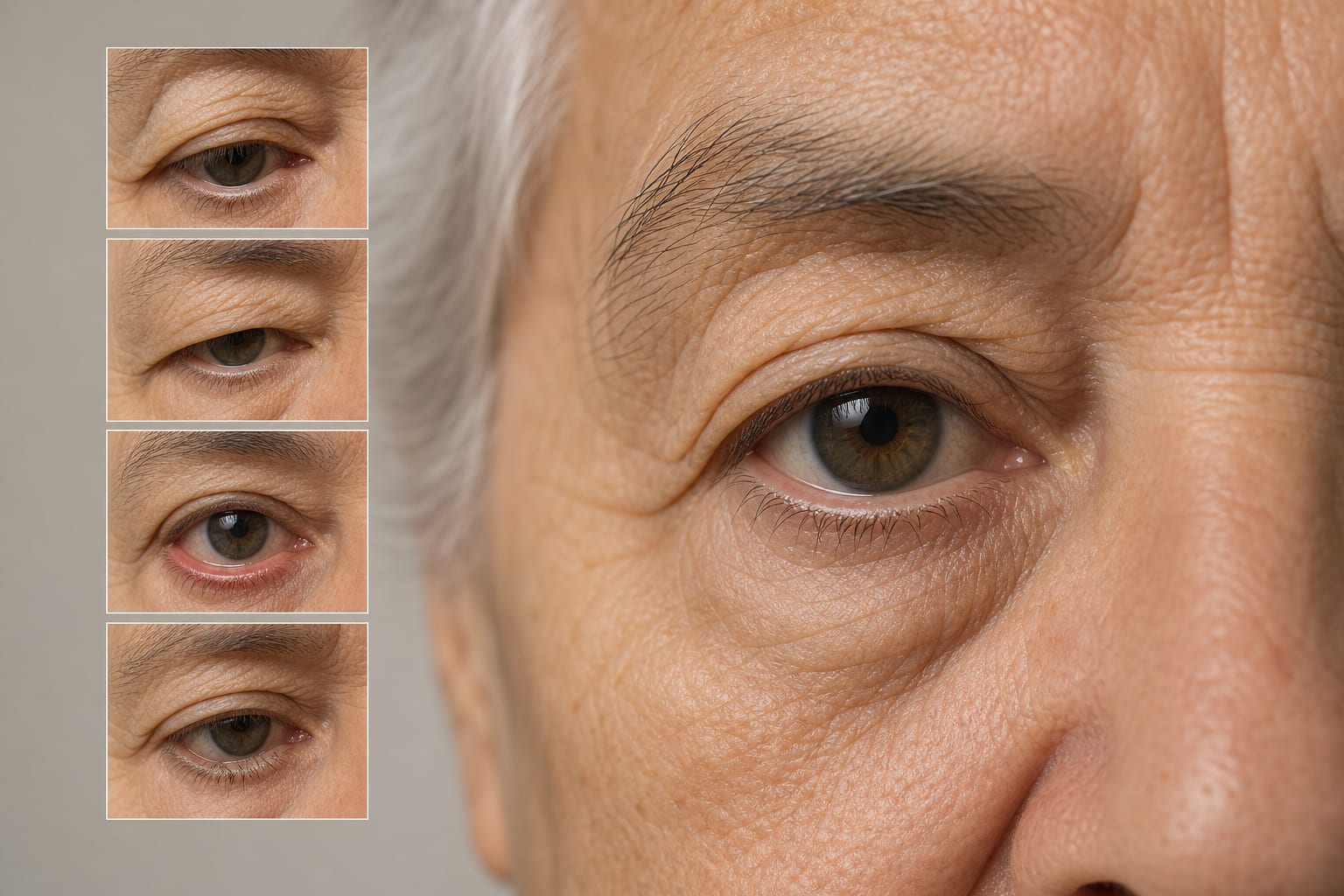
To compare the impact of manual small incision cataract surgery (MSICS) and phacoemulsification on dry eye disease (DED) postoperatively.
Approach:
Key Findings:
Both surgical techniques resulted in acute deterioration of ocular surface health, most notably on post-op Day 1.
OSDI scores increased, while Schirmer I and tear breakup time (TBUT) decreased across both groups, with gradual improvement by Day 60.
Recovery was incomplete by Day 60, with OSDI and Schirmer I remaining significantly worse than baseline.
TBUT was significantly lower in the MSICS group at all postoperative visits, indicating greater tear film instability.
Meibomian gland dysfunction improved postoperatively but showed worse meibum quality in the phacoemulsification group by Day 60.
Interpretation:
DED is a significant postoperative issue following cataract surgery, with MSICS leading to greater tear film instability and phacoemulsification associated with persistent meibomian gland disturbance.
Limitations:
The study was limited to a single center and a relatively small sample size.
Long-term effects beyond 60 days were not assessed.
Conclusion:
DED should be recognized as a predictable postoperative event, and routine screening tools should be integrated into perioperative care for better management.