Postoperative outcomes after off-label cryoanalgesia during minimally invasive repair of pectus excavatum in children younger than 12 years - Summary - MDSpire
Advertisement
Postoperative outcomes after off-label cryoanalgesia during minimally invasive repair of pectus excavatum in children younger than 12 years
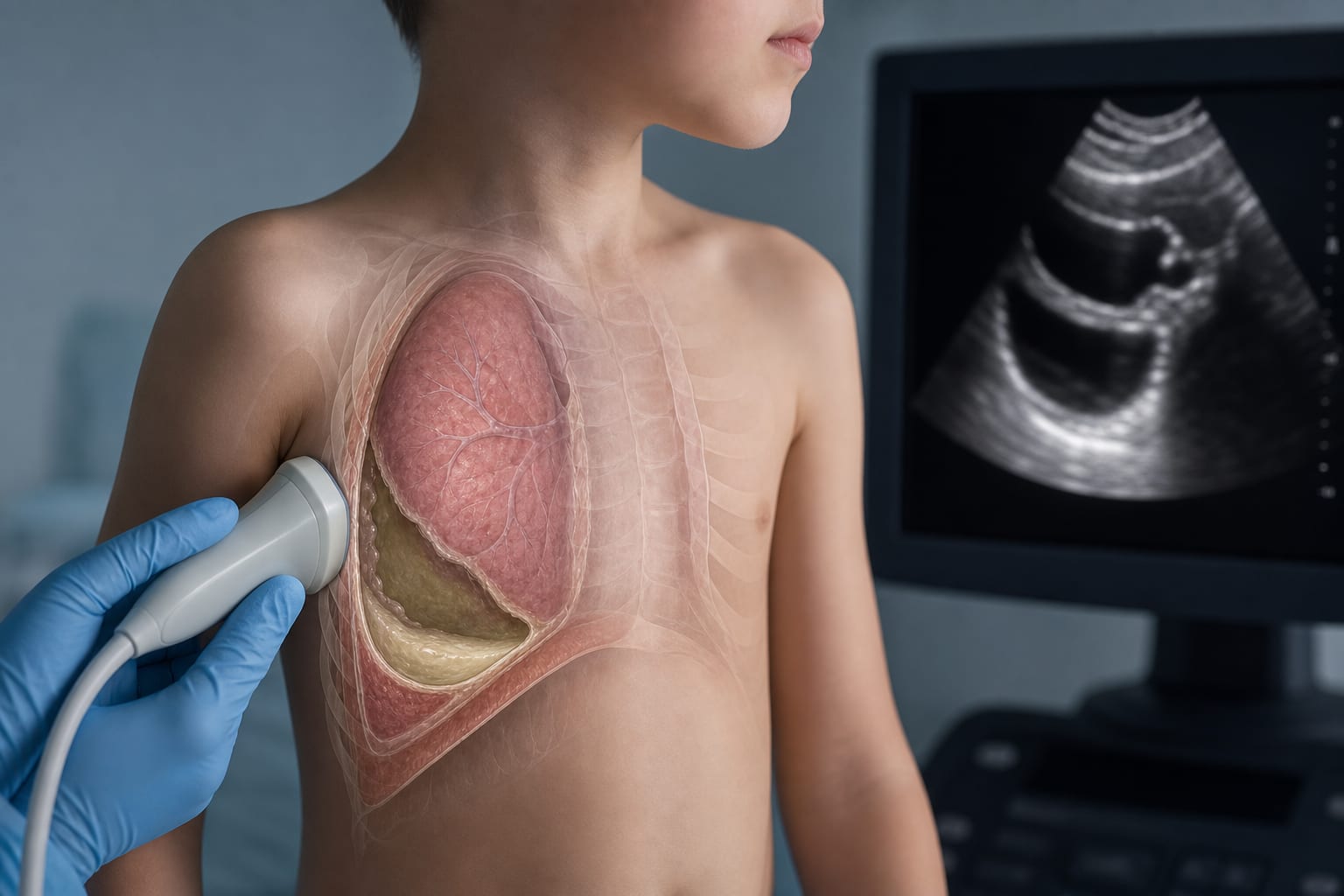
To evaluate postoperative outcomes after cryoanalgesia during minimally invasive repair of pectus excavatum (MIRPE) in children younger than 12 years, highlighting the significance of off-label use.
Key Findings:
Ten patients met inclusion criteria with a mean age of 10.1 years and 70% male.
Median total inpatient opioid consumption was 0.96 OME/kg, indicating low opioid use.
Median length of stay was 2 days, suggesting efficient recovery.
Inpatient pain scores decreased from 2 on postoperative day 0 to 0 on postoperative day 1, reflecting effective pain management.
Two postoperative complications occurred, neither attributable to cryoanalgesia, indicating safety.
No persistent pain, paresthesia, or numbness reported by 9 months postoperatively, underscoring long-term safety.
Interpretation:
Off-label cryoanalgesia during MIRPE in children aged 9–11 years was feasible with low opioid use and acceptable pain control, suggesting potential for broader application in pediatric surgery.
Limitations:
Small sample size of only ten patients, limiting statistical power.
Retrospective design may limit generalizability and introduce selection bias.
Conclusion:
Cryoanalgesia in this age group was associated with low opioid use, short length of stay, and no cryoanalgesia-related complications; larger prospective studies are needed to validate these findings and inform clinical practice.
The Eugene M. & Christine E. Lynn Cancer Institute at Boca Raton Regional Hospital, part of Baptist Health, reached an important milestone in the advancement of cancer care with the successful treatment of its first patient utilizing proton therapy, according to physicians at both the Institute and the hospital.