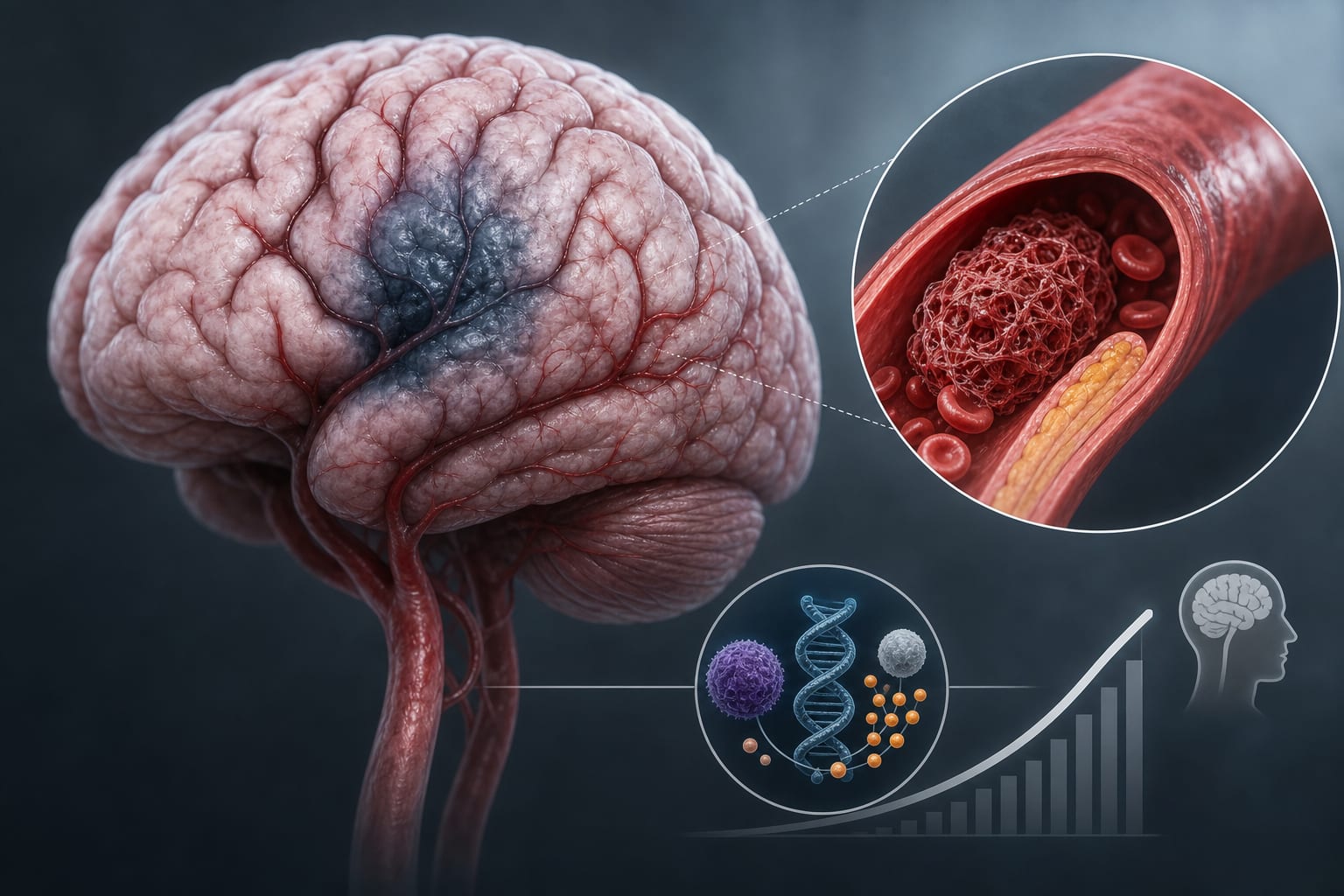
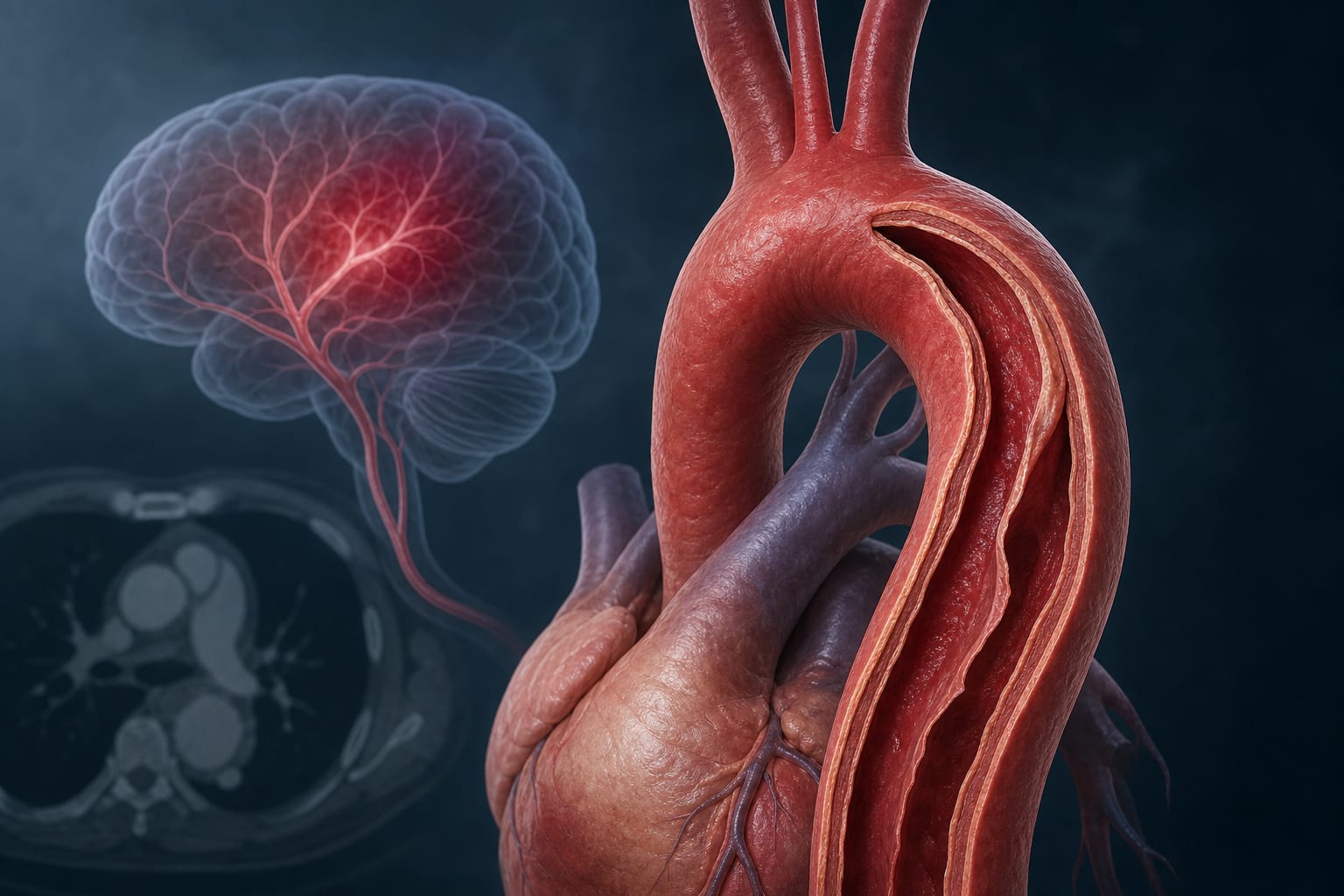
To evaluate the predictive efficiency of the Cardiometabolic Index (CMI) for long-term adverse cerebrovascular events in patients with acute ischemic stroke (AIS) who underwent thrombolytic therapy.
Approach:
Key Findings:
CMI showed superior predictive performance for long-term adverse cerebrovascular events compared to conventional biomarkers.
A high CMI value (≥0.80) was independently correlated with an increased risk of MACEs.
Systemic inflammation partially mediated the predictive effect of CMI on adverse clinical outcomes.
Interpretation:
CMI is a reliable prognostic biomarker that reflects metabolic and inflammatory status, enhancing risk stratification and treatment strategies for AIS patients post-thrombolysis.
Limitations:
The study is retrospective and conducted at a single center.
Further large-sample cohort studies are necessary to confirm the findings.
Conclusion:
CMI provides better predictive capability for adverse cerebrovascular events in AIS patients after thrombolytic therapy, warranting further investigation for clinical applicability.