Exploring nurse- and allied health professional-led opportunistic atrial fibrillation screening with artificial intelligence-enabled devices in community and primary care - Summary - MDSpire
Conexiant’s news site is now MDSpire News. Learn more
Advertisement
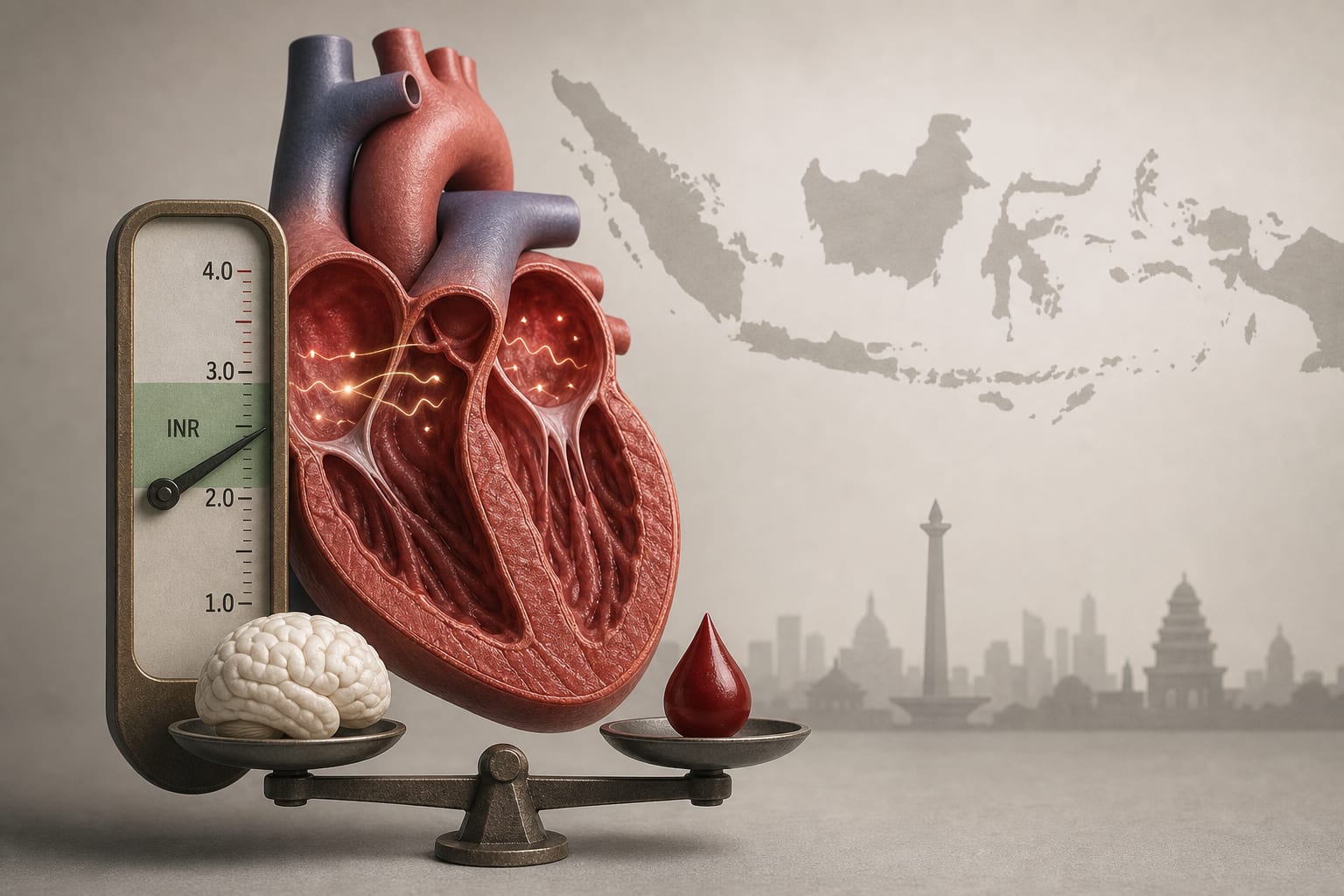
Investigating Community and Primary Care Approaches for Atrial Fibrillation Screening Led by Nurses and Allied Health Professionals Using AI-Enabled Devices
To explore the role of AI-enabled devices in nurse- and allied health professional-led opportunistic screening for atrial fibrillation (AF) in community and primary care settings.
Approach:
Screening Strategies: Distinguishes between systematic and opportunistic screening, focusing on the latter which utilizes existing healthcare interactions.
AI-Enabled Devices: Discusses the use of AI-enabled devices like single-lead ECG and photoplethysmography (PPG) as alternatives to traditional physician-interpreted 12-lead ECG.
Nurse and AHP Involvement: Advocates for empowering nurses and allied health professionals to conduct opportunistic AF screening, enhancing early detection and intervention.
Key Findings:
AI-enabled devices show good diagnostic accuracy compared to traditional ECG.
Nurse-led opportunistic screening is cost-effective and facilitates earlier anticoagulant initiation.
Barriers to widespread adoption include false positives, lack of standardized training, and liability concerns.
Interpretation:
The shift to nurse- and AHP-led opportunistic screening using AI technology represents a proactive approach to AF detection, potentially reducing stroke risks in the community.
Limitations:
False positive results may lead to unnecessary anxiety and further testing.
Lack of standardized training for nurses and AHPs in using AI devices.
Liability concerns regarding AI interpretation may hinder implementation.
Conclusion:
Future strategies should focus on workforce training, data governance, and integrating AI findings into clinical pathways for effective AF management.
National survey findings suggest many US adults report making health decisions based on social media despite widespread concerns about the accuracy of health information shared to the platforms.