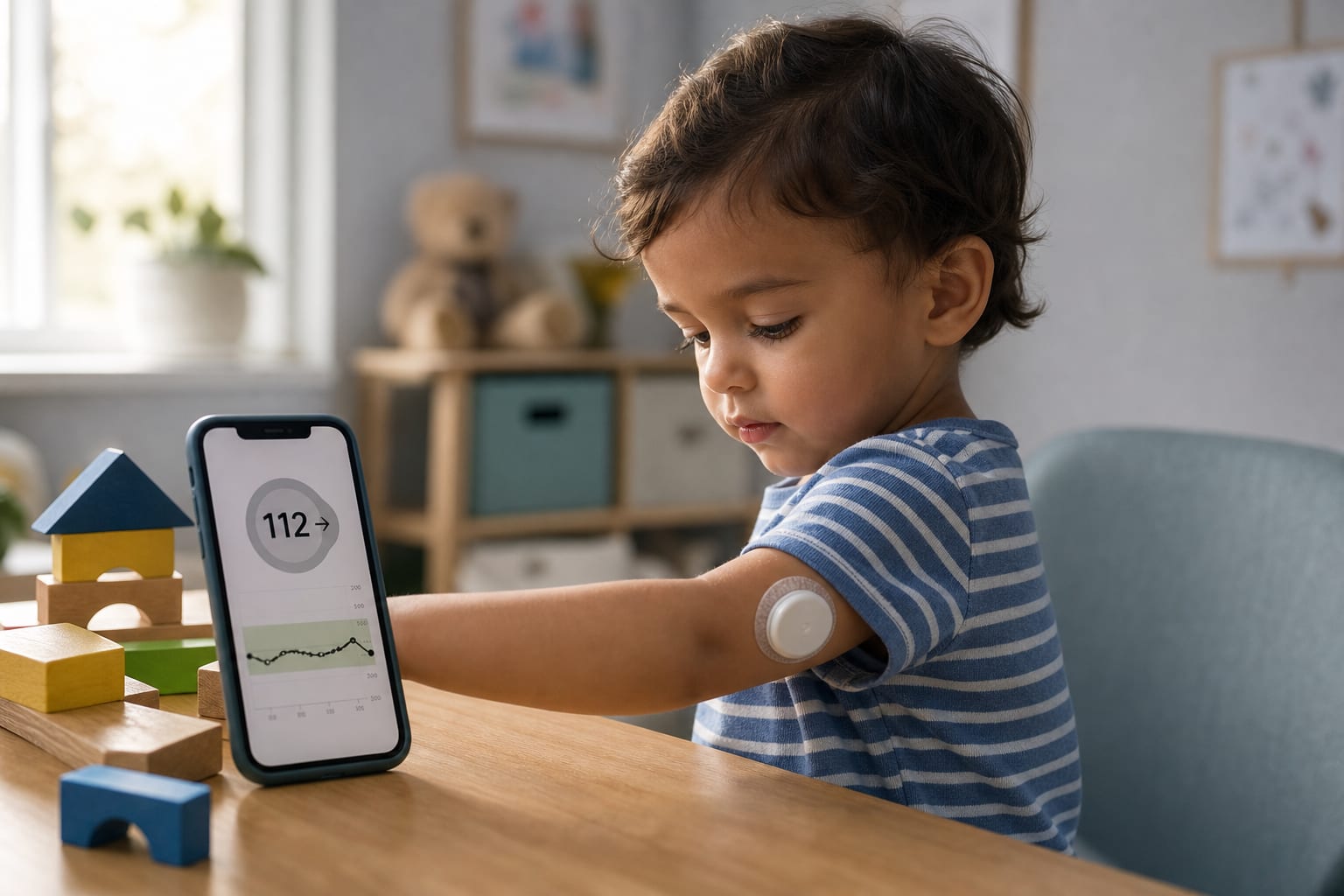
To assess the implications of over-the-counter continuous glucose monitors (CGMs) for children aged two and older, as highlighted by the FDA's recent approval.
Approach:
FDA Approval: The FDA has approved CGMs for children 2 and older without a prescription, citing benefits in glycemic awareness and long-term health outcomes.
Expert Opinions: Experts express mixed views on the impact of CGMs, with some seeing potential benefits for high-risk children and others warning of data overload and negative behaviors.
Market Expansion: The approval opens a new market for CGM manufacturers, particularly for parents concerned about their children's health.
Key Findings:
CGMs provide real-time glucose data, potentially aiding in diabetes prevention and management.
Concerns exist regarding the effects of CGMs on healthy children and the interpretation of data without adequate clinical guidance.
The American Academy of Pediatrics has not yet taken a position on over-the-counter CGMs for children.
Interpretation:
While CGMs may increase access to glucose monitoring for children at risk of diabetes, the lack of comprehensive data on normal blood sugar ranges for children complicates their use.
Limitations:
Insufficient data on normal blood sugar levels for healthy children may lead to misinterpretation of CGM data.
The DISCOVERY trial focuses on specific age groups and risk factors, leaving gaps in understanding for broader pediatric populations.
Conclusion:
The introduction of over-the-counter CGMs presents both opportunities and challenges, necessitating careful consideration of their use in pediatric populations.