Cholinergic Influence on Neuroinflammation: Connecting Microglial Activity, Immunometabolic Processes, and Neuromodulatory Mechanisms
-
By
-
Hui Guo
-
Ziyu Yang
-
Long Cheng
-
June 19, 2026
Objective:
To explore cholinergic regulation of neuroinflammation through microglial activity, immune metabolism, and neural regulation.
Approach:
Key Findings:
- Neuroinflammation is a core pathological process in various neurological diseases.
- Microglia are key mediators of neuroinflammation and exhibit heterogeneous activation states.
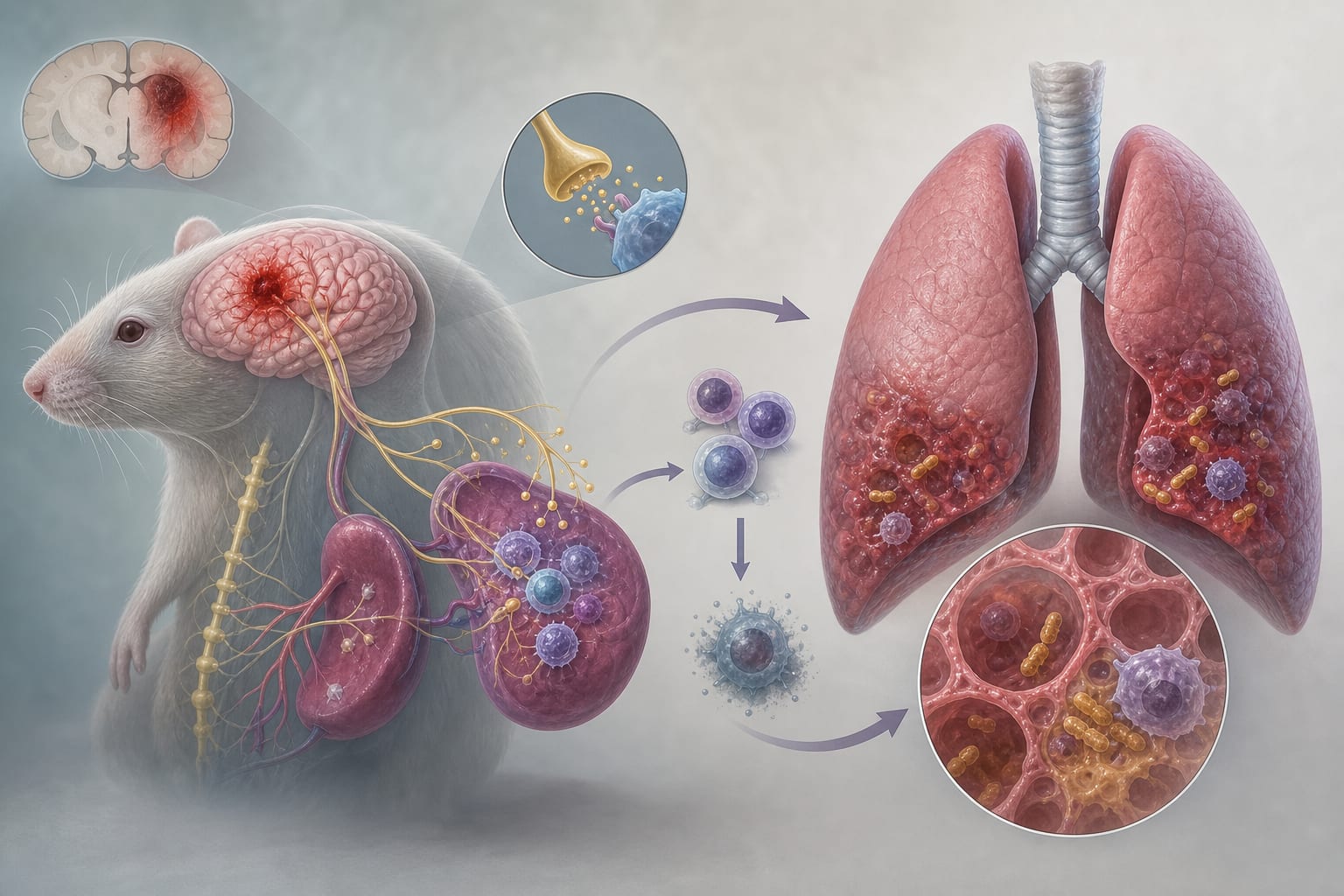
- Cholinergic signaling influences microglial activity and inflammatory responses.
- Metabolic reprogramming in microglia is linked to cholinergic signaling and immune responses.
- Therapeutic strategies include targeting cholinergic pathways and vagus nerve stimulation.
Interpretation:
This review integrates cholinergic biology, microglial heterogeneity, and metabolic reprogramming to enhance understanding of neuroinflammation.
Limitations:
- The complexity of microglial activation states complicates understanding of cholinergic signaling effects.
- Further research is needed to elucidate mechanisms linking cholinergic signaling and immune metabolism.
Conclusion:
Reexamining the cholinergic anti-inflammatory framework from a CNS-centric perspective may provide insights into disease mechanisms.