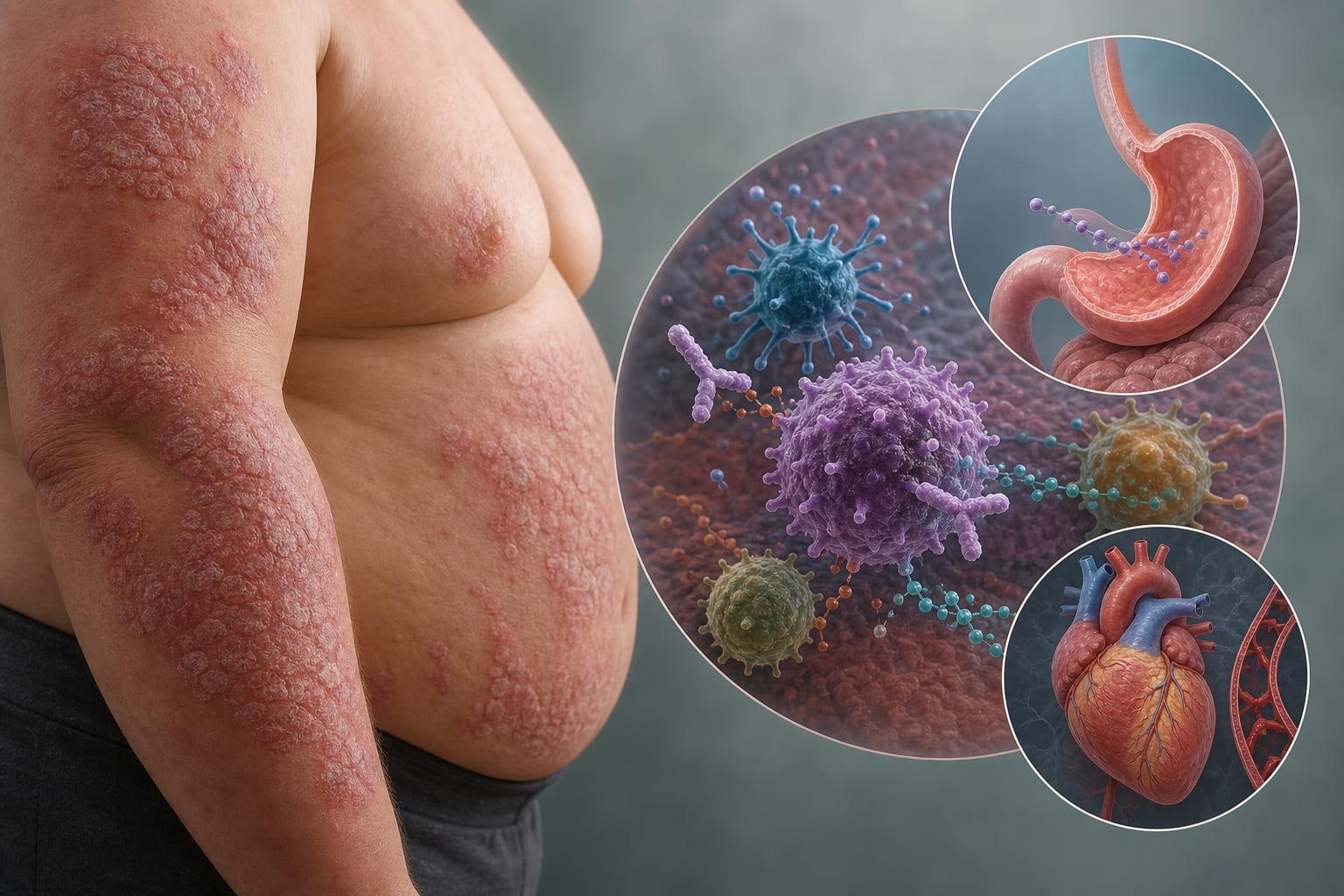
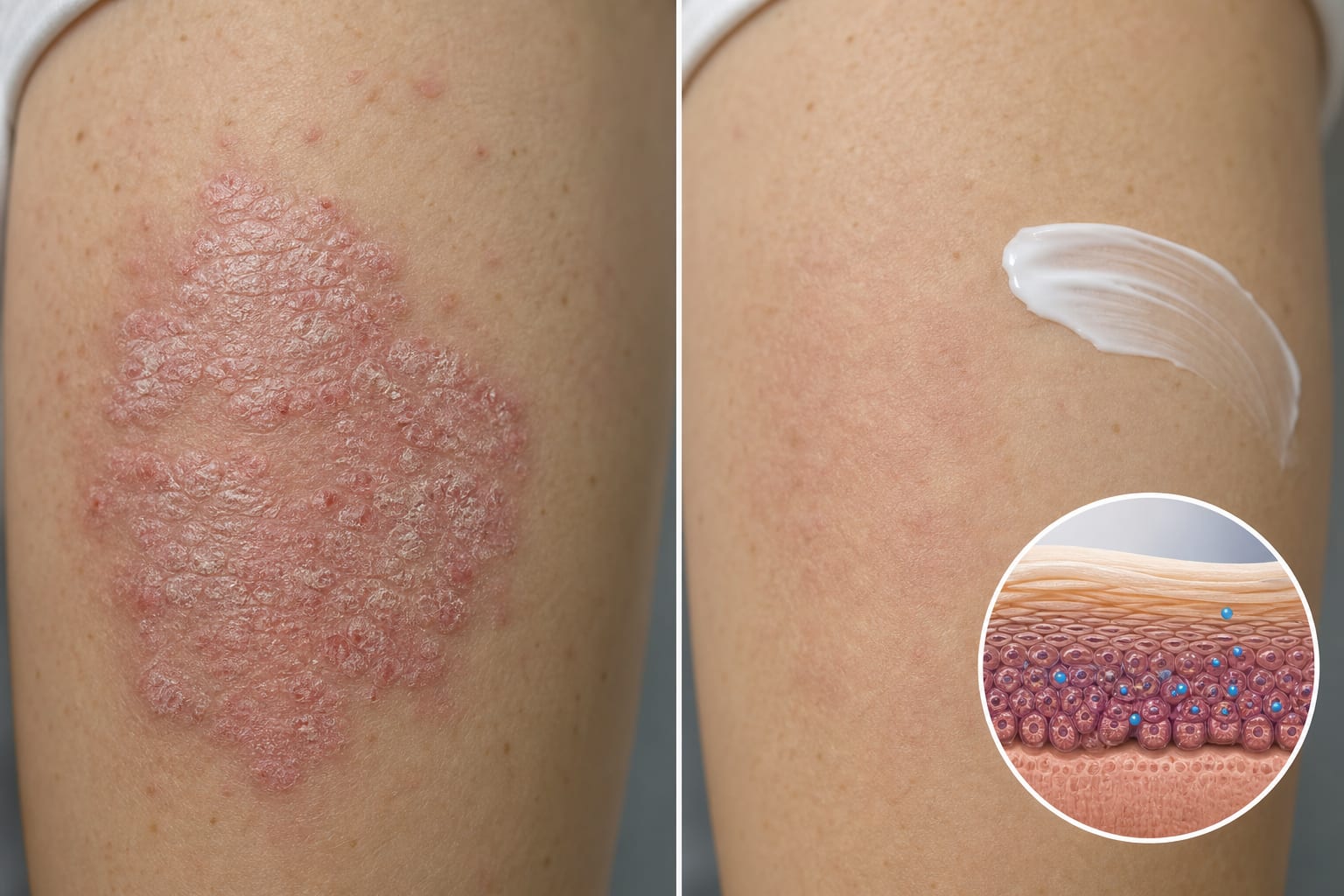
To systematically review the distinct pathways of metabolic reprogramming in keratinocytes and immune cells in psoriasis and atopic dermatitis (AD), summarizing the mechanisms of action of key molecules and metabolism-targeted drugs.
Approach:
Metabolic Pathways Comparison: The article compares the metabolic pathways in psoriasis, characterized by glycolysis and hypoxia-inducible factor-1α (HIF-1α) activation, with those in AD, which shows defects in epidermal ceramide synthesis and impaired fatty acid metabolism.
Key Molecules Analysis: It summarizes the mechanisms of action of key regulatory molecules such as mTOR and AMPK in both conditions.
Therapeutic Potential Exploration: The article explores the differential therapeutic potential of metabolism-targeted drugs, including metformin, statins, PPARγ agonists, and AhR modulators.
Key Findings:
Psoriasis exhibits upregulation of glycolysis and abnormalities in cholesterol metabolism, while AD shows impaired ceramide synthesis and disrupted fatty acid metabolism.
Common regulatory factors like HIF-1α, PPARγ, and SREBP display opposite trends in psoriasis and AD.
The metabolic profiles of psoriasis and AD reflect their distinct clinical manifestations.
Interpretation:
The findings suggest that metabolic pathways play a crucial role in the differentiation and clinical presentation of psoriasis and AD, providing a new theoretical foundation for metabolism-based personalized therapies.
Conclusion:
Understanding the distinct immunometabolic alterations in psoriasis and AD is crucial for advancing research in these conditions.