Electroencephalographic abnormalities and clinical phenotypes in children with autism spectrum disorder: a single center cohort study - Summary - MDSpire
To investigate associations between EEG abnormalities and selected clinical characteristics in children with ASD.
Key Findings:
No significant associations were found between epilepsy diagnosis or EEG abnormalities and speech delay, aggression, sensory integration disorders, or motor deficits after adjusting for age.
Interpretation:
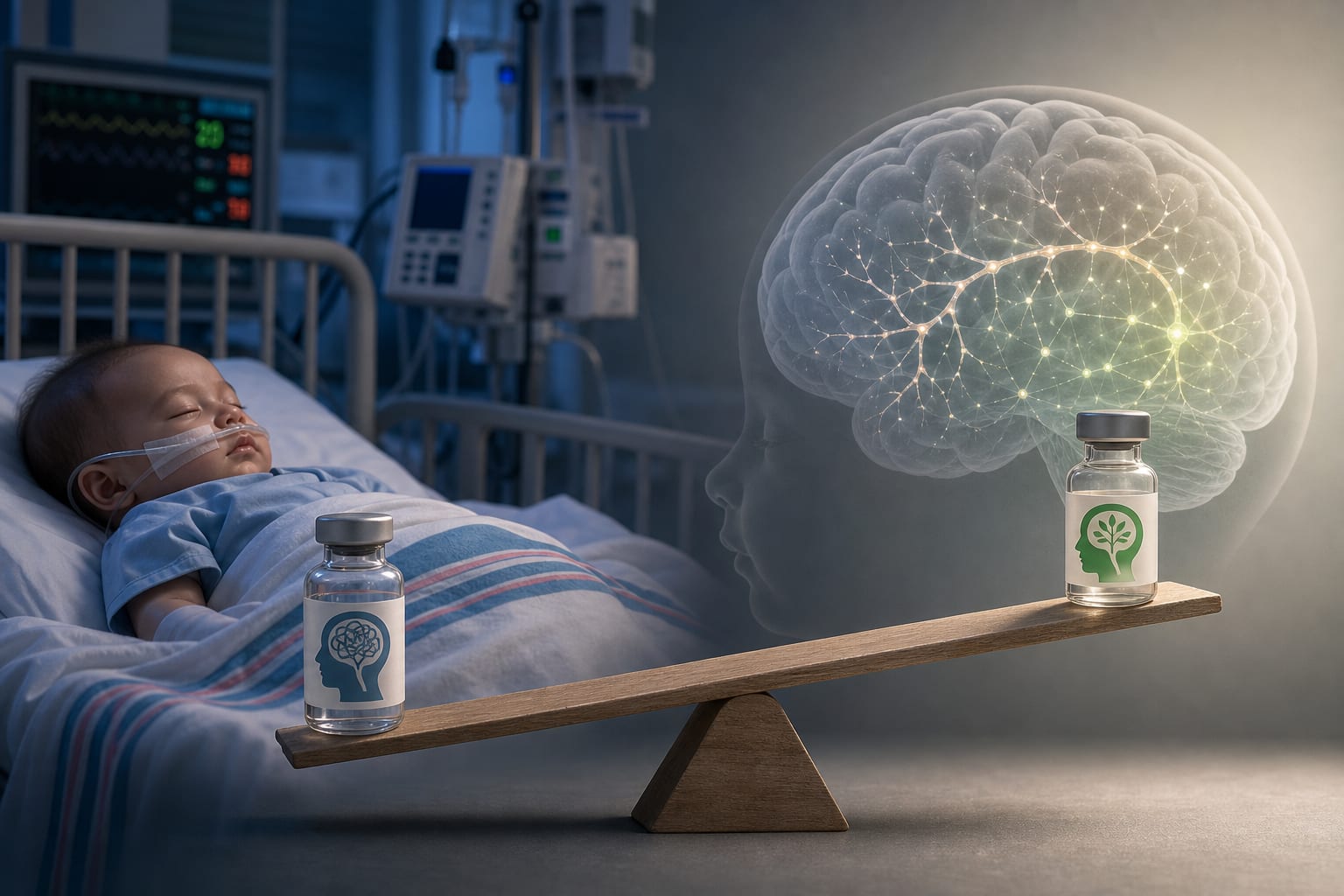
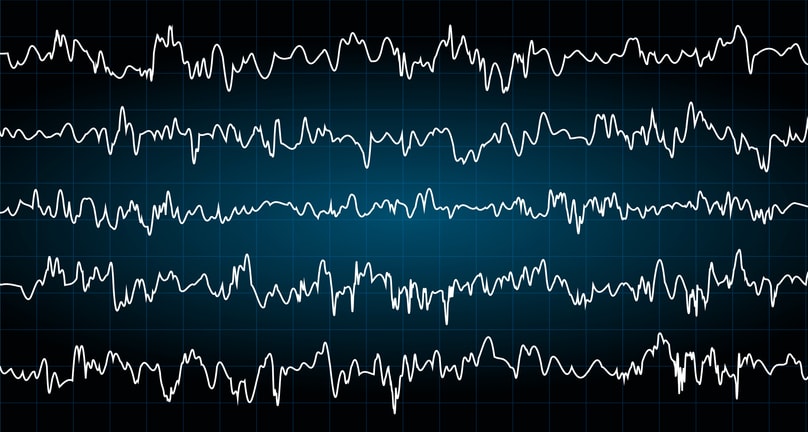
Non-paroxysmal EEG abnormalities may correlate with sleep disorders in children with ASD, while comorbid epilepsy is linked to greater intellectual disability severity.
Limitations:
The study is limited to a single center, which may affect the generalizability of the findings.
Broad categorical EEG patterns did not reveal significant associations with most clinical manifestations.
Conclusion:
More granular EEG analysis may detect subtle correlations not apparent with simplified classification approaches.
For patients who continue to have seizures despite appropriate anti-seizure medication therapy, timely referral for surgical evaluation can change the trajectory of care.