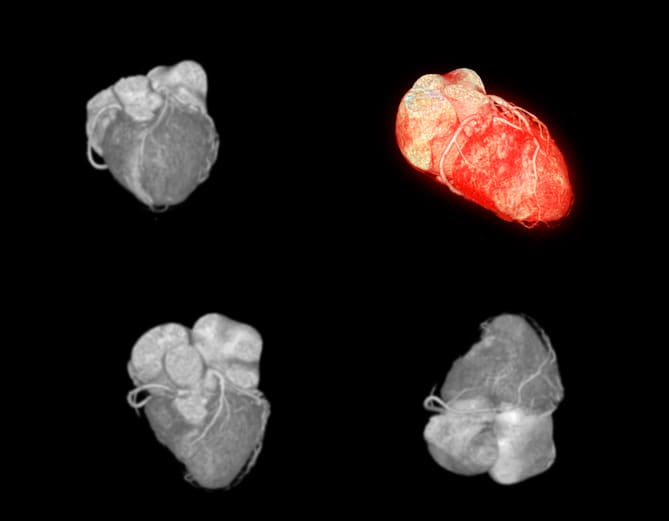
A single-center editorial described real-world integration of artificial intelligence–based coronary artery calcium scoring into routine cardiac CT workflow, with researchers reporting rapid report availability and high agreement with manual reference standards while emphasizing continued radiologist oversight.
To describe the implementation and workflow of an AI-based coronary artery calcium (CAC) scoring system at Wonkwang University Hospital, highlighting its significance in improving diagnostic efficiency.
Key Findings:
AI-generated CAC reports were typically available within 10 minutes of CT image upload.
High agreement between AI-based CAC scoring and manual reference standards for continuous scores and categorical grading, with specific metrics to be included.
False-positive and false-negative detections persisted, particularly related to noncoronary calcifications and motion artifacts, impacting clinical decision-making.
Interpretation:
Radiologist oversight remains essential, especially in patients with extensive calcification or complex coronary anatomy, to ensure accurate diagnosis and treatment.
Limitations:
Lack of detailed audit methods, sample size, and patient characteristics may limit the generalizability of findings.
False-positive and false-negative detections were noted, particularly in patients with high CAC burden or structural coronary abnormalities, which could affect patient management.
Conclusion:
The editorial highlights the benefits of AI in reducing manual tasks and improving efficiency but emphasizes the critical need for radiologist verification to ensure patient safety.