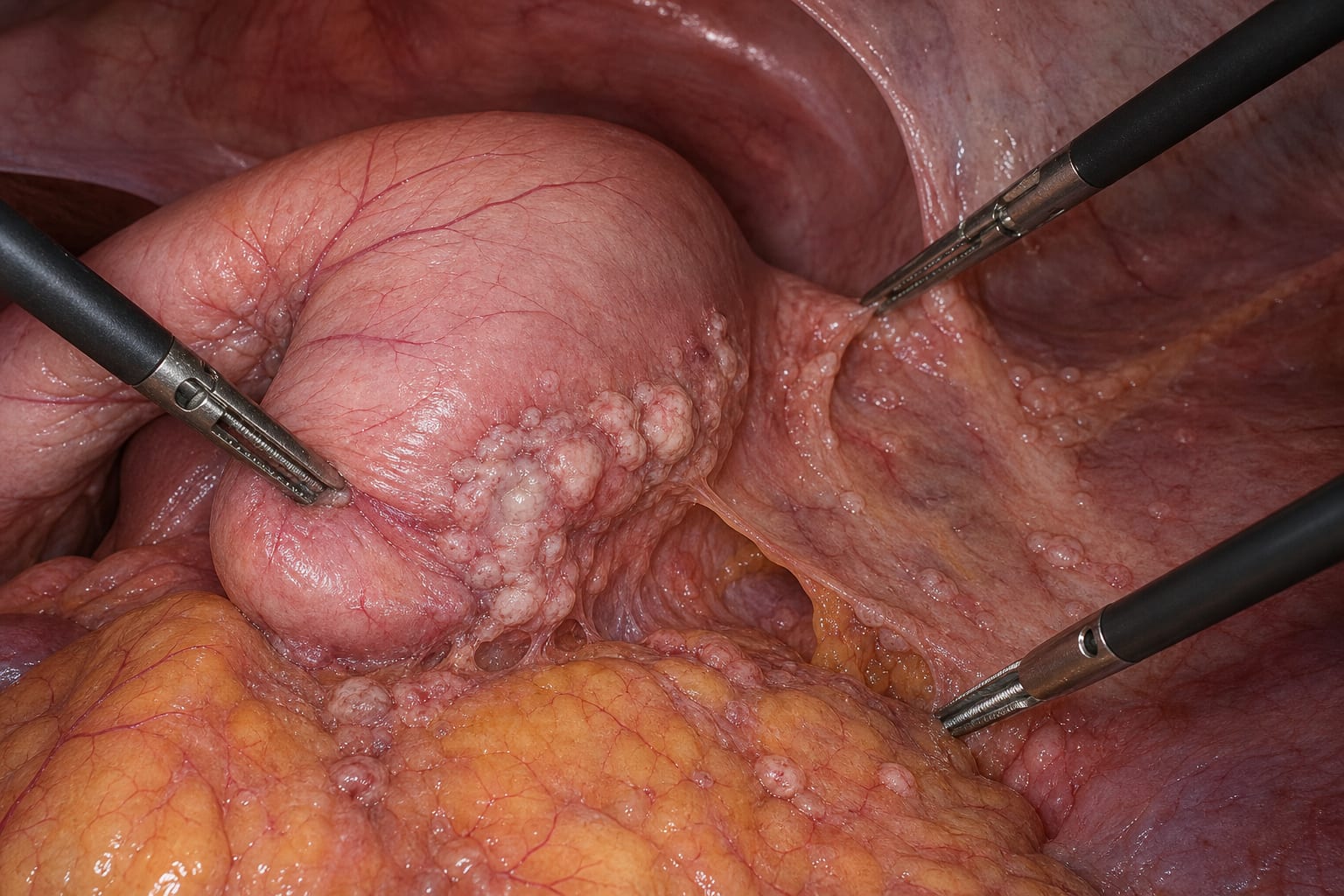
To evaluate the safety and efficacy of laparoscopic distal gastrectomy (LDG) for clinical T4a gastric cancer based on the UMC-UPPERGI-01 trial, which addresses a significant gap in existing literature.
Key Findings:
High proportion of randomized patients deemed ineligible due to peritoneal metastasis or unresectable disease, raising concerns about preoperative staging accuracy.
No observed advantages of minimally invasive surgery in postoperative outcomes compared to established trials.
High pancreatic fistula rates compared to established trials, indicating potential technical challenges.
Study cohort less representative of current oncologic practice due to exclusion of perioperative chemotherapy, limiting generalizability.
Interpretation:
The trial's findings suggest that while LDG may be safe, the methodological limitations and lack of clear benefits necessitate cautious interpretation and further investigation, particularly regarding long-term outcomes.
Limitations:
Inaccurate preoperative staging due to reliance on CT alone, which may have led to high ineligibility rates.
Unexpected high rates of ineligibility post-randomization, affecting the trial's validity.
Lack of generalizability to total gastrectomy procedures, which are increasingly common.
Exclusion of perioperative chemotherapy patients limits external validity and applicability to current treatment guidelines.
Conclusion:
The UMC-UPPERGI-01 trial provides important insights but requires further long-term oncologic outcome data before broader adoption of LDG for T4a gastric cancer, particularly in expert centers.