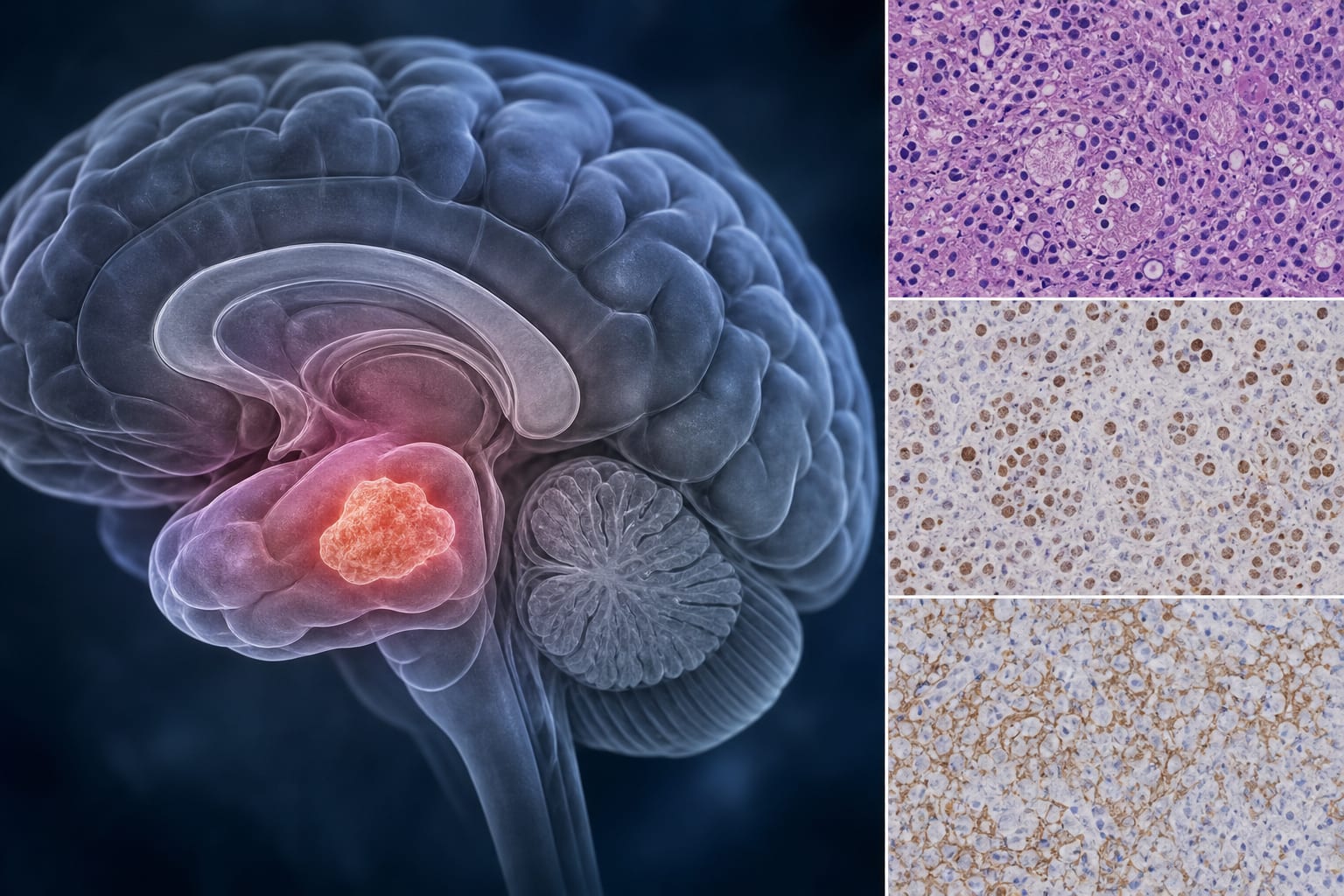
To investigate the role of microglial activation and calcium dysregulation in the pathophysiology of Tuberous Sclerosis Complex (TSC), emphasizing its potential impact on neuroinflammation.
Key Findings:
Identified calcium dysregulation in microglia from TSC brain tissue and patient-derived iMGL cells, suggesting a potential target for therapeutic intervention.
TSC iMGL cells exhibited an altered inflammatory response, elevated mitochondrial respiration, and enhanced phagocytic activity, indicating a hyperactive state.
The microglial state in TSC resembles stage 2 disease-associated microglia (DAM) seen in neurodegenerative diseases, which may inform future research directions.
Interpretation:
The findings suggest that mTOR hyperactivation in TSC leads to dysregulated calcium signaling in microglia, contributing to their hyperactive and metabolically altered state, which may exacerbate neuroinflammation.
Limitations:
The study is based on a limited sample size of TSC patients, which may affect the generalizability of the findings.
Further research is needed to establish causality between calcium dysregulation and TSC pathology, including larger cohort studies.
Conclusion:
Microglial activation and calcium dysregulation may play significant roles in TSC pathophysiology, warranting further investigation into their contributions to neuroinflammation and associated comorbidities, particularly in therapeutic contexts.
by Rozemarijn S. Kalf, Mark J. Luinenburg, Giulia Dematteis, Mirte Scheper, Jasper J. Anink, Giulia Cavallo, Andrea Mattarei, Wim Van Hecke, Angelika Mühlebner, Laura Tapella, James D. Mills, Dmitry Lim, Eleonora Aronica