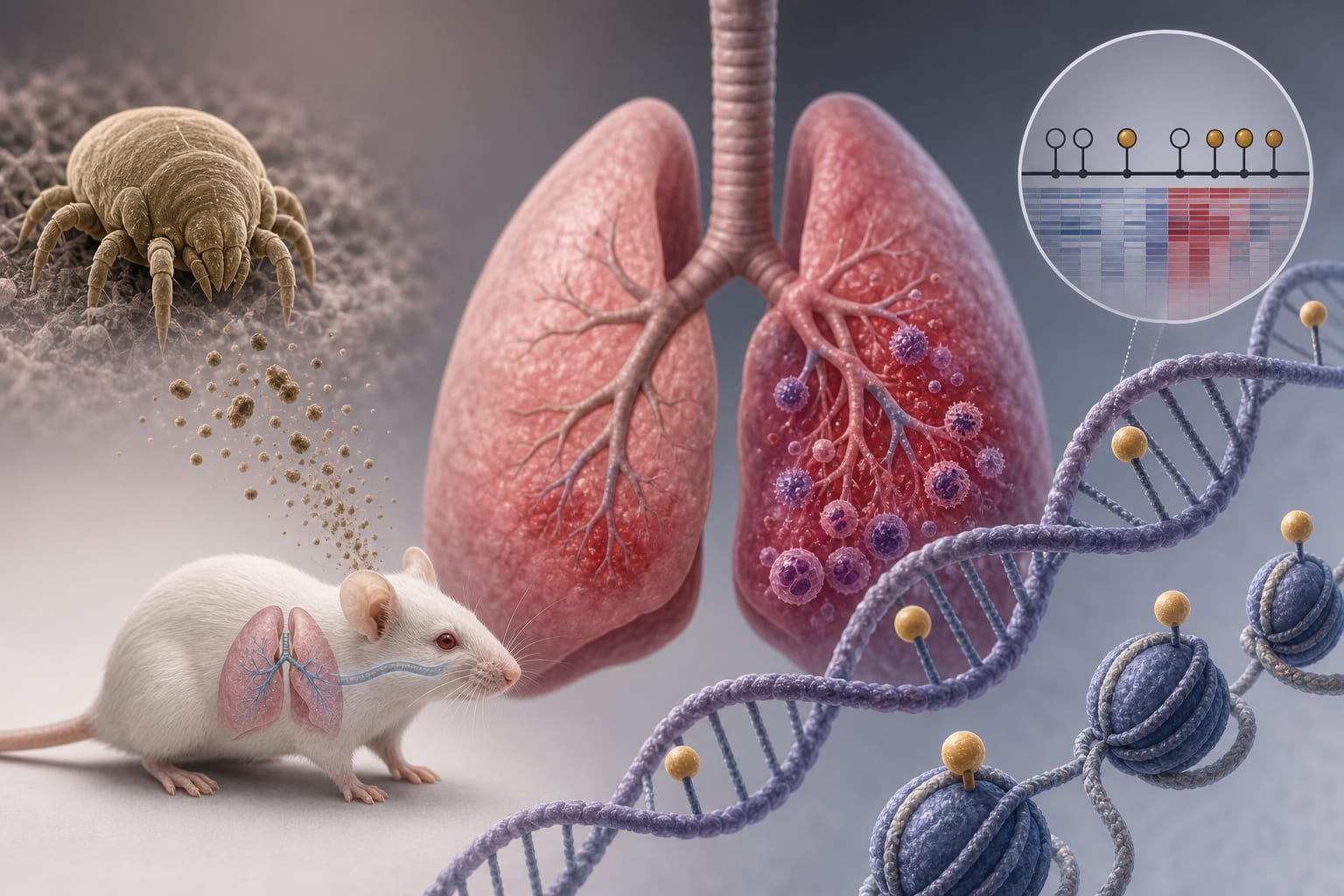
To examine the molecular mechanisms underlying neutrophilic asthma pathogenesis and present a framework for precision identification and therapeutic approaches based on these mechanisms.
Approach:
Molecular Mechanisms: Focus on the Th17/IL-17 axis, neutrophil extracellular traps (NETs), and NLRP3 inflammasome activation.
Precision Identification Framework: Integrate molecular endotypes with clinical phenotypes and biomarker profiles to guide therapeutic decisions.
Key Findings:
Neutrophilic asthma is characterized by glucocorticoid resistance and more severe disease compared to eosinophilic asthma.
The Th17/IL-17 axis is central to neutrophil recruitment and activation.
Neutrophil extracellular traps (NETs) contribute to airway damage and hyperresponsiveness.
Airway microbiome dysbiosis may perpetuate neutrophilic inflammation, but further research is needed to clarify its role.
Interpretation:
Neutrophilic asthma represents a distinct phenotype requiring targeted therapeutic strategies due to its unique pathophysiological mechanisms.
Limitations:
There are currently no approved targeted therapies specifically for neutrophilic asthma.
Further research is needed to fully understand the role of the microbiome in neutrophilic asthma.
Conclusion:
This review outlines the molecular mechanisms of neutrophilic asthma and discusses precision medicine approaches for this challenging phenotype.