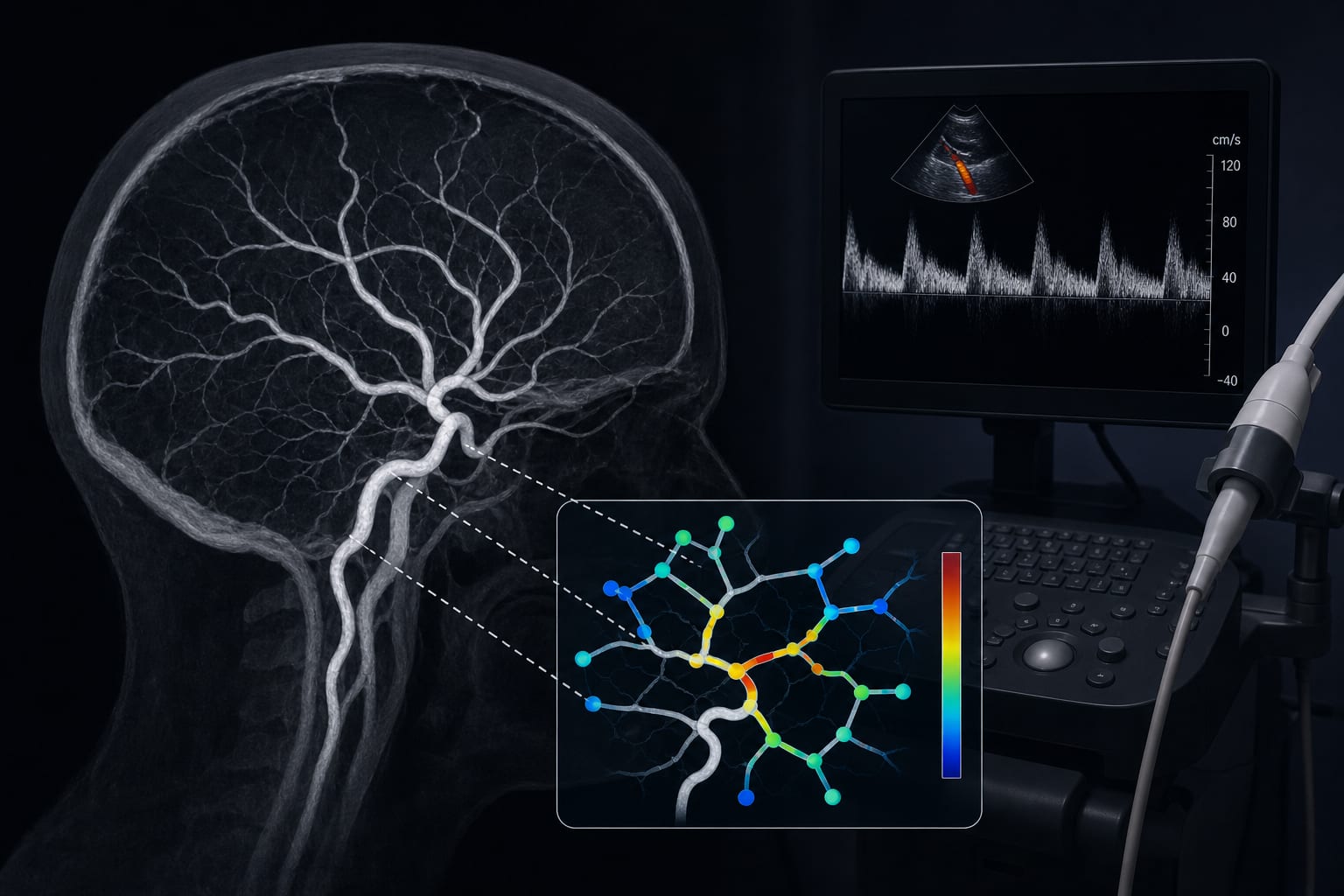
To explore the impact of AI-driven smart sensing and processing technologies on personalized healthcare, focusing on real-time monitoring, intelligent imaging, and multimodal assessments.
Approach:
AI and Edge Computing: Studies demonstrate AI models operating efficiently on edge devices for real-time monitoring and classification, enhancing privacy and reducing latency.
Remote Rehabilitation Assessment: Deep learning applied to consumer-grade webcams enables accessible movement analysis for stroke rehabilitation, lowering barriers to effective assessment.
Intelligent Medical Imaging: AI frameworks enhance polyp detection in colonoscopy, addressing challenges in clinical deployment through uncertainty-aware modeling.
Behavioral Diagnosis: Eye-tracking technology combined with deep learning aids in diagnosing autism spectrum disorder, providing objective screening tools.
Healthcare Context Review: Reviews highlight AI's role in clinical decision-making and public health management, emphasizing the integration of AI in healthcare.
Digital Health Literacy: Emphasizes the importance of user understanding and equitable access for effective AI adoption in healthcare settings.
Research Trends Analysis: Visualization of research hotspots in clinical decision support systems contextualizes AI advancements and identifies future opportunities.
Key Findings:
Edge computing and resource-aware AI are central to scalable healthcare delivery.