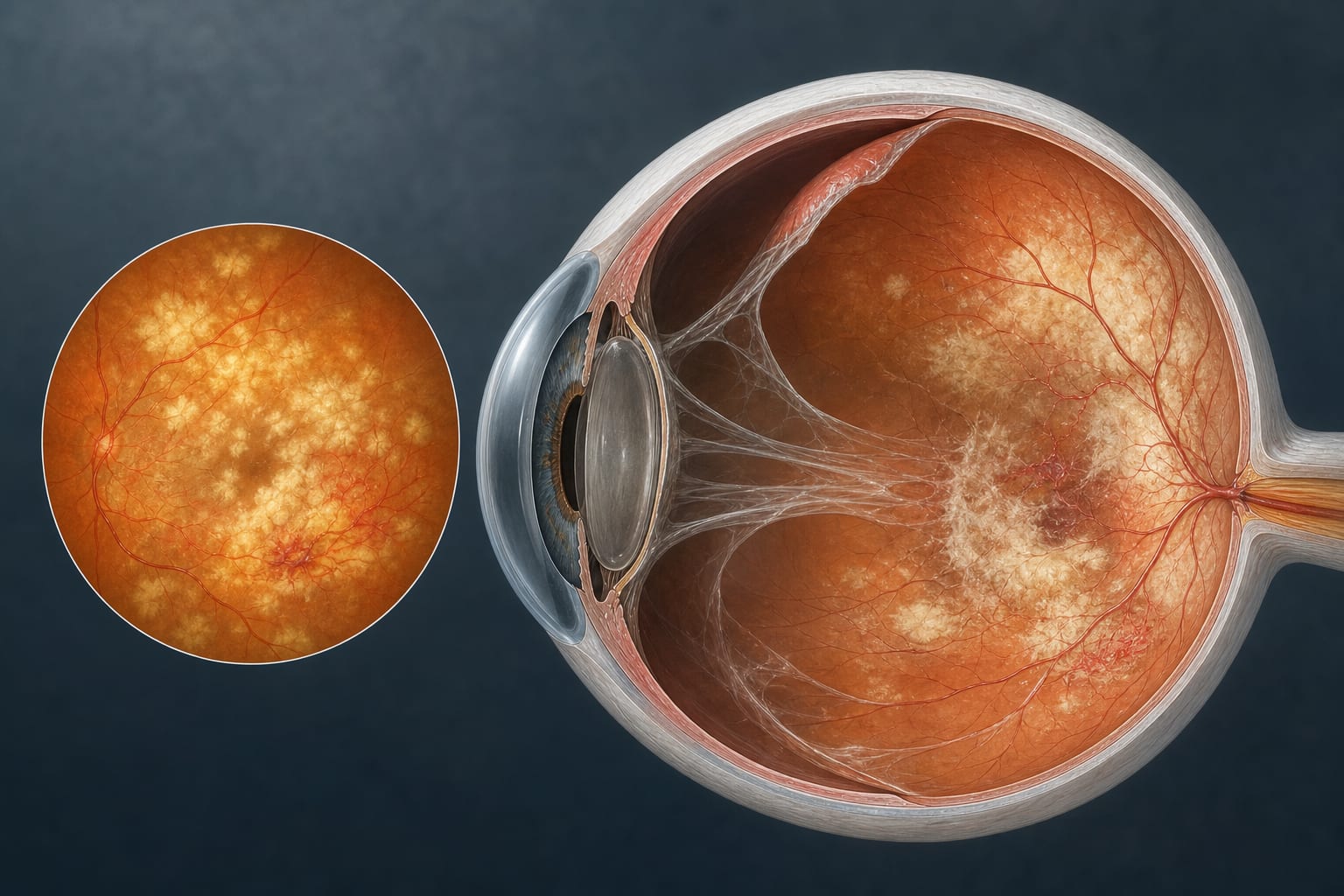
To examine long-term outcomes and potential risk factors for recurrence in patients treated for ocular toxoplasmosis.
Approach:
Study Design: Retrospective analysis of 86 patients treated for ocular toxoplasmosis at the University Hospital of Verona from 1996 to 2023.
Follow-Up: Forty-three patients completed at least 18 months of follow-up, with a median follow-up period of eight years.
Key Findings:
Patients sleeping 6-8 hours per night had a lower risk of disease recurrence.
21 patients experienced at least one recurrence, with a median time to first recurrence of slightly over six years.
Cumulative probability of recurrence reached 58% by seven years.
Major life stressors were associated with increased relapse rates, though not statistically significant.
Pregnancy was linked to a threefold higher risk of recurrence in women post-diagnosis.
No significant associations found with age, sex, ethnicity, smoking, alcohol use, or other traditional risk factors.
Trimethoprim-sulfamethoxazole showed numerically lower recurrence rates compared to pyrimethamine-sulfametopyrazine, but not statistically significant.
Interpretation:
Limitations:
Retrospective design limits causal inferences.
Relatively small cohort size may affect the robustness of findings.