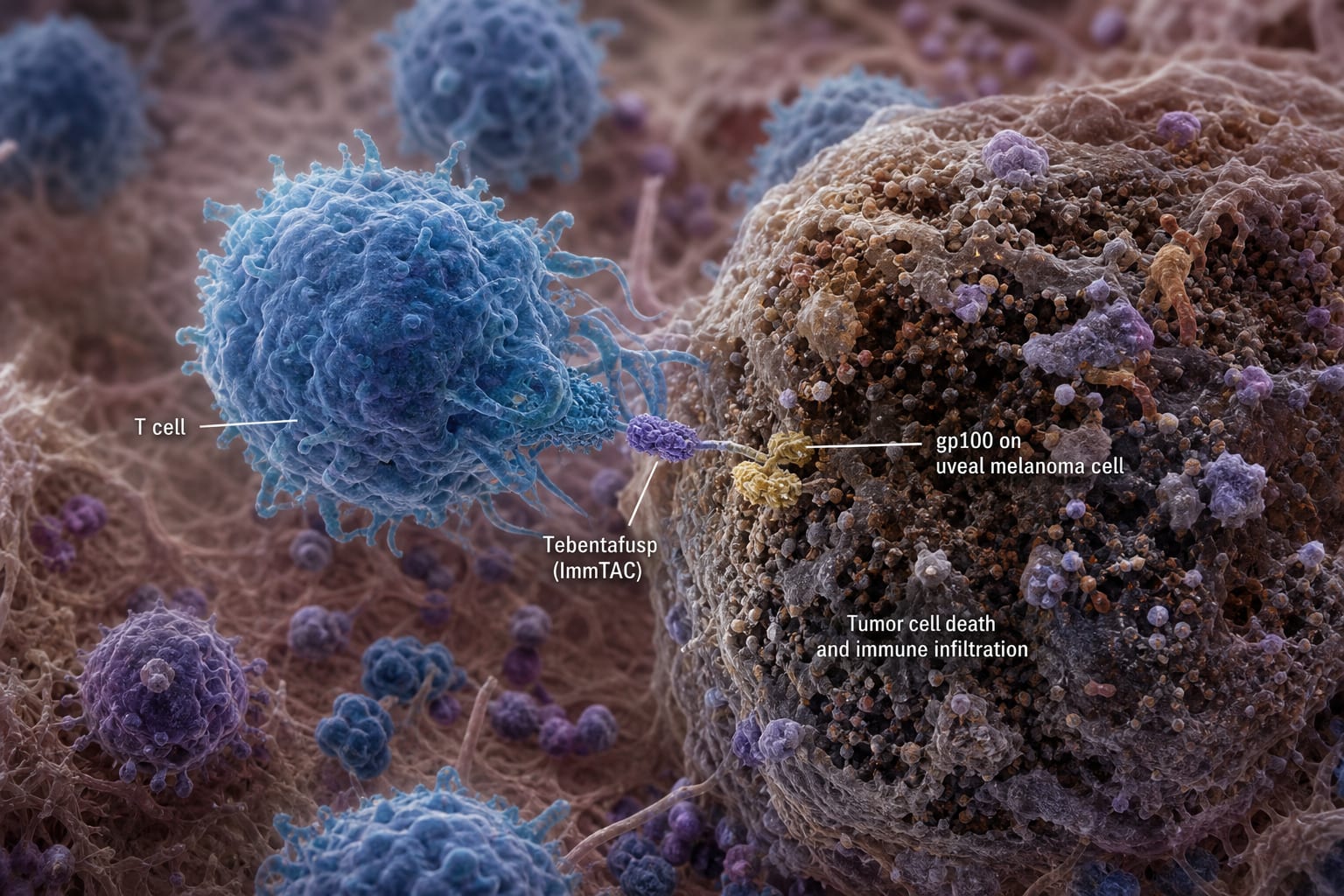
To investigate the mechanisms promoting the development of tertiary lymphoid structures (TLS) in melanoma tumors using a mouse model.
Approach:
Mouse Model: Cxcl13-cre-tdTomato mice were implanted with B16-OVA melanoma tumors in intraperitoneal or subcutaneous locations to analyze CXCL13 expression.
Flow Cytometry: Single cell suspensions from tumors were analyzed to assess the impact of CXCL13+ cancer-associated fibroblasts (CAF) on TLS formation.
Cell Sorting and scRNA-seq: CAF in intraperitoneal melanoma tumors were collected, analyzed for transcript expression, clustered, and profiled using pathway and differential gene analysis.
Key Findings:
CXCL13 was exclusively expressed by a population of cancer-associated fibroblasts (CAF), essential for B cell accumulation in tumors.
The presence of TLS was associated with smaller tumor size, while lack of B cell accumulation correlated with larger tumor size.
Seven groups of CAF were identified in TLS-containing tumors, with one group enriched for CXCL13-expressing cells and other genes promoting B cell recruitment.
Interpretation:
Limitations:
The study is based on a mouse model, which may not fully replicate human tumor biology.
Further research is needed to explore the functional roles of the identified CAF populations in TLS development.
by Robert Barnes, Kara Cummings, Mirna Perusina Lanfranca, Anthony B. Rodriguez, Katarzyna Stasiak, Burkhard Ludewig, Sepideh Dolatshahi, Victor H. Engelhard