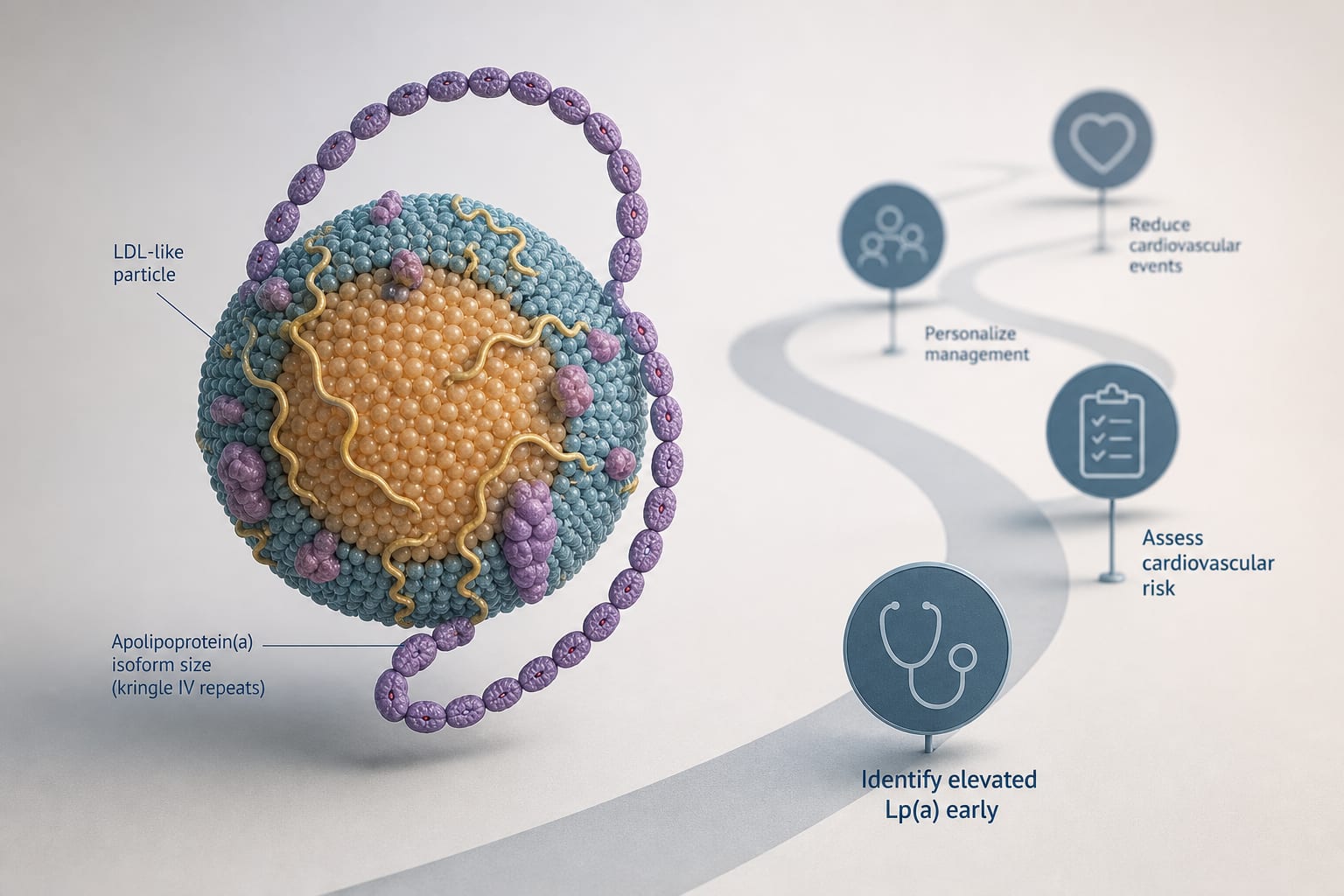
To explore general practitioners’ perspectives and practices on the detection and management of elevated Lipoprotein(a) [Lp(a)], a significant risk factor for cardiovascular disease, and assess the impact of LILAC-for-Lp(a) training on GPs’ confidence in managing Lp(a).
Approach:
Key Findings:
Only two GPs routinely tested for Lp(a) in high cardiovascular risk patients, highlighting a significant gap in practice.
Eight categories emerged under four themes: current context, patient selection for testing, barriers and enablers, and patient acceptance of testing.
Barriers to Lp(a) testing included lack of management pathways, out-of-pocket costs, low public awareness, and knowledge gaps among healthcare providers, indicating a need for systemic changes.
The LILAC-for-Lp(a) educational framework significantly improved GPs' confidence in managing Lp(a) (p < 0.001), suggesting effective training can enhance clinical practice.
Interpretation:
The study highlights significant barriers to the integration of Lp(a) testing in routine practice among GPs, while the educational intervention showed promise in enhancing their confidence, indicating a potential pathway for improving patient care.
Limitations:
Small sample size of focus group participants (n = 18) may limit the generalizability of findings.
Limited generalizability due to the study being conducted in a specific region (Singapore), and potential biases in focus group discussions.
Conclusion:
Barriers to testing and managing Lp(a) among GPs include unclear management pathways and insufficient training, but the LILAC-for-Lp(a) educational framework positively influenced GPs' perspectives, underscoring the need for continued educational efforts.
Children exposed to higher-dose prenatal vitamin D scored modestly higher on verbal and visual memory tests at age 10 years, although overall intelligence and most cognitive measures did not differ significantly.